

Beginner's Guide to Hair Bundles: Achieve Natural Results
Finding the perfect hair extensions can feel overwhelming when every bundle claims to offer softness, shine, and a seamless blend. For women seeking styles that are not just trendy but genuinely natural-looking, understanding your unique hair texture, density, and scalp health makes all the difference. By assessing your own hair and matching it with bundles that honour your natural beauty, you set yourself up for a transformation that feels as good as it looks.
Table of Contents
- Step 1: Assess Your Hair Needs and Desired Look
- Step 2: Select Quality Hair Bundles for Your Style
- Step 3: Prepare Hair and Extensions for Installation
- Step 4: Install Hair Bundles for a Seamless Finish
- Step 5: Maintain and Verify Lasting Softness
Quick Summary
| Essential Insight | Detailed Explanation |
|---|---|
| 1. Assess Your Hair Needs First | Understand your natural hair characteristics and desired results before selecting bundles for a seamless blend. |
| 2. Choose High-Quality Hair Bundles | Look for virgin or raw hair bundles with intact cuticles to ensure longevity and natural appearance. |
| 3. Prepare Your Hair Thoroughly | Cleanse, condition, and detangle your natural hair properly to protect it and promote a successful installation. |
| 4. Select the Right Installation Method | Choose an installation method that aligns with your lifestyle and desired maintenance level for the best results. |
| 5. Maintain Your Bundles Regularly | Use sulfate-free products and detangle carefully to keep your bundles soft, shiny, and healthy throughout their lifespan. |
Step 1: Assess Your Hair Needs and Desired Look
Before you invest in hair bundles, you need to understand what you’re working with. Your natural hair is unique, and the better you know it, the easier it becomes to select bundles that blend seamlessly and look genuinely natural. This step involves examining your current hair situation, identifying what you want to change, and determining which bundle options will serve you best. Think of this as creating a blueprint for your transformation instead of guessing your way to results.
Start by examining your hair’s fundamental characteristics. Look in the mirror and honestly assess your hair quantity (how much volume you have overall), the density (how closely packed your strands are), and your natural hair length. Check your hair’s texture and curl pattern, whether that’s straight, wavy, curly, or coily. Your natural colour matters too because bundles need to either match perfectly or blend intentionally if you’re going for a highlight or balayage effect. Run your fingers through your hair to feel its current condition. Is it dry, silky, or somewhere in between? Does it feel thick and strong, or fragile and prone to breakage? Pay attention to your scalp as well. Is it oily, dry, or balanced? Understanding these details helps you select bundles that won’t overwhelm fine hair or look sparse against thick, dense hair.
Next, take the gentle hair pull test to check your hair’s health. Gently pull a small section of hair (about 20 to 30 strands) between your fingers. Healthy hair loses a few strands, which is completely normal. Excessive shedding or hair coming out easily might indicate stress, nutritional deficiencies, or scalp issues that need attention before adding bundles. Look at your scalp for any inflammation, dryness, flaking, or other unusual conditions. A healthy scalp ensures bundles will sit properly and your natural hair stays protected underneath. If you notice significant problems, consider consulting a dermatologist before proceeding.
Now think about your desired look. What’s driving this decision? Are you adding length, volume, or both? Do you want to maintain your natural texture or experiment with a different one? Maybe you’re interested in 2025’s trending hair extension styles and innovations like invisible wefts or seamless blending techniques. Take time to gather inspiration images, but focus on styles that suit your face shape, lifestyle, and personal aesthetic rather than just copying what works for someone else. Write down your goals in concrete terms like “add 10 inches of length for a full, dramatic look” or “boost volume at my crown without changing my length.”
Use this quick reference to match your hair goals with recommended bundle types:
| Hair Goal | Recommended Texture | Suggested Weight |
|---|---|---|
| Add volume | Matches natural texture | 100–120 grammes |
| Add length | Slightly wavy or straight | 120–160 grammes |
| Dramatic change | Curly or coily | 150–200 grammes |
Consider your lifestyle too. If you’re active, swimming frequently, or prefer low maintenance styles, your bundle choice differs from someone who styles their hair daily. Think about how much time you’re willing to spend on maintenance, whether you can commit to regular moisturising routines, and if you need bundles that can withstand heat styling. Your lifestyle dictates not just which bundles you choose, but how well they’ll work for you long term. Someone who swims three times weekly needs different care considerations than someone who rarely exposes their hair to chlorine or salt water.
Pro tip: Create a simple chart with your hair characteristics (length, density, colour, texture) and your desired outcome on one side, then bring it with you when selecting bundles so you can match them accurately instead of relying on memory or guessing in the moment.
Step 2: Select Quality Hair Bundles for Your Style
Now that you understand your hair’s needs and your desired outcome, it’s time to choose bundles that will actually deliver results. Quality matters enormously here because poor-quality bundles can tangle, break, look synthetic, or damage your natural hair underneath. This step is about learning what separates premium bundles from mediocre ones and matching them to your specific style goals.
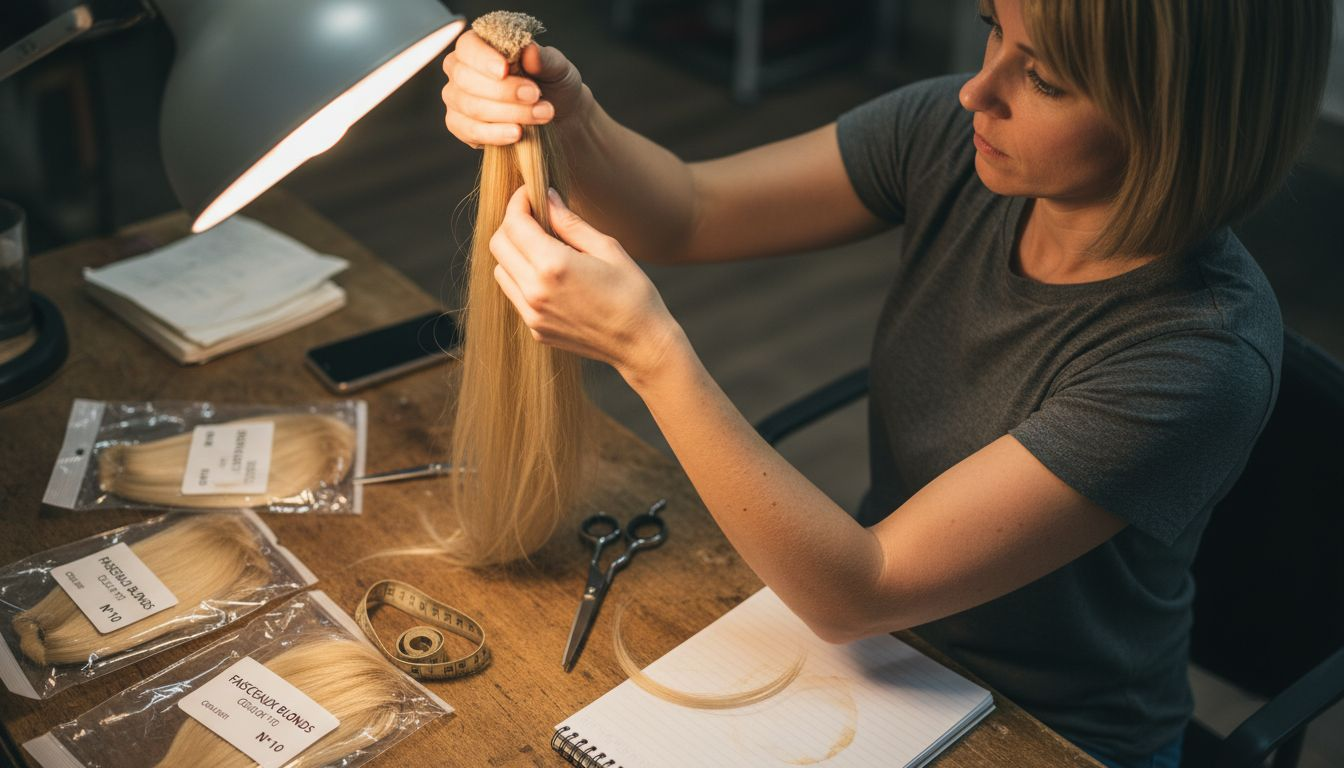
The foundation of quality starts with understanding where your bundles come from and how they’re processed. Premium human hair typically originates from countries like India, Vietnam, or China, but the sourcing and processing methods differ dramatically between suppliers. Look for bundles described as virgin or raw hair, which means the hair hasn’t been chemically processed, bleached, or colour-treated. These bundles retain their natural strength and shine far longer than processed alternatives. When examining bundles, check that the cuticles are intact and oriented in the same direction. This matters because aligned cuticles dramatically reduce tangling, ensure the hair flows naturally, and extend the lifespan of your extensions significantly. Hair with misaligned cuticles will mat, tangle, and frustrate you within weeks. Run your fingers along the hair in one direction, then the opposite direction. If it feels smooth one way and rough the other, the cuticles are aligned properly. If it feels rough both ways or catches and pulls, walk away.
Texture matching is your next critical decision. Your bundles should either perfectly match your natural hair texture or intentionally complement your desired look. If you have naturally wavy hair and choose straight bundles, the blend becomes obvious and breaks the natural appearance. Conversely, if you’re going for a textured, voluminous look, selecting bundles that embrace natural curl patterns works beautifully and actually makes styling easier. Your texture choice influences how much maintenance you’ll do long term. Curly and wavy bundles typically need more moisture and detangling care but offer incredible styling versatility. Straight bundles are more low maintenance but require precision placement to look natural. Consider whether you want virgin wavy bundles for subtle dimension or curly options if you prefer bold texture and volume.
Weight and density are equally important but often overlooked. Bundles come in different weights, typically ranging from 100 grammes to 200 grammes per bundle. Finer hair types usually need lighter bundles (100 to 120 grammes) to avoid overwhelming your natural hair and creating an unnatural appearance. Thicker, coarser hair can handle heavier bundles (150 to 200 grammes) without looking bulky. If you’re adding just one or two bundles for subtle enhancement, lighter weight works better. If you’re doing a full head transformation with four or more bundles, medium weight distributes more naturally across your scalp. The density refers to how tightly packed the hair strands are. Look for consistent density throughout each bundle because thin spots create obvious gaps when installed.
Colour matching requires honest lighting and careful comparison. Bring your natural hair sample when shopping, or if ordering online, compare in natural daylight rather than artificial lighting. Hair colour photographs differently under different lighting conditions, so what looks perfect indoors might clash in sunlight. If you’re adding highlights or ombré effects intentionally, that’s different, but for seamless blending, the colour match must be precise. Check whether your supplier offers colour variations or if you need to order from their standard range. Premium suppliers typically offer multiple shades within colour families like natural black, dark brown, or medium brown to accommodate the natural variation in your hair.
Percentage of human hair is non-negotiable for this guide. Ensure your bundles are 100 percent human hair, not synthetic blends or partially synthetic. Synthetic hair doesn’t blend with human hair, feels different, and can’t be heat-styled or processed. It also tends to look artificial no matter how carefully you install it. Check product descriptions carefully because some suppliers use terminology that obscures this crucial detail.
Professional tip: Order samples or request detailed photos from multiple angles before committing to a full purchase, and compare bundles side by side in natural lighting to ensure the texture, colour, and density work together seamlessly for your specific hair type and desired style.
Step 3: Prepare Hair and Extensions for Installation
The difference between bundles that look amazing for months and those that disappoint you within weeks often comes down to preparation. Getting this step right protects your natural hair, ensures your bundles blend seamlessly, and extends the lifespan of your entire investment. Think of preparation as laying the foundation for a successful installation that looks natural and feels comfortable.
Start by giving your natural hair a thorough cleanse. Shampoo your hair to remove product buildup, oils, and dirt that accumulate on your scalp and strands. Use a clarifying shampoo if you’ve been using heavy styling products or if your hair hasn’t been thoroughly cleaned in a while. Product buildup prevents bundles from sitting properly and creates a barrier that keeps moisture from reaching your natural hair during wear. After shampooing, condition generously. This is not the time to skimp on conditioning because conditioning strengthens your hair fibre and increases elasticity, which reduces friction during installation and helps your natural hair withstand the tension of being braided or sewn. Healthy, moisturised hair is stronger hair, and strong hair handles the stress of extensions far better than dry, brittle hair. Leave the conditioner on for at least five to ten minutes, or use a deep conditioning treatment if you have time. Pay special attention to the ends of your hair, which tend to be drier and more fragile. Rinse thoroughly with cool water to seal the hair cuticles and lock in moisture.
Once your hair is clean and conditioned, detangle it completely. Use a wide tooth comb or detangling brush to work through any knots or snarls, starting at the ends and working your way up to the roots. This might take time, especially if you have longer hair or textured hair, but rushing this step causes breakage. Wet hair is more delicate than dry hair, so be patient and gentle. After detangling while wet, allow your hair to air dry completely or blow dry it on a low heat setting if you’re pressed for time. Avoid using high heat because you want to keep your natural hair as healthy as possible before adding extensions.
Examine your scalp carefully before installation day. Look for any signs of inflammation, scaling, flaking, dryness, or unusual conditions. If you notice anything concerning, address it first. Scalp health directly impacts how well bundles will install and how comfortable they feel. A healthy, balanced scalp means bundles will lie smoothly against your head without irritation. If you have dandruff or scalp dryness, use a gentle scalp treatment for a few days before installation to calm any inflammation. Avoid scratching or picking at your scalp, which can create small wounds that become uncomfortable or infected once bundles are in place.
Protect your edges and hairline before installation begins. Apply water-based styling gels along your hairline and edges to create a smooth base for braids and to protect these delicate areas from tension. Avoid petroleum-based products, which trap moisture underneath and can cause irritation. Make sure your edges are moisturised but not dripping wet. You want your hair to be damp, not soaking, when your braids are created. Soaking wet hair takes forever to dry under installed bundles and can develop mildew or mould.
Prepare your extension bundles as well. Lay them out and inspect each bundle one final time before installation. Check that they match the colour and texture you expected. If you ordered multiple bundles from different batches, blend them together in your mind before installation so any minor variations blend naturally across your head rather than creating obvious lines.
Consider having your installation done by a professional if this is your first time. Professional stylists understand tension, placement, and the nuances of making bundles look natural while protecting your hair. They also know how to avoid styles that are too tight, which can cause traction alopecia and permanent hair loss over time.
Insider tip: Prepare your hair the night before installation rather than the morning of, as freshly washed and deeply conditioned hair absorbs moisture throughout the day and becomes the ideal texture for braiding and blending with bundles.
Step 4: Install Hair Bundles for a Seamless Finish
Installation is where your preparation meets reality. This step determines whether your bundles look naturally integrated or obviously added on. A seamless finish requires attention to detail, proper technique, and understanding the different installation methods available. Whether you’re working with a professional or doing this yourself, knowing what makes installation successful transforms the entire outcome.
The first decision involves choosing your installation method. Sew in is the most popular option for durability and natural blending. This method involves creating cornrows or braids on your natural hair, then hand-stitching bundles directly onto these braids using a curved needle and thread. Sew in installations last anywhere from six to twelve weeks, depending on how well you maintain them and how much your natural hair grows. Clip in bundles offer a temporary, no commitment option perfect for beginners or special occasions, though they require daily application and removal. Fusion bonding uses adhesive to attach bundles directly to small sections of natural hair, offering a semi permanent result that lasts several weeks. Each method has tradeoffs between longevity, damage risk, and aesthetic outcome.
Here’s a comparison of common hair bundle installation methods to help you choose what suits your needs best:
| Installation Method | Longevity | Damage Risk | Maintenance Level |
|---|---|---|---|
| Sew in | 6–12 weeks | Low if done professionally | Medium; regular washing needed |
| Clip in | 1 day | Very low | Low; daily application/removal |
| Fusion bonding | Several weeks | Medium; adhesive contact | High; requires special care |
If you’re choosing sew in, the braiding foundation is everything. Your braids should be tight enough to hold bundles securely but not so tight they create tension that damages your hairline or causes discomfort. The goal is to create a grid pattern across your scalp that distributes the weight of bundles evenly. Braids typically run from the nape of your neck toward your crown, spaced about half an inch to one inch apart depending on your desired bundle placement and the amount of coverage you want. Loose braids slip and let bundles move around; overly tight braids cause traction and pain. This is why many first time installers benefit from professional assistance. After braids are complete, lay your bundles on top to visualise placement before you start sewing.
When you’re ready to sew, start at the nape of your neck and work upward. Use a curved needle and thread that matches your bundle colour. Anchor your thread securely at the base of each braid, then sew the weft of your bundle (the thick, reinforced edge) to the braid using a whip stitch or ladder stitch. Space your stitches about a quarter inch apart for security without creating visible holes. The goal is to make your stitching invisible once the bundle is in place. Sew along the entire length of the weft, then knot off securely before moving to the next bundle. Take your time here because rushed stitching creates loose sections that unravel.
Proper hair attachment methods minimise stress on follicles and ensure your natural hair stays healthy throughout wear. Avoid methods that feel uncomfortably tight or that pull on your hairline. Your scalp should feel comfortable, not tingly or tender. If you experience pain during or immediately after installation, something is too tight and needs adjustment. Pain now translates to hair loss later.
Blending is what separates professional looking installations from obvious ones. Your natural hair direction and density should match your bundle placement to create visual continuity. Leave a small section of your natural hair out at your hairline to frame your face and hide the seam where bundles begin. This act is called a leave out, and it’s crucial for achieving a natural appearance. Style your leave out hair to blend with the bundles underneath. If your bundles are straight and your leave out is curly, blow dry your leave out straight for consistency. If your bundles are wavy, curl your leave out to match. This detail separates mediocre installations from stunning ones.
After installation is complete, wash your bundles gently with sulfate-free shampoo and deep condition to help them meld with your natural hair. Let them dry completely before styling. The first few days, your scalp will feel sensitive and your bundles might feel stiff. This is normal. As your natural hair adjusts and your scalp acclimates, everything feels better and more natural.
Expert advice: Start with clip in bundles or a professional sew in installation for your first experience so you understand what natural blending actually looks like and feels like before attempting a DIY installation yourself.
Step 5: Maintain and Verify Lasting Softness
Your bundles will only stay as soft and beautiful as the care you invest in them. Softness isn’t something that just happens—it’s the result of deliberate maintenance choices that protect fibre integrity and prevent the buildup and dryness that dull your hair over time. This step ensures your investment remains silky, smooth, and touchable throughout the entire wear cycle and beyond.
Start your maintenance routine with the right products. Use only sulfate-free shampoos and moisturising conditioners specifically formulated for treated or extension hair. Sulfates strip moisture from hair fibers, leaving them dry and prone to breakage. Regular drugstore shampoos designed for everyday use can cause buildup on your bundles, making them feel stiff and look dull. When you wash, use lukewarm water rather than hot water, which opens the hair cuticle and allows moisture to escape. Work shampoo through your bundles gently, never scrubbing or creating friction that causes tangling. Rinse thoroughly until water runs completely clear because any residual product buildup diminishes softness and creates a filmy coating that dulls shine.

Conditioning is where the magic happens. After shampooing, apply a rich conditioner from mid-length to the ends of your bundles, and leave it on for five to ten minutes before rinsing. Once weekly, use a deep conditioning treatment instead of regular conditioner. These intensive treatments align hair fibres and modify internal structures in ways that improve softness and elasticity without creating heavy buildup. Some people leave deep conditioning treatments on for thirty minutes or even overnight for maximum benefit. When you remove your bundles for maintenance or reinstallation, give them an extra thorough deep conditioning session to restore moisture lost during wear. This keeps them feeling luxurious even after weeks of styling.
Minimise heat exposure whenever possible. While you can use heat tools on quality human hair bundles, excessive heat damages the hair shaft and causes dryness. When you do use heat, always apply a heat protectant spray first. Air drying is always your first choice because it removes mechanical stress and heat damage simultaneously. If you blow dry, use a low or medium heat setting and keep the dryer moving to avoid concentrating heat in one spot. Avoid using flat irons or curling irons more than once or twice weekly, and never use them on wet hair.
Detangle your bundles gently and strategically. Use a wide tooth comb or a detangling brush, never a fine tooth comb that catches and breaks hair. Start at the ends and work upward to the roots, supporting the hair from below as you comb to avoid yanking from the weft. This takes patience but prevents mechanical damage that compromises softness. When your bundles are installed, try to minimise how often you handle them. Excessive manipulation, even gentle manipulation, creates friction that causes tangling and matting.
Protect your bundles from environmental damage. Chlorine, salt water, and pollution all accumulate on your hair and cause dryness and dullness. Before swimming, wet your bundles with fresh water and apply a leave in conditioner. This creates a barrier that prevents chlorine and salt from penetrating the hair shaft. Wear a swim cap if possible. After exposure to chlorine or salt water, rinse immediately and deep condition that same day. Pollution from city living and vehicle emissions also accumulates over time, so regular clarifying treatments once monthly help remove buildup that dulls your bundles.
Verify softness regularly by touch. Run your fingers through your bundles regularly to assess their condition. They should feel smooth and slippery, not rough or straw-like. If they start feeling drier or coarser, increase conditioning frequency immediately. Don’t wait until they’re severely damaged. Catching dryness early means you can restore softness relatively quickly. Healthy scalp care matters too because a clean, balanced scalp means your installed bundles sit in a healthy environment that promotes longevity and maintains that coveted softness.
Maintenance secret: Rinse your bundles with cool water as a final step after conditioning to seal the hair cuticles, which locks in moisture and dramatically enhances shine and softness that lasts longer between maintenance sessions.
Elevate Your Hair Bundle Experience with Premium Virgin Hair
Choosing the right hair bundles to achieve natural, seamless results can feel overwhelming at first. You want bundles that perfectly match your texture, colour, and density without sacrificing softness or longevity. At Gaurash Hair, we understand these challenges deeply. That is why we offer only 100 percent raw and virgin human hair bundles sourced ethically from India. Our meticulously crafted collections ensure the cuticles are intact and aligned for minimal tangling and effortless blending — the very qualities essential for beginners aiming for that flawless and natural look.

Discover your ideal match today by exploring our exclusive range of Virgin Human Hair Bundles | Virgin Hair Bundle | Gaurash Beauty Supply. Whether you seek subtle volume, dramatic length, or texture variations, our bundles give you the versatility and durability your style demands. Take advantage of our 3 Bundle Deals – Gaurash Beauty Supply for added value and fast global shipping. Don’t wait to transform your hair with confidence and softness that lasts through every styling and washing session. Visit Gaurash Hair now and start your journey to beautiful, natural hair enhancements today.
Frequently Asked Questions
How do I assess my hair needs before choosing hair bundles?
Before selecting hair bundles, honestly evaluate your natural hair’s volume, density, length, texture, and condition. Take a moment to run your fingers through your hair and consider performing a gentle hair pull test to check for excessive shedding. This way, you can determine the type of bundles that will suit you best and create a seamless look.
What should I look for when selecting quality hair bundles?
Focus on bundles made from 100 percent human hair that is virgin or raw, meaning it’s not chemically processed. Check that the cuticles are aligned in the same direction to avoid tangling and ensure longevity. This helps guarantee that your bundles maintain their strength and natural flow over time.
How can I prepare my hair for the installation of bundles?
Start by thoroughly cleansing and conditioning your natural hair to remove any buildup and enhance moisture retention. Detangle your hair gently, then allow it to dry completely before installation. Taking the time to prepare your hair properly will set the stage for a comfortable and natural-looking installation.
What are the best installation methods for hair bundles?
Common installation methods include sew-in, clip-in, and fusion bonding. The sew-in method, which lasts about 6 to 12 weeks, is popular for its durability and natural blending. Choose the method that aligns with your lifestyle and desired maintenance level to achieve the best results.
How do I maintain my hair bundles for lasting softness?
Use sulfate-free shampoos and moisturising conditioners specifically designed for treated hair to maintain softness. Make a habit of deep conditioning your bundles at least once a week, and minimize heat exposure whenever possible. This regular maintenance not only enhances softness but also extends the lifespan of your hair bundles, ensuring they look great for as long as you wear them.
Can I blend my natural hair with the bundles for a more cohesive look?
Absolutely! To achieve a seamless finish, leave out a small section of your natural hair at the hairline to frame your face. Style this section to match the bundles, whether by curling or straightening, which helps create visual harmony and makes the installation look more natural.
Recommended
- Virgin Wavy Human Hair Bundle: Natural Black/Brown, Ethically Sourced – Gaurash Beauty Supply
- Indian Virgin Curly Human Hair Bundles: Natural Sew-In Extensions – Gaurash Beauty Supply
- Virgin Indian Curly Bulk Hair: Raw Natural Braiding Hair – Gaurash Beauty Supply
- 3 Bundle Deal – Indian Virgin Curly Human Hair Bundles | 100% Human Ha – Gaurash Beauty Supply
- Achieve Sleek Hair with Natural Hair Straightening Treatment | MyHair