

Hair Extension Longevity: Key Factors and Success
Finding hair extensions that actually last without sacrificing the natural beauty of your textured hair can feel like an endless challenge. Myths about permanent damage or one-size-fits-all durability only make your decisions tougher. Understanding that hair extension longevity depends on factors like quality, application method, and daily care empowers you to sidestep common mistakes and make the most of your look. This guide uncovers the real truths and proven practices so you can enjoy flawless, long-lasting results.
Table of Contents
- Defining Hair Extension Longevity And Myths
- Different Extension Types And Average Lifespans
- Core Factors Impacting Hair Extension Durability
- Care Routines For Prolonging Extensions
- Common Risks And Mistakes Shortening Lifespan
Key Takeaways
| Point | Details |
|---|---|
| Hair Extension Longevity is Relative | Extensions typically last 6 to 12 months depending on factors like quality and maintenance. Understanding this helps set realistic expectations. |
| Maintenance is Crucial | Proper care routines are essential for prolonging the life of extensions and preventing damage. Regular salon visits and gentle handling are key. |
| Quality Over Cost | Investing in high-quality, unprocessed hair significantly enhances durability and performance of extensions compared to cheaper alternatives. |
| Avoid Common Myths | Many misconceptions about extensions can lead to poor care decisions; proactive education is vital to maintain both extensions and natural hair health. |
Defining Hair Extension Longevity and Myths
Hair extension longevity refers to how long your extensions maintain quality, appearance, and wearability. This isn’t just about the lifespan of the hair itself, but how well it holds texture, shine, and strength through consistent wear and care.
Most people confuse durability with permanence. Your extensions won’t last forever, and that’s completely normal. The goal is maximising the months you get from them through smart maintenance and realistic expectations.
What Longevity Actually Means
Longevity breaks down into two distinct areas:
- Physical durability: How well the hair resists breakage, tangling, and shedding during daily wear
- Aesthetic longevity: How long the extensions maintain their colour, texture, and blended appearance
When you invest in quality raw human hair, you’re paying for better performance across both categories. The hair itself behaves more like your natural strands, making it easier to style, blend, and maintain.
Real human hair extensions typically last 6 to 12 months with proper care, depending on application method and maintenance routine.
Common Myths That Get in the Way
Misconceptions about hair extensions can lead to poor care decisions and premature damage. Let’s address the biggest ones:
Myth: Extensions will damage your natural hair permanently
This is outdated thinking. Research on hair longevity and care practices shows that modern extensions, when professionally applied and properly maintained, do not inhibit natural hair growth cycles. The key word here is “properly.” Poor installation techniques or neglectful care can cause breakage, but that’s avoidable.
Myth: All hair extensions last the same amount of time
Not even close. Quality matters enormously. Virgin, unprocessed hair lasts significantly longer than heavily treated alternatives because it hasn’t been stripped of its protective cuticle layer. This is why choosing hair from reliable sources—like 100% raw and virgin hair—makes a measurable difference in how long your extensions serve you.
Myth: You can’t wear extensions while your hair grows
You absolutely can. In fact, proper extension care supports healthy hair growth by protecting your natural strands from daily manipulation and heat styling. Extensions give your hair a break while you enjoy length and volume.
Myth: Extensions need minimal effort to last
This one hurts wallets. Longevity requires active maintenance. Shampooing correctly, conditioning regularly, avoiding tangling, and protecting hair during sleep all directly impact how long your extensions look and perform.
What Actually Determines Longevity
Multiple factors work together:
- Source and quality of the hair itself
- Application method (tape-in, sew-in, clip-in, etc.)
- How frequently you wear them
- Your daily care routine and styling habits
- Scalp and natural hair health
- Environmental factors like humidity and heat exposure
Think of it like a car: the vehicle quality matters, but so do oil changes, proper driving, and regular maintenance. Skip one element and longevity suffers.
Pro tip: Start tracking how your specific extensions perform from day one. Note when shedding increases or texture changes so you understand your extensions’ actual lifespan and can make better choices next time.
Different Extension Types and Average Lifespans
Not all extensions are created equal. Each application method has its own timeline, maintenance demands, and cost-to-longevity ratio. Understanding what you’re signing up for prevents frustration and helps you choose the right method for your lifestyle.
The type you select directly impacts how long your investment lasts and how much effort you’ll invest in upkeep. Some methods require professional reapplication every few weeks; others can be refreshed at home.
Comparing Lifespan by Application Method
Here’s how different hair extension types perform in terms of actual wearable longevity:
Clip-in extensions are the most temporary option. They last 6 to 12 months with occasional use and proper care, though this timeline depends entirely on how often you wear them. Remove them nightly and they can stretch beyond a year.
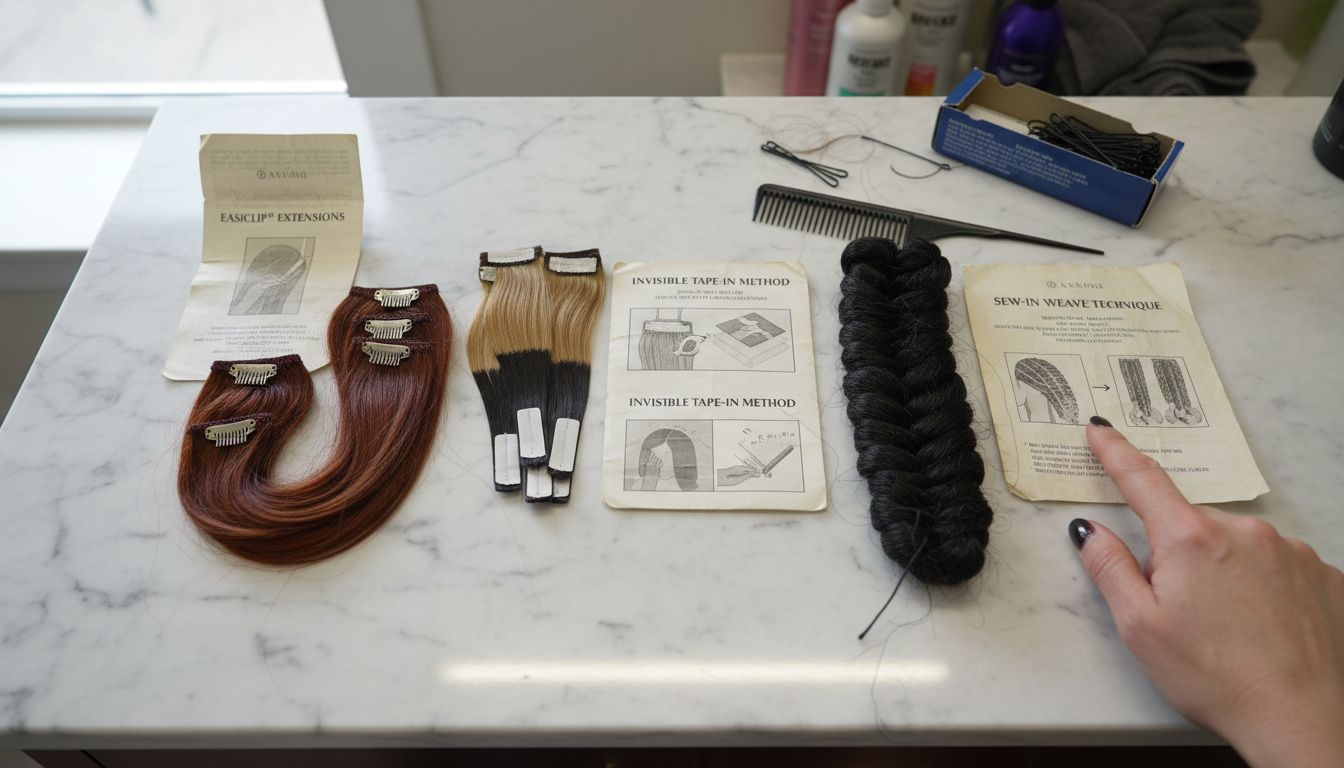
Tape-in extensions require reapplication every 4 to 8 weeks as your natural hair grows and the tape loses grip. The good news: the hair itself can be reused for up to a year if you treat it well during removal and reapplication.
Sew-in or weave extensions last 6 to 12 weeks before needing professional adjustment or reinstallation. They’re labour-intensive upfront but offer seamless blending if installed correctly.
Micro-ring extensions hold for 2 to 3 months before rings slip down as your hair grows. Nano-rings last slightly longer at 3 to 4 months due to their smaller size and tighter grip.
Fusion or bonded extensions typically last 3 to 6 months. The bonded connections gradually weaken as your hair grows and shifts, so timeline depends on how quickly your natural hair grows.
To help you choose the ideal hair extension method, here’s a comparison of application types and their unique maintenance demands:
| Extension Type | Reapplication Frequency | Maintenance Level | Approximate Lifespan |
|---|---|---|---|
| Clip-in | Daily removal | Low, at-home | 6–12 months |
| Tape-in | Every 4–8 weeks | Moderate, professional | Up to 1 year |
| Sew-in/Weave | Every 6–12 weeks | High, professional | 6–12 weeks |
| Micro-ring/Nano | 2–4 months | Moderate, professional | 2–4 months |
| Fusion/Bonded | 3–6 months | High, professional | 3–6 months |
Clip-ins offer the longest potential lifespan but require daily removal; tape-ins balance durability with reusability; semi-permanent methods demand professional maintenance every 6 to 12 weeks.
What Affects These Timelines
The numbers above assume solid care habits. Reality varies based on:
- Your hair growth rate (faster growth = sooner adjustments needed)
- How gently you handle extensions during washing and styling
- Whether you use heat styling tools and how often
- Sleep habits (rough pillows cause tangling and breakage)
- Product choices (avoiding oil-based products extends tape adhesion)
- Scalp health and how clean you keep your natural roots
Someone with slow growth and meticulous care might stretch tape-in longevity closer to 10 weeks. Someone with rapid growth and casual care habits might need reapplication at week 4.
Pro tip: Choose your extension method based on how often you’re willing to maintain them, not just initial cost. A more expensive semi-permanent option might actually cost less per month if it requires fewer professional appointments than cheaper methods.
Core Factors Impacting Hair Extension Durability
Durability isn’t random. It’s the direct result of specific factors working together—some within your control, some determined before you even purchase. Knowing which factors matter most helps you make smarter choices and extend your extensions’ lifespan significantly.
Think of extension longevity like a chain: it’s only as strong as the weakest link. Ignore one factor and it undermines everything else.
Hair Quality: The Foundation
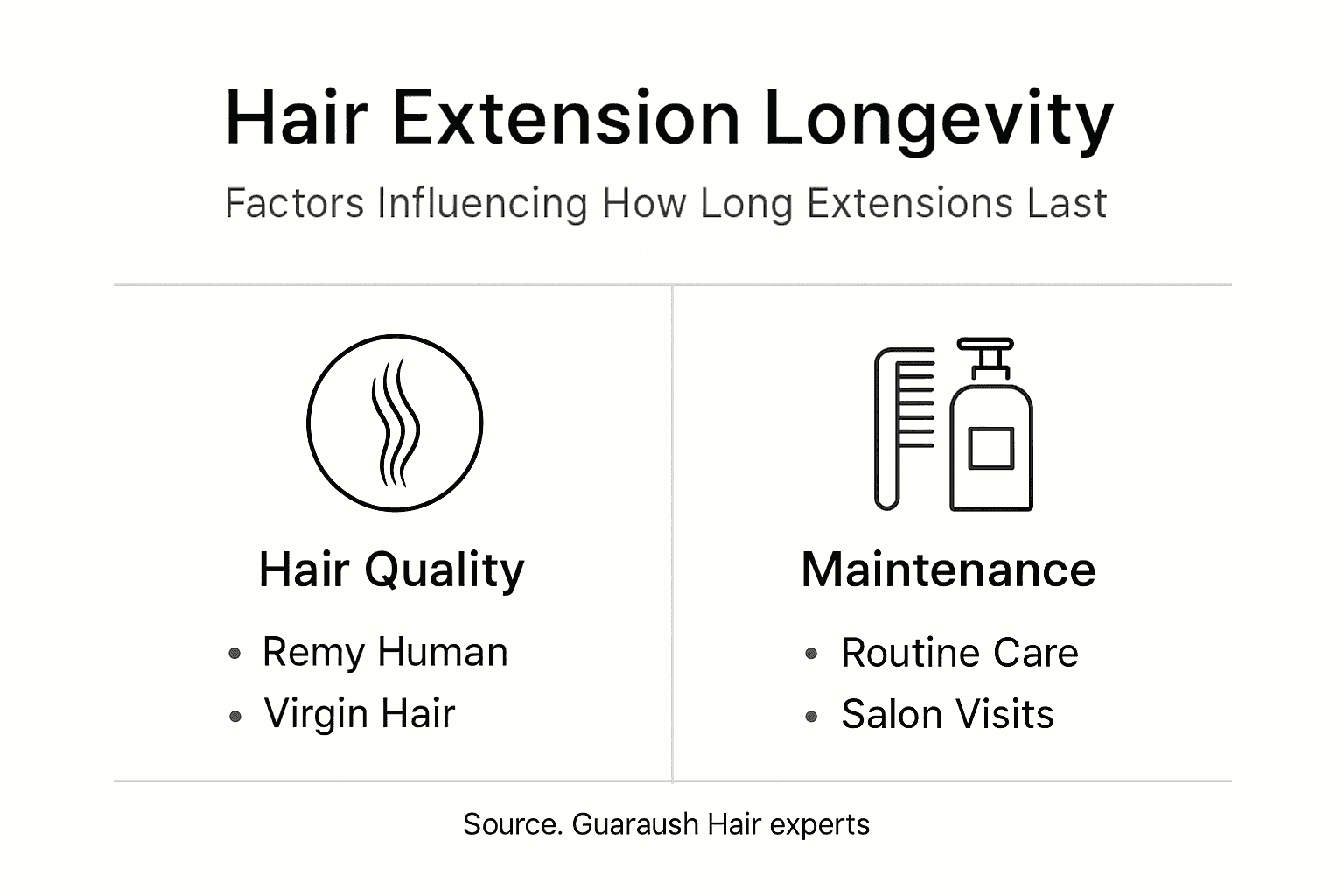
High-quality human hair is non-negotiable for longevity. Not all human hair is created equal. Remy hair—where the cuticle layer remains intact and aligned—resists tangling and breakage far better than non-Remy alternatives.
Virgin, unprocessed hair lasts longest because it hasn’t been chemically altered. The protective cuticle layer is still intact, allowing the hair to retain moisture and flexibility. When you choose hair extensions for a natural look, prioritise source and processing history.
Raw Indian hair is prized for durability because it’s sourced responsibly and minimally processed. This means stronger, longer-lasting extensions from day one.
Installation Method Matters
Professional installation significantly reduces damage risk. Poor application puts pressure on your natural hair and weakens the bond between extensions and roots.
Correct installation distributes weight evenly, protects your hairline, and ensures extensions sit properly as your hair grows. DIY application often leads to uneven tension and premature breakage.
Semi-permanent methods require precision. Even slight installation errors compound over weeks, causing extensions to slip and pull on your natural hair.
Maintenance Routines That Extend Life
Your daily habits determine whether extensions reach their theoretical lifespan. The physical properties of hair fibres—tensile strength and elasticity—respond directly to how you treat them.
Core maintenance practices include:
- Gentle washing with extension-safe products (sulphate-free, gentle formulas)
- Conditioning regularly to maintain moisture balance
- Avoiding oil-based products near tape or bonds
- Sleeping on silk pillowcases to reduce friction
- Minimising heat styling or using heat protectant sprays
- Regular salon visits for adjustments and professional care
Extensions fail fastest when exposed to excessive mechanical stress, heat damage, and moisture imbalance—all preventable with consistent care.
Your Natural Hair and Scalp Health
Extensions are only as healthy as the hair they’re attached to. A clean, healthy scalp prevents buildup that loosens bonds and promotes breakage.
Fast hair growth can shorten reapplication timelines. Poor scalp condition accelerates deterioration. Both factors are partly genetic but also influenced by nutrition, hydration, and stress levels.
Taking care of your natural hair directly extends your extensions’ lifespan.
Understanding core factors impacting extension durability ensures you maximise wear. Here’s a quick reference:
| Factor | Impact on Durability | Control Level |
|---|---|---|
| Hair Quality | Higher quality lasts longer | Fully controllable |
| Installation Method | Proper application prevents damage | Professional-only |
| Daily Care Routine | Correct care extends life | Fully controllable |
| Natural Hair Health | Healthy scalp supports longevity | Partly controllable |
| Environment & Lifestyle | Climate and habits affect lifespan | Partly controllable |
Lifestyle and Environmental Factors
How you live impacts durability. Chlorinated pools, salt water, excessive humidity, and frequent heat styling all accelerate breakdown.
Someone who swims regularly needs more frequent salon maintenance. Someone in a humid climate may experience faster deterioration. Your lifestyle shapes your extension timeline.
Pro tip: Invest in regular professional maintenance appointments rather than skipping them to save money. One professional adjustment every 6 weeks costs far less than replacing damaged extensions after 8 weeks of neglect.
Care Routines for Prolonging Extensions
Your extensions are only as good as the routine you commit to. A dedicated care schedule prevents matting, tangling, and premature deterioration. Without consistency, even premium hair fails to reach its potential lifespan.
Think of extension care like skincare: daily habits compound. Skip a few steps and problems multiply quickly.
The Weekly Washing Routine
Washing frequency matters. Extensions should be washed 1 to 3 times per week, depending on lifestyle and scalp oiliness. Less frequent washing prevents product buildup; more frequent washing can strip moisture.
Always use sulphate-free shampoo. Sulphates strip the hair of natural oils, causing dryness and breakage. Extension-specific formulas are gentler and designed to preserve the cuticle layer.
Wash in lukewarm water, not hot. Temperature extremes damage the hair structure and weaken bonds on semi-permanent extensions. Apply shampoo from roots to mid-length, avoiding direct scrubbing on extension attachment points.
Condition generously. This is non-negotiable. Condition from mid-length to ends, holding it on for 3 to 5 minutes to allow absorption. Extensions lack the natural oils your scalp produces, so conditioning replaces what’s missing.
Daily Brushing and Detangling
Brush extensions twice daily, always starting from the ends. This prevents matting and distributes natural scalp oils downward. Use a wide-tooth comb or extension-safe brush, never a regular paddle brush.
Gently work through tangles from bottom to top rather than forcing a brush through matted sections. Rough brushing tears hair and weakens bonds. Patience here directly extends your extensions’ lifespan.
Hair extension aftercare routines emphasise gentle daily maintenance to prevent matting, slippage, and tension that compromise longevity.
Overnight Protection and Sleep
What happens while you sleep matters enormously. Sleep on a silk pillowcase to reduce friction. Cotton pillowcases create drag that causes breakage and tangling.
Secure your extensions loosely before bed. Braid or ponytail them gently. This prevents excessive movement during sleep and protects bonds from pressure.
Never sleep with wet extensions. Water weakens bonds and promotes mildew. Always fully dry extensions before bed.
Heat Styling and Protection
Always use heat protectant spray before any heat styling. This creates a barrier between the hair and damaging temperatures.
Keep heat tools at moderate temperatures. High heat accelerates deterioration and can melt bonds on semi-permanent extensions. When in doubt, lower the temperature and spend extra time styling.
Minimise frequent heat styling. Each application causes cumulative damage. Reserve heat styling for special occasions when possible.
Professional Maintenance Schedule
Salon visits every 4 to 8 weeks keep extensions secure and healthy. Professionals reapply, adjust, and inspect extensions for emerging issues before they worsen.
Skipping maintenance accelerates problems exponentially. One appointment every 6 weeks costs far less than replacing damaged extensions prematurely.
Pro tip: Create a phone reminder for your salon appointment 3 weeks before you’re due. This ensures you never miss maintenance and keeps extensions in peak condition throughout their lifespan.
Common Risks and Mistakes Shortening Lifespan
Extensions fail fastest when you repeat the same damaging habits repeatedly. Many mistakes seem minor individually but compound into catastrophic deterioration over weeks. Knowing what destroys extensions helps you avoid these pitfalls entirely.
One careless choice doesn’t ruin everything, but patterns do. Consistency in the wrong direction undoes all your investment.
Skipping Maintenance Appointments
This is the biggest mistake. Professionals adjust extensions every 4 to 8 weeks because your hair grows constantly. Skipping appointments causes extensions to slip, creating tension that damages your natural hair.
When bonds or tapes loosen, they pull unevenly on individual strands. This accelerates breakage exponentially. By the time you finally book an appointment, often the damage is irreversible.
Maintenance appointments aren’t optional luxuries—they’re structural necessities. Skipping one appointment might save money short-term but costs far more replacing damaged extensions.
Using Harsh Products
Sulphates and alcohol are extension killers. These ingredients strip protective oils from hair, causing dryness, breakage, and colour fading. Many conventional shampoos contain these harsh agents.
Common mistakes shortening extension life include using products not formulated for extensions. Clarifying shampoos, dry shampoos with alcohol, and volumising sprays all damage hair when used frequently.
Read product labels carefully. If sulphates or alcohol appear in the first five ingredients, skip it. Extension-specific products cost slightly more but multiply your lifespan significantly.
Improper Brushing Techniques
Rough brushing causes immediate, visible damage. Forcing a brush through tangles rips hair and weakens bonds. Many people learn this painfully—hair literally breaking in their brush.
Always brush from ends upward, never top-down. Use a wide-tooth comb or extension-safe brush exclusively. Be patient when detangling; rushing causes more damage than taking an extra five minutes.
Sleeping with Wet Extensions
Wet hair is fragile. Sleeping on wet extensions causes matting, tangling, and weakening of bonds. Water seeping into tape-in or fusion bonds compromises their hold.
Always fully dry extensions before bed. If you wash at night, blow-dry or air-dry completely. Never “I’ll just sleep and let them dry naturally.” This is one of the fastest ways to ruin extensions.
Excessive Heat Styling
Heat damage accumulates. Each time you use flat irons, curling wands, or blow-dryers without protection, you’re weakening the hair structure. Eventually, it becomes brittle and breaks.
Skip heat styling whenever possible. When you must style with heat, use protectant spray first and keep temperatures moderate. High heat feels faster but destroys extensions weeks earlier.
Environmental Risks
Chlorine, salt water, and excessive humidity all deteriorate extensions. Pool season requires protective measures like leave-in conditioner before swimming and rinsing immediately after.
Humid climates accelerate frizz and tangling. Dry climates cause brittleness. Both require adjusted care routines.
Most extension failures stem from preventable mistakes: skipping maintenance, using wrong products, rough handling, sleeping wet, and ignoring environmental factors.
Pro tip: Write down the three mistakes you’re most likely to make, then create a one-sentence reminder for each. Pin these reminders where you get ready daily—bathroom mirror, phone screensaver, or closet door. This catches you before damage happens.
Extend the Life of Your Hair Extensions with Premium Quality and Care
Maximizing hair extension longevity starts with choosing the right products combined with proper maintenance routines. If you are seeking durable, natural-looking solutions that blend seamlessly and resist common issues like tangling and breakage, explore our range of 100% raw and virgin Indian hair extensions crafted for lasting softness and shine. Whether you prefer the ease of Clip On Hair Extensions – Gaurash Beauty Supply or the strength of professional methods using quality Best Fusions Tapes | Gaurash Beauty Supply, we provide options tailored to your lifestyle and maintenance preferences.
Don’t let improper care or substandard hair shorten your investment. Visit Gaurash Hair to discover extensions and expert advice that support your journey to longer-lasting, gorgeous hair. Shop now to embrace premium durability and transform your hair extension experience with trusted quality and fast global shipping.
Frequently Asked Questions
What is the average lifespan of hair extensions?
Real human hair extensions typically last 6 to 12 months with proper care, depending on the application method and maintenance routine.
How can I extend the longevity of my hair extensions?
To prolong the life of your hair extensions, maintain a proper care routine that includes gentle washing, regular conditioning, and professional maintenance appointments every 4 to 8 weeks.
Do all types of hair extensions last the same amount of time?
No, not all hair extensions have the same lifespan. For example, clip-in extensions can last 6 to 12 months with occasional use, while fusion or bonded extensions generally last 3 to 6 months.
Can hair extensions damage my natural hair?
When properly applied and maintained, hair extensions should not damage your natural hair. However, improper installation or neglect can lead to breakage, so it’s essential to follow a good care routine.
Recommended
- Top Hair Extension Longevity Tips for Lasting Results – Gaurash Beauty Supply
- Why Use Human Hair Extensions for Lasting Beauty – Gaurash Beauty Supply
- Why Invest in Human Hair – The Lasting Beauty Choice – Gaurash Beauty Supply
- Why Prefer Real Hair Extensions for Lasting Beauty – Gaurash Beauty Supply
- How to Grow Hair Longer Naturally for Lasting Results - Joel C Ma Hair Studio