

Role of Hair Extensions – Elevating Personal Style and Confidence
Finding the perfect hair extensions can feel overwhelming when every online story seems to promise dramatic results or warn of disaster. For many women with textured hair, choosing extensions that blend seamlessly and protect their natural strands is just as important as adding length or volume. By understanding the truth behind common myths and focusing on high-quality options, you can achieve bold new looks while keeping your hair healthy and beautiful.
Table of Contents
- Hair Extensions Defined And Common Myths
- Types For Diverse Textures And Needs
- Methods Of Application And Removal
- Maintenance, Longevity, And Styling Considerations
- Risks, Quality, And What To Avoid
Key Takeaways
| Point | Details |
|---|---|
| Understanding Extensions | Hair extensions add length and volume and differ significantly from common myths about damage and maintenance. |
| Quality and Care | Selecting high-quality extensions and maintaining a proper care routine is essential for hair health and longevity. |
| Consultation Importance | Always consult with a professional stylist before applying extensions to ensure suitability and avoid potential damage. |
| Monitoring Hair Health | Regularly check for signs of tension or damage to prevent long-term issues such as traction alopecia. |
Hair Extensions Defined and Common Myths
Hair extensions are cosmetic enhancements that add length, volume, or even colour to your natural hair. They’re made from either human or synthetic hair and attached using various methods including tape-in systems, clip-on styles, micro rings, fusion bonding, or traditional weaving techniques. What makes extensions so appealing is their versatility. You can experiment with lengths you couldn’t grow naturally, add volume to fine or textured hair, or test out new looks without committing to permanent changes.
The reality of hair extensions differs significantly from the myths circulating online. One persistent myth claims that extensions automatically damage your hair beyond repair. The truth is more nuanced. Traction alopecia and hair damage do occur, but only when extensions are applied too tightly, worn for excessive periods without breaks, or maintained poorly. Your natural hair remains healthy when extensions are applied by skilled professionals, kept at reasonable tension levels, and cared for with a dedicated routine. Another widespread myth suggests all hair extensions look artificial or unnatural. High-quality human hair extensions, particularly those sourced from reputable suppliers offering raw virgin hair, blend seamlessly with your natural texture when chosen to match your hair type and colour accurately.
Many people also believe extensions require minimal maintenance. This couldn’t be further from the truth. Extensions demand consistent care routines that differ from your regular hair care habits. You’ll need to wash gently, avoid certain products, sleep with protective styling, and schedule regular maintenance appointments. Additionally, some assume extensions work equally well for all hair types. Reality shows that textured hair, curly patterns, and straight hair each require different extension types and application methods for optimal results. The most dangerous myth? That you can skip the preparation phase. Dermatologists emphasise that keeping your natural hair healthy before application is crucial—weak or compromised hair will suffer under extension weight and tension.
Pro tip: Before committing to extensions, consult with a professional stylist who understands your specific hair texture and can recommend the most suitable extension type and maintenance routine for your unique needs.
Types for Diverse Textures and Needs
Tape-in extensions are popular because they’re semi-permanent and cause minimal damage when applied correctly. These thin wefts adhere directly to sections of your hair using medical-grade adhesive, and they sit flush against your scalp for an invisible appearance. If you have fine hair or a sensitive scalp, tape-ins often work better than heavier methods that create tension. Clip-in extensions offer flexibility you control completely. You attach and remove them yourself, making them ideal if you want extensions for special occasions or prefer experimenting with different lengths without permanent commitment. They’re also gentler on your natural hair since there’s no adhesive or heat involved.
Micro ring and nano ring extensions work by clamping tiny metal rings onto individual hair strands, securing the extension hair without glue or heat. This method suits people with medium to thick hair who want long-term wear without frequent maintenance appointments. For those with textured or coily hair, this approach can work beautifully when matched with extensions that mirror your natural curl pattern. Fusion extensions involve bonding individual strands using keratin or other adhesive compounds. They last longer than tape-ins but require more careful application and removal. Weaving or sew-in methods remain popular, especially for textured hair, because they distribute weight across braided cornrows, reducing tension on individual strands.
The material you choose matters as much as the application method. Human hair extensions generally originate from Asian countries and offer superior longevity and styling versatility compared to synthetic options. Raw virgin hair, which hasn’t undergone chemical processing, provides the most natural appearance and longest lifespan. However, understanding hair texture and follicle shape variations is essential when selecting extensions. Textured and coily hair requires extensions specifically designed for these patterns, not straight hair extensions applied to curly natural hair. Matching your extension texture to your natural hair texture ensures better integration, reduces visible demarcation lines, and protects your hair from stress and breakage. Some premium extensions are labelled as “tangle-free” after chemical processing to reduce friction, though this treatment can impact longevity compared to untreated human hair. Your stylist should assess your specific hair type, density, and goals before recommending an extension method and material that will blend seamlessly while maintaining hair health.
Pro tip: Request a consultation where your stylist evaluates your hair texture under different lighting and discusses which extension type and length will complement your natural hair’s curl pattern and density for the most convincing, low-maintenance result.
Methods of Application and Removal
Understanding how extensions are applied and removed is crucial because the process directly impacts your hair’s health. Clip-in extensions are the simplest to manage yourself. You section your hair, clip the wefted extensions onto small portions of hair, and remove them by unclipping. This method requires no professional assistance, though your stylist can help you find the perfect placement initially. Tape-in extensions involve sectioning your hair and sandwiching small portions between two adhesive wefts applied to your scalp. A professional stylist typically handles this, ensuring even placement and proper tension. Removal requires applying a special solvent to dissolve the adhesive bonds without yanking on your hair.
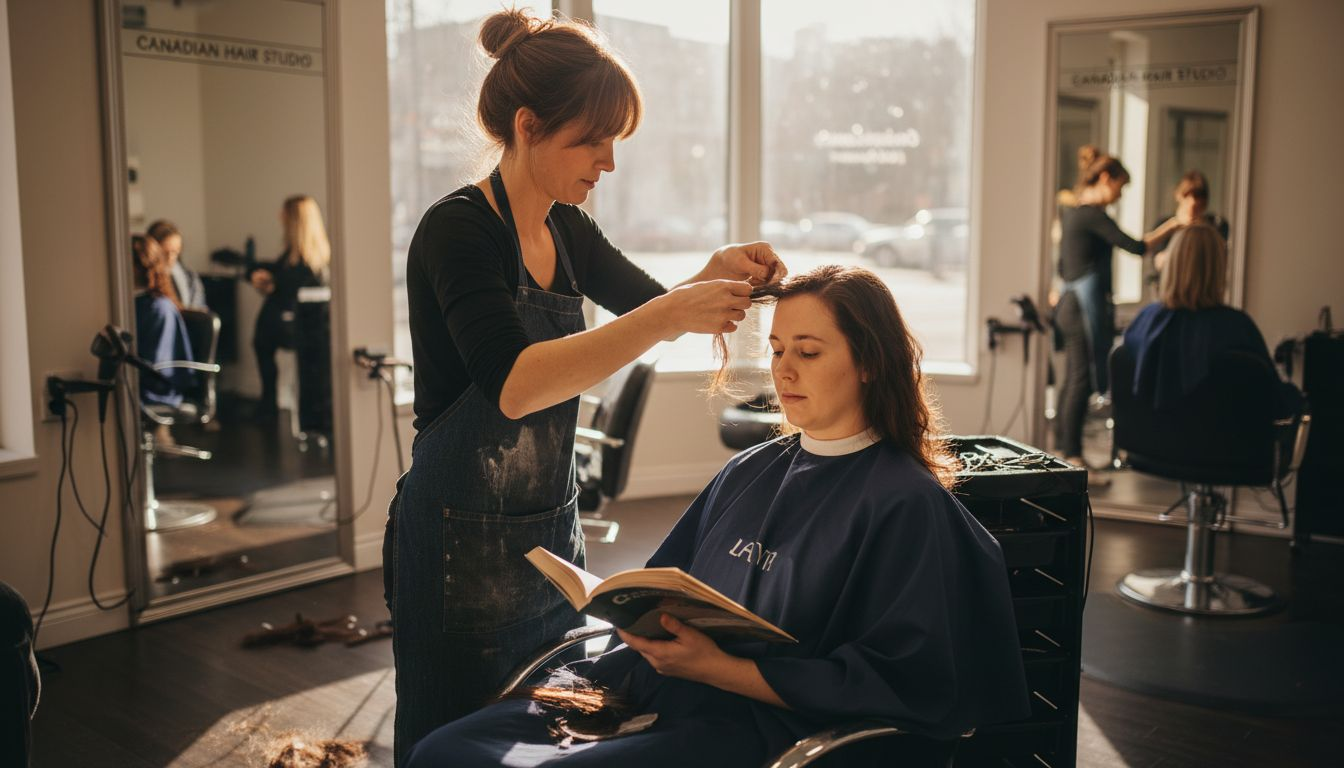
Fusion extensions use heated keratin or adhesive bonding to attach individual strands to your natural hair. A trained stylist applies heat to bond each extension, which takes longer but creates a very secure attachment lasting several months. Removal is delicate and often requires professional handling, as the bonds must be carefully heated and dissolved to separate without breaking your natural strands. Micro and nano ring extensions clamp tiny metal rings onto small sections of your hair, securing extension strands without glue or heat. A stylist attaches dozens of these rings during application. For removal, the rings are gently unclamped and slid out, making this one of the gentler removal methods available. Sewn-in weaves involve braiding your natural hair into cornrows, then sewing wefted hair onto those braids using thread. This method distributes weight across multiple braids rather than individual strands, which is why it’s popular for textured hair. Removal requires carefully unpicking the thread holding the wefts, then unbraiding your cornrows.
Proper removal matters as much as skilled application. Improper removal causes hair breakage and follicle damage that can result in permanent hair loss. Never try DIY removal of bonded or sewn extensions. Always consult a trained stylist who understands the specific application method used and can safely dissolve bonds or unpick stitching without yanking your natural hair. If your extensions feel too tight, ask your stylist to loosen them immediately rather than waiting for your next appointment. Tightness indicates excessive scalp tension that can damage your hair follicles over time. The removal process should take time and patience, not force.
Here’s a comparison of popular hair extension application methods and their unique characteristics:
| Method | Suitability | Approximate Longevity | Key Removal Consideration |
|---|---|---|---|
| Tape-in | Fine or sensitive hair | 6-8 weeks | Use solvent to dissolve adhesive |
| Clip-in | All hair types, flexible | Varies (one day to months) | Simple unclipping, DIY |
| Fusion | Most hair types | 3-6 months | Professional bond dissolving |
| Micro/Nano Ring | Medium/thick hair, curly patterns | 2-4 months | Unclamping rings, gentle removal |
| Sew-in/Weave | Textured/coily hair | 6-8 weeks | Careful thread unpicking |
Pro tip: Schedule your removal appointment before your extensions become too loose or overgrown, as timely removal prevents your hair from becoming tangled around the attachment points and sustains the health of your natural strands.
Maintenance, Longevity, and Styling Considerations
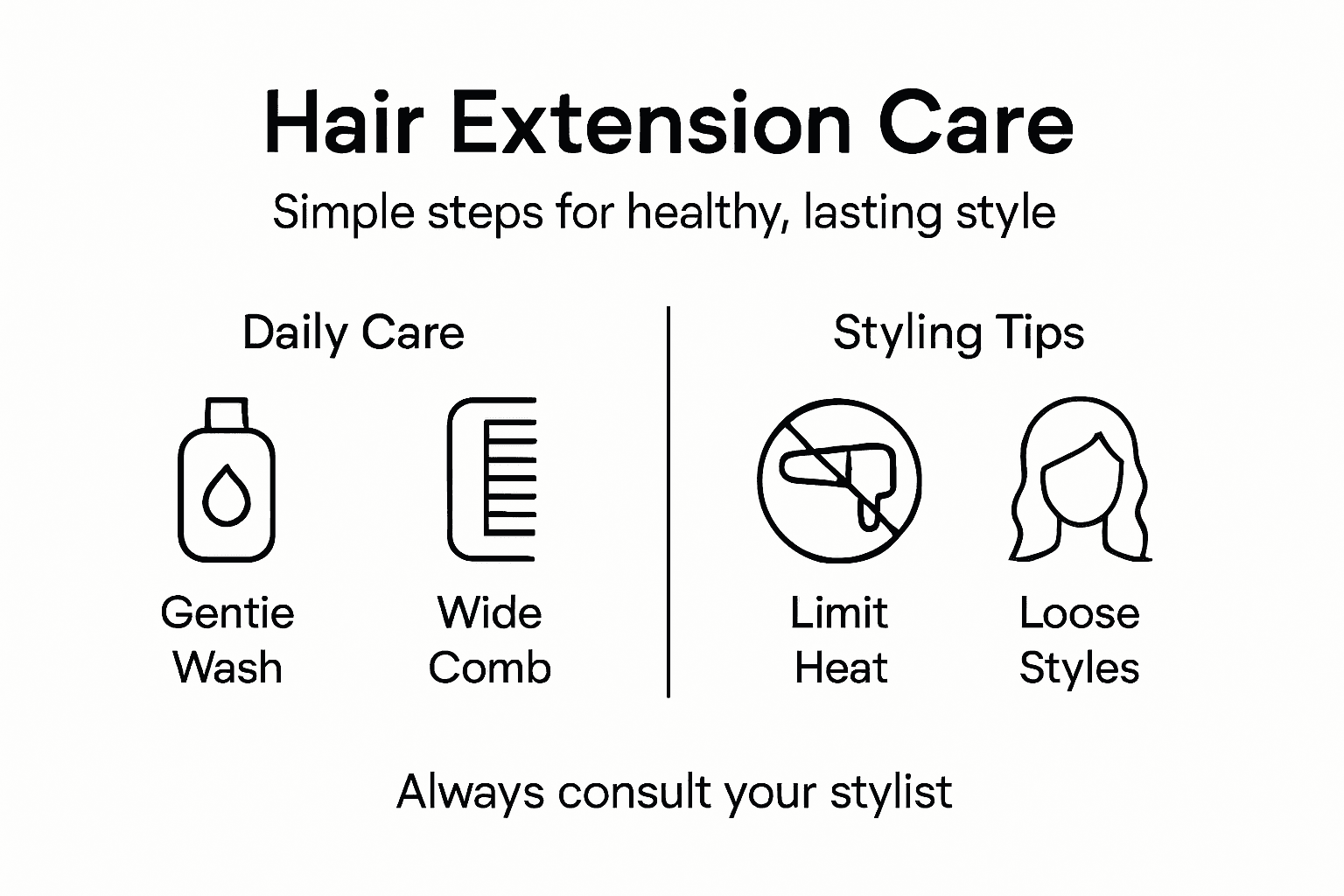
Your extensions are only as healthy as the care routine you commit to. Daily maintenance starts in the shower. Wash your extensions using gentle, sulphate-free shampoos and moisturising conditioners, focusing product on the mid-lengths and ends rather than the roots. Rough shampooing at the attachment points weakens bonds and causes premature shedding. When you step out of the shower, pat your hair dry with a microfibre towel rather than rubbing vigorously. Brushing wet extensions causes breakage, so wait until your hair is completely dry before detangling. Use a wide-tooth comb or soft paddle brush, starting from the ends and working upward in small sections. This approach prevents yanking on attachments and reduces strain on your natural hair.
Styling practices directly influence how long your extensions last. Minimal heat and avoiding tight hairstyles prevents both damage and traction alopecia. When you do use heat tools like flat irons or curling irons, apply them only to completely dry hair on low settings. Never use hot tools near attachment points. Sleeping is when damage often occurs silently. Braid your extensions loosely before bed or wrap them in a silk or satin scarf to prevent tangling and friction against your pillow. Cotton pillowcases create friction that causes frizz and breakage, so consider upgrading to silk. Tight ponytails, buns, and braids that pull on your roots should be rotated and not worn daily. Your scalp needs breaks from tension to remain healthy.
The lifespan of your extensions depends heavily on the quality of your care routine and how often you wear them. Human hair extensions typically last 6 to 12 months with proper maintenance, though some can last longer. Never leave extensions in continuously for more than 8 weeks without professional maintenance appointments. During these visits, your stylist repositions tape-ins, checks ring placements, or reinitialises weaving to prevent buildup at your scalp. Maintaining your natural hair health underneath extensions is equally important. Continue using nourishing treatments and deep conditioning masks weekly to keep your natural strands strong. If your scalp becomes itchy or irritated, regular scalp cleaning and moisturising products help prevent infection and discomfort. Never ignore scalp issues hoping they’ll resolve on their own.
Below is a summary of crucial maintenance tips to extend extension life and preserve scalp health:
| Maintenance Focus | Why It Matters | Key Recommendation |
|---|---|---|
| Gentle Washing | Prevents bond damage | Use sulphate-free shampoo |
| Drying Technique | Reduces breakage | Pat with microfibre towel |
| Detangling | Protects attachments | Wide-tooth comb on dry hair |
| Night Routine | Minimises friction | Loose braids, silk scarf |
| Styling Choices | Prevents tension | Avoid tight ponytails |
| Professional Checks | Prevents buildup | Schedule regular visits |
Pro tip: Create a weekly maintenance schedule that includes gentle shampooing on Wednesdays, deep conditioning on Sundays, and protective styling routines each night to maximise your extension lifespan and keep your natural hair thriving underneath.
Risks, Quality, and What to Avoid
Hair extensions offer tremendous styling freedom, but they come with genuine risks when applied or maintained incorrectly. The most serious concern is traction alopecia, which is permanent hair loss caused by repeated pulling on your hair follicles. This condition develops gradually and may not be reversible once the follicles are damaged. Beyond hair loss, extensions can trigger scalp irritation, allergic reactions to adhesives or bonding chemicals, and uncomfortable headaches from the weight of poorly distributed extensions. Some people develop bald spots or thin areas where extensions attach continuously. These aren’t minor cosmetic issues. Permanent damage to your scalp and hair follicles can take years to recover from, if recovery is possible at all.
Quality matters significantly when selecting extensions. Low-quality synthetic hair often looks obviously artificial, tangles easily, and deteriorates quickly. Poor-quality human hair may be heavily processed, chemically treated, or even mixed with lower-grade fibres sold as premium. These inferior products not only disappoint aesthetically but also pose greater risks to your natural hair. The chemicals used in low-quality extensions can irritate your scalp and weaken your hair shaft. When selecting extensions, invest in reputable suppliers offering transparency about their sourcing and processing methods. Raw virgin human hair that hasn’t undergone extensive chemical processing provides the best results and safest option for your scalp and strands. Additionally, adhesive allergic reactions and scalp irritation are common when extensions use harsh chemicals or when your scalp isn’t properly prepared before application. Always inform your stylist about any history of skin sensitivity or allergies before installation.
Certain practices virtually guarantee damage. Never leave extensions in for months without professional maintenance. Never ignore scalp pain, itching, or unusual sensations. Never wear extensions so tight that you feel constant tension on your scalp. Never use extensions to cover up weak or damaged natural hair. Never skip the consultation phase with your stylist. Never attempt DIY application of bonded or sewn extensions. Hair loss from extensions can result from headaches, excessive weight, and poor installation, so professional application becomes non-negotiable. Watch for warning signs including scalp tenderness, visible thinning at your hairline, or breakage that seems excessive. Stop wearing extensions temporarily if you notice these symptoms and consult a dermatologist before reapplying.
Pro tip: Before committing to extensions, request a strand test with your stylist using their bonding adhesive to check for allergic reactions, and schedule a dermatology consultation if you have pre-existing hair loss or scalp conditions.
Elevate Your Style with Premium Hair Extensions for Lasting Confidence
Discover the transformative power of 100% raw and virgin human hair extensions designed to seamlessly blend with your natural texture whether you desire wavy, straight, or curly styles. If the article made you aware of the challenges involved in maintaining healthy hair while using extensions and the importance of quality and proper care, Gaurash Hair offers a trusted solution that caters to these needs. Our meticulously crafted selection of Premium Hair Frontals and extensions ensures you achieve a flawless, natural look without compromising your hair’s health.
Experience the freedom to enhance your personal style with confidence by choosing from our luxury range of hair enhancements. Act now to enjoy fast global shipping and expert support on your choices so you can start your effortless styling journey today. Explore our full collection at Gaurash Hair and consider complementing your extensions with professional Hair Extensions Tools & Accessories to maintain perfect hair health and longevity.
Frequently Asked Questions
What are hair extensions and how can they enhance my hair style?
Hair extensions are cosmetic enhancements that add length, volume, or colour to your natural hair. They allow you to experiment with different styles without making permanent changes, boosting both your look and confidence.
How do I maintain hair extensions to ensure they last longer?
To maintain hair extensions, wash them gently with sulphate-free shampoo and conditioning products. Avoid rough handling, and use a wide-toothed comb for detangling. Schedule regular maintenance appointments to reposition extensions and check on your natural hair health.
Are there specific types of hair extensions that work better for different hair textures?
Yes, different hair textures require specific types of extensions. For example, textured or coily hair typically benefits from extensions designed specifically for curl patterns, while fine hair may do better with lighter options like tape-in extensions.
What should I do if I experience discomfort or tightness while wearing hair extensions?
If you feel discomfort or tightness, consult your stylist immediately to adjust or loosen the extensions. Prolonged tension can lead to traction alopecia and other hair health issues, so it’s essential to address these feelings promptly.
Recommended
- Curly Itip Hair Extensions | Indian Virgin I Tip Hair | Gaurash Beauty Supply
- Straight Itip Hair Extensions | Indian Virgin I Tip Hair | Gaurash Beauty Supply
- 2025 Hair Extension Trends | Raw Indian Hair, Invisible Wefts & Luxury Styles – Gaurash Beauty Supply
- Premium Hair Toppers | Hair Toppers | Gaurash Beauty Supply
- Hair Growth Progress: Proven Tips & Trends for 2025 | MyHair