

Role of hair extensions in salons: benefits 2026
Many stylists believe all hair extension methods yield similar results, but research reveals tape-in extensions had highest client satisfaction whilst keratin bonds showed least natural hair damage. Different extension methods impact client satisfaction and hair health in measurably distinct ways. This guide clarifies the benefits and best practices salons need for 2026, helping you select methods that protect client hair whilst building trust and profitability.
Table of Contents
- Understanding Hair Extension Methods And Their Impact
- Importance Of Professional Training And Certification For Successful Hair Extension Services
- Managing Risks And Ensuring Client Hair Health With Extensions
- Balancing Cost, Maintenance, And Longevity In Hair Extensions
- Explore Premium Hair Extensions For Your Salon
- Frequently Asked Questions
Key takeaways
| Point | Details |
|---|---|
| Extension method selection matters | Tape-in and keratin bond methods show superior client satisfaction and reduced hair damage compared to traditional fusion techniques. |
| Professional certification reduces complaints | Salons with certified extension specialists report 30% fewer client complaints, demonstrating training’s direct impact on service quality. |
| Proper application prevents traction alopecia | Monitoring tension and weight distribution protects clients from scalp discomfort and permanent hair loss. |
| Cost and maintenance vary significantly | Extension costs range from $400 for tape-ins to $1500 for fusion, affecting client choices and salon scheduling strategies. |
Understanding hair extension methods and their impact
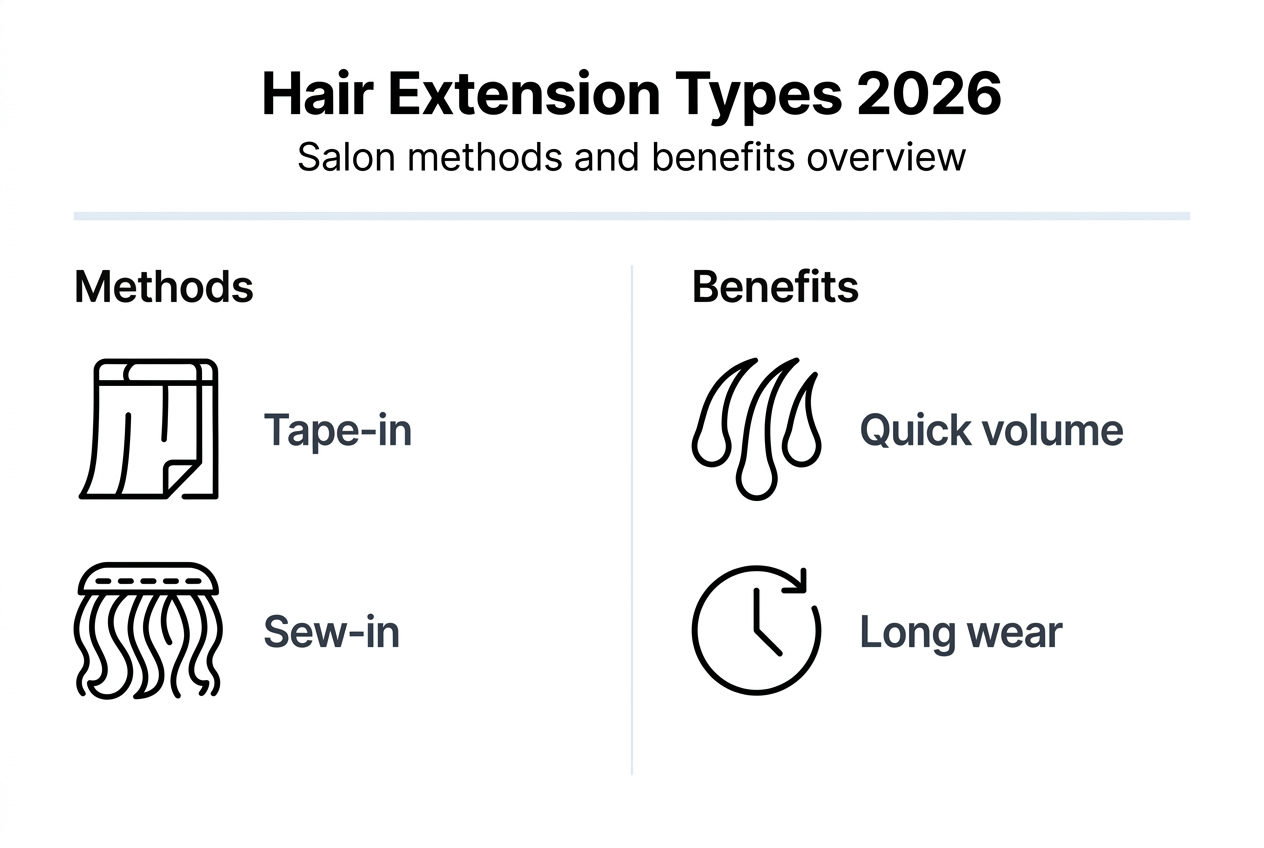
Selecting the right extension method directly influences client satisfaction and hair health outcomes. Professional salons in 2026 typically offer five primary methods: tape-in, sew-in, keratin bond, I-tip, and fusion extensions. Each method differs in application technique, maintenance requirements, and impact on natural hair.
Tape-in extensions involve sandwiching thin sections of natural hair between two adhesive wefts. This method offers quick application, typically 45 to 90 minutes, and allows for easy removal and repositioning. Tape-in extensions had highest client satisfaction in comparative studies, making them ideal for clients seeking flexibility and minimal commitment.
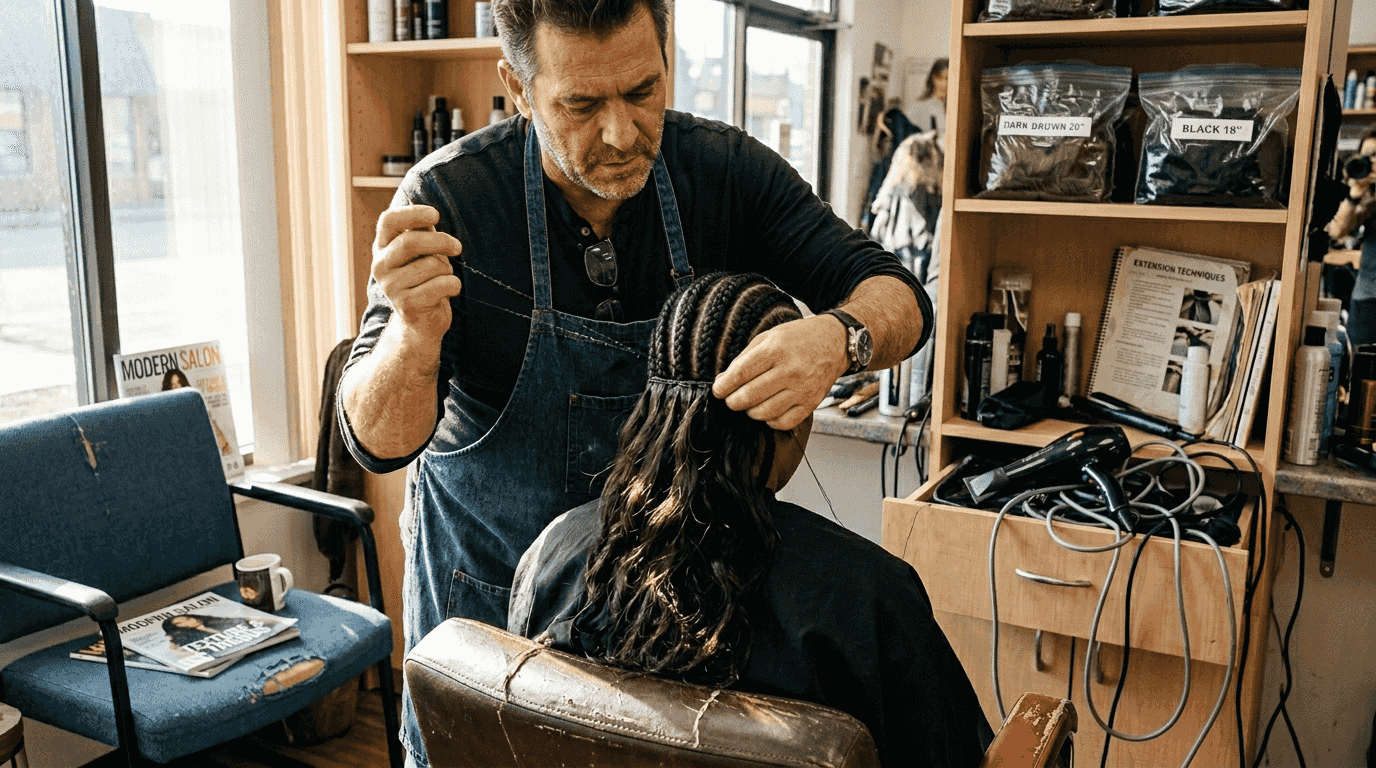
Sew-in or weft extensions require braiding natural hair into cornrows, then stitching wefts onto the braided base. This method suits clients with thicker hair who want long-lasting results without daily maintenance. Sew-ins typically last six to eight weeks and distribute weight across multiple attachment points, reducing strain on individual hair follicles.
Keratin bond extensions use heat to fuse individual extension strands to natural hair using keratin-based adhesive. Studies indicate keratin bond extensions showed least natural hair damage amongst permanent methods. The bonds remain flexible, moving naturally with client hair whilst providing secure, long-lasting attachment.
I-tip extensions feature small metal beads that clamp onto natural hair without heat or adhesive. This method allows precise placement and individual strand customisation. Clients appreciate the flexibility to reposition extensions as natural hair grows, extending the time between salon visits.
Fusion extensions bond individual strands using heated keratin or polymer adhesives. Whilst fusion creates seamless results, improper application temperature or technique can damage natural hair cuticles. This method requires advanced technical skill and careful monitoring throughout the service.
Comparison of hair extension methods
| Method | Application time | Longevity | Maintenance frequency | Best for |
|---|---|---|---|---|
| Tape-in | 45-90 minutes | 6-8 weeks | Every 6-8 weeks | Quick transformations |
| Sew-in | 2-4 hours | 6-8 weeks | Every 6-8 weeks | Thick, coarse hair |
| Keratin bond | 3-5 hours | 3-4 months | Every 3-4 months | Long-term wear |
| I-tip | 2-4 hours | 3-4 months | Every 3-4 months | Heat-sensitive clients |
| Fusion | 3-6 hours | 3-6 months | Every 3-6 months | Seamless blending |
Matching extension type to client hair health and lifestyle produces optimal results. Clients with fine or damaged hair benefit from lighter methods like tape-in or I-tip extensions. Active clients who swim or exercise frequently need secure methods like sew-in or properly sealed keratin bonds.
Pro tip: Assess natural hair density, texture, and daily styling habits during consultation to recommend the most suitable types of hair extensions for each client.
Importance of professional training and certification for successful hair extension services
Proper training directly impacts service quality and client satisfaction in measurable ways. Salons with certified extension specialists reported 30% fewer client complaints related to extensions, demonstrating how expertise reduces problems before they occur. Certification programmes teach critical skills that separate adequate application from exceptional results.
Professional training covers essential techniques including precise sectioning, strategic placement, colour matching, and seamless blending. Specialists learn to evaluate natural hair condition, identify contraindications, and customise application methods for individual client needs. This foundation prevents common mistakes that lead to visible extensions, premature slippage, or damage.
Certified specialists understand how to prepare natural hair for extensions through proper cleansing, protein treatments, and moisture balance. They recognise when client hair requires strengthening before extension application and can recommend appropriate waiting periods or alternative methods.
Key skills developed through professional certification
- Advanced sectioning techniques that create natural volume distribution
- Proper tension management to prevent scalp discomfort and traction injuries
- Colour theory application for seamless extension matching across varied lighting conditions
- Client education strategies for home maintenance and styling
- Troubleshooting methods for common extension challenges
- Removal techniques that preserve natural hair integrity
Ongoing education keeps specialists current with evolving methods and products. Extension technology advances rapidly, with new adhesives, application tools, and hair processing techniques emerging regularly. Specialists who pursue continuing education maintain competitive advantages and offer clients the latest, safest options.
Common pitfalls avoided through professional expertise include improper bead placement that creates visible bumps, excessive tension causing immediate discomfort, and poor colour matching resulting in obvious demarcation lines. Untrained application often leads to premature shedding, tangling, or matting that damages salon reputation.
Pro tip: Schedule quarterly training updates to learn new techniques and refine existing skills, ensuring your salon remains at the forefront of extension innovation and client satisfaction.
Managing risks and ensuring client hair health with extensions
Extension application carries inherent risks that proper technique and monitoring effectively mitigate. The most serious concern is traction alopecia, a form of hair loss caused by prolonged tension on hair follicles. Studies confirm excess traction or weight can cause headaches and traction alopecia, making careful application essential for client safety.
External traction headaches occur when extensions pull too tightly on the scalp, creating constant pressure that triggers pain signals. Clients experiencing this discomfort may initially dismiss it as adjustment period sensitivity. However, persistent pulling damages hair follicles permanently if not addressed promptly.
Extension slippage poses another significant risk. Research shows slippage of weft extensions increases localised tension as extensions shift from their intended position, concentrating weight on fewer attachment points. This creates dangerous stress on remaining anchor points, accelerating potential hair loss.
The International Classification of Headache Disorders officially recognises external traction headache as a distinct condition caused by continuous pulling on the scalp, emphasising the medical significance of proper extension application.
Warning signs requiring immediate attention
- Persistent scalp tenderness or pain beyond 48 hours after application
- Visible hair thinning around extension attachment points
- Clients reporting difficulty sleeping due to scalp discomfort
- Redness or inflammation along the hairline or sectioned areas
- Extensions feeling noticeably tighter than during initial application
- Unusual shedding during routine brushing or styling
Preventing these complications requires systematic monitoring throughout the extension lifecycle. Schedule check-in appointments at two-week intervals for new extension clients to assess comfort and make necessary adjustments. Educate clients on choosing hair extensions wisely based on their hair strength and lifestyle factors.
Adjusting tension involves loosening bonds, repositioning attachments, or temporarily removing extensions in affected areas. Some clients require lighter-weight hair or fewer extension pieces to achieve safe, comfortable results. Prioritising hair health over dramatic transformation builds long-term client relationships based on trust.
Documenting baseline hair condition with photographs protects both salon and client. These records demonstrate pre-existing conditions and track hair health changes throughout the extension journey, providing valuable evidence if concerns arise.
Balancing cost, maintenance, and longevity in hair extensions
Financial considerations significantly influence both client decisions and salon operations. Extension costs vary substantially based on method, hair quality, and service time. Tape-in extensions cost $400 to $800 whilst fusion ranges $600 to $1500, with longevity varying by method and client maintenance adherence.
Maintenance frequency directly impacts client satisfaction and salon scheduling efficiency. Tape-in extensions require repositioning every six to eight weeks as natural hair grows, creating predictable rebooking cycles. Keratin bonds and I-tips last three to four months, reducing appointment frequency but requiring longer service times during reinstallation.
Extension cost and maintenance comparison
| Method | Initial cost | Maintenance cost | Maintenance interval | Annual total |
|---|---|---|---|---|
| Tape-in | $400-$800 | $150-$300 | 6-8 weeks | $1300-$2600 |
| Sew-in | $300-$600 | $100-$200 | 6-8 weeks | $1000-$2000 |
| Keratin bond | $800-$1500 | $200-$400 | 3-4 months | $1400-$2700 |
| I-tip | $700-$1200 | $200-$350 | 3-4 months | $1300-$2400 |
| Fusion | $600-$1500 | $250-$500 | 3-6 months | $1100-$2500 |
Client maintenance habits dramatically affect hair extension longevity. Proper home care extends extension life whilst reducing emergency salon visits for tangles or damage. Educating clients on correct brushing techniques, product selection, and sleeping practices protects both their investment and your salon’s reputation.
Steps for advising clients on extension investment
- Assess budget constraints and determine realistic method options within their financial range
- Calculate total annual cost including initial application, maintenance visits, and recommended products
- Explain maintenance requirements clearly, including time commitment for home care and salon appointments
- Discuss lifestyle factors that affect hair extension longevity such as swimming, heat styling, and exercise routines
- Set realistic expectations about touch-up frequency and visible growth patterns for their chosen method
- Create a customised maintenance schedule with pre-booked appointments to ensure consistent care
Longevity influences salon profitability through multiple channels. Methods requiring frequent maintenance generate steady revenue streams but demand efficient scheduling systems. Longer-lasting methods appeal to clients seeking convenience but require higher initial service fees to maintain profitability.
Balancing your service menu with various price points and maintenance schedules accommodates diverse client needs whilst optimising salon workflow. Offering both quick-turnaround methods like tape-ins and premium long-term options like fusion extensions captures broader market segments.
Explore premium hair extensions for your salon
Equipping your salon with exceptional extension products elevates client results and strengthens your professional reputation. Premium quality hair ensures natural movement, lasting durability, and satisfied clients who become your most effective marketing ambassadors.
Gaurash Hair specialises in 100% raw virgin human hair sourced directly from India, offering the natural texture and unprocessed quality professional stylists demand. Our virgin Indian straight hair extensions provide silky, manageable texture ideal for seamless blending. The virgin wavy human hair bundles offer versatile styling options, whilst virgin Indian curly hair bundles deliver volume and definition that clients adore. Explore our professional-quality collection to discover ethically sourced options that support your commitment to excellence and client satisfaction.
Frequently asked questions
What are the most common hair extension methods used in salons?
Professional salons typically offer tape-in, sew-in, keratin bond, I-tip, and fusion extensions, each suited to different client needs and hair types. Tape-in methods provide quick application and easy maintenance, whilst keratin bonds offer longer-lasting results with minimal natural hair damage. Selecting the appropriate method depends on client hair condition, lifestyle, and desired longevity.
How does professional training improve hair extension services?
Certified training reduces client complaints by 30% through proper technique mastery and risk management. Specialists learn precise sectioning, tension control, and customised application that prevents common problems like visible attachments or premature slippage. Ongoing education ensures stylists remain current with evolving methods and products.
What risks should salons be aware of when offering hair extensions?
Traction alopecia and external traction headaches represent the primary risks from improper extension application. Excessive tension or weight on hair follicles causes scalp discomfort and potentially permanent hair loss if not addressed promptly. Monitoring client comfort and adjusting tension during follow-up appointments prevents long-term damage whilst maintaining trust.
How do extension costs and maintenance affect salon operations?
Extension costs ranging from $400 to $1500 influence client decisions and create diverse revenue opportunities for salons. Maintenance frequency impacts scheduling efficiency, with tape-ins requiring visits every six to eight weeks compared to quarterly appointments for keratin bonds. Balancing various methods optimises workflow whilst accommodating different client budgets and commitment levels.
Recommended
- Role of Hair Extensions – Elevating Personal Style and Confidence – Gaurash Beauty Supply
- Why Indian Human Hair Extensions Are the Hottest Trend in 2025 – Gaurash Beauty Supply
- Why Invest in Luxury Hair Extensions Today – Gaurash Beauty Supply
- Luxury Hair Extensions: Elevate Style and Confidence – Gaurash Beauty Supply