

Prepare Natural Hair for Extensions: Step-by-Step Guide
Choosing the right extensions means more than just picking a style that looks beautiful. Healthy hair and scalp care set the true foundation for stunning results. For ethnic women who want natural-looking enhancements, understanding how to cleanse, detangle, condition, and examine your textured hair ensures your investment lasts longer and protects your roots. With simple expert steps, you can prepare your hair for seamless extension installation while keeping scalp health and hair strength front and centre.
Table of Contents
- Step 1: Assess Hair Health And Cleanse Thoroughly
- Step 2: Detangle And Deep Condition Natural Hair
- Step 3: Trim Ends And Treat Scalp Concerns
- Step 4: Blow Dry And Protect With Leave-In Products
- Step 5: Verify Extension Readiness And Strength
Quick Summary
| Key Message | Explanation |
|---|---|
| 1. Assess Hair Health First | Evaluate your scalp and hair condition for buildup, damage, or scalp issues before applying extensions. |
| 2. Cleanse with Gentle Products | Use a gentle shampoo suited to your hair type to cleanse thoroughly without stripping natural oils. |
| 3. Detangle with Care | Detangle hair from the bottom up while applying a deep conditioner to ensure smoothness and minimize breakage. |
| 4. Trim Damaged Ends | Trim split or damaged ends to prevent issues and promote a healthy foundation for extensions. |
| 5. Protect with Leave-In Products | Apply a suitable leave-in conditioner and use a low heat setting when blow drying to maintain hair health. |
Step 1: Assess Hair Health and Cleanse Thoroughly
Before installing hair extensions, understanding and preparing your natural hair is crucial. This step involves carefully evaluating your hair’s current condition and ensuring a thorough, gentle cleansing process that sets the foundation for healthy extension application.
Start by examining your scalp and hair strands for signs of buildup, damage, or potential issues. Scalp hygiene practices recommend checking for excessive oil, dirt accumulation, and any potential scalp conditions. Look for indicators like flakiness, greasiness, or unusual texture that might signal underlying hair health challenges. Gently run your fingers through your hair to assess its current moisture levels and overall strength.
To cleanse effectively, select a gentle shampoo that matches your specific hair texture and removes product residue without stripping natural oils. Begin by thoroughly wetting your hair with lukewarm water, then apply shampoo in sections, focusing on your scalp and roots. Use circular motions with your fingertips to break down buildup and stimulate blood circulation. Rinse completely, ensuring no shampoo remains. Follow with a moisturising conditioner to restore hydration and prepare your hair for extension installation. Professional hair care techniques emphasise the importance of maintaining hair strength before adding extensions.
Expert Tip: Consider doing a clarifying treatment one week before extension installation to remove deep product buildup and create the optimal foundation for your new hair enhancement.
Step 2: Detangle and Deep Condition Natural Hair
Preparing your natural hair for extensions requires careful detangling and deep conditioning to ensure strength, moisture, and manageability. This step is crucial for creating a healthy foundation that supports seamless extension installation while minimising potential hair damage.
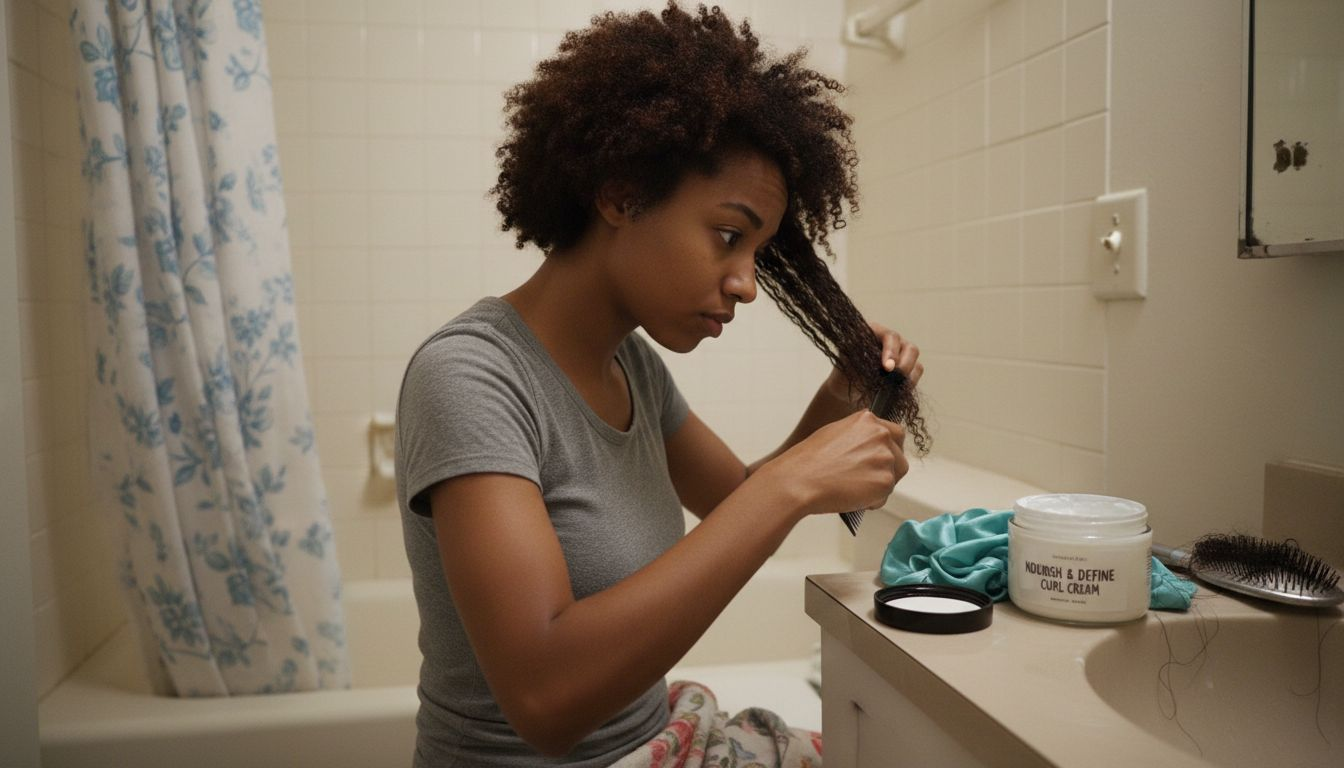
Gentle detangling techniques suggest starting from the bottom of your hair and working upwards to prevent knot formation. Moistening your hair with water helps smooth out tangles and makes the process easier. Divide your hair into 6 to 8 manageable sections, using your fingers to gently separate and identify any challenging knots. This method provides more control and allows you to feel and address potential breakage points before they become significant issues.
Apply a rich, moisturising deep conditioner throughout your hair, focusing on the ends and most tangled areas. Natural hair detangling methods recommend using a wide-tooth comb or soft brush to work through sections systematically. Start at the tips and slowly move upward, being patient and gentle to minimise hair breakage. Once detangled, consider twisting or braiding each section to prevent re-tangling and to help the conditioning treatment penetrate deeply into the hair shaft.
Expert Tip: Use a silk or satin hair wrap after deep conditioning to help your hair absorb maximum moisture and prevent friction during the treatment process.
Step 3: Trim Ends and Treat Scalp Concerns
Preparing your hair for extensions involves more than just surface level care. This critical step focuses on addressing potential hair and scalp health issues that could compromise the quality and longevity of your hair extensions.
Scalp health examination requires careful inspection for any signs of irritation, dryness, or unusual conditions. Gently part your hair in multiple sections to thoroughly assess your scalp’s condition. Look for indicators like flaking, redness, excessive oiliness, or small bumps that might suggest underlying scalp concerns. If you notice any persistent issues, consider consulting a hair care professional before proceeding with extension installation.
Trimming your hair ends is crucial for creating a healthy foundation for extensions. Focus on removing split or damaged ends that could break or cause uneven extension attachment. Use sharp professional hair shears and cut small amounts conservatively, typically a quarter to half an inch. Hair and scalp evaluation techniques emphasise the importance of maintaining hair integrity and addressing any visible damage before adding extensions. After trimming, apply a nourishing scalp treatment to support healing and prepare your hair for the next steps in the extension process.
Expert Tip: Invest in professional hair shears and trim your hair in natural light to ensure precise and even cutting.
Step 4: Blow Dry and Protect with Leave-In Products
Preparing your hair for extensions involves strategic drying and protective product application to ensure optimal hair health and extension longevity. This crucial step helps create a smooth, resilient foundation that supports seamless extension installation and prevents potential damage.
Leave-in conditioner benefits are essential for maintaining hair moisture and protection. Begin by selecting a leave-in conditioner appropriate for your specific hair texture. Apply the product to damp hair, focusing on mid-lengths and ends while avoiding the scalp to prevent product buildup. Use your fingers to distribute the conditioner evenly, ensuring each strand receives adequate moisture and protection.
When blow drying, use a low to medium heat setting and maintain a consistent distance to prevent heat damage. Move the dryer continuously and use a heat protectant product if possible. Natural hair conditioning techniques suggest using lightweight, nourishing products that provide a protective barrier against environmental stressors. Work in small sections, directing airflow downward to minimise frizz and create a smooth surface that will support extension attachment. Allow your hair to cool completely before proceeding to the next preparation step.
Expert Tip: Invest in a microfibre towel to gently remove excess moisture before applying leave-in products, reducing potential heat damage during blow drying.
Here’s a quick reference for selecting key hair preparation products:
| Product Type | Main Purpose | Ideal For |
|---|---|---|
| Gentle Shampoo | Removes residue gently | All hair textures |
| Moisturising Conditioner | Restores hydration | Dry or brittle hair |
| Deep Conditioner | Strengthens hair | Damaged or weak strands |
| Leave-In Conditioner | Protects and smooths | Frizzy or coarse hair |
| Scalp Treatment | Addresses scalp issues | Flaky or irritated scalp |
| Heat Protectant | Shields against heat | Blow drying or styling |
Step 5: Verify Extension Readiness and Strength
Before installing hair extensions, conducting a comprehensive assessment of your hair and scalp health is absolutely essential. This critical evaluation helps prevent potential damage and ensures your natural hair can successfully support and integrate with the extensions.

Hair strength assessment techniques involve performing a gentle hair pull test to determine your hair’s resilience and shedding rate. Carefully section your hair and gently pull a small cluster of strands between your fingers. Healthy hair should withstand mild tension with minimal breakage. If more than 2-3 strands come out easily, this might indicate weakened hair structure that requires additional conditioning and strengthening treatments before extension installation.
Professional hair health evaluation recommends examining your scalp for signs of inflammation, unusual dryness, or potential infections. Look closely for any redness, scaling, or sensitivity that could compromise extension attachment. Pay special attention to your hair’s overall density and elasticity. Stretch a few strands gently to test their flexibility. If your hair feels brittle or breaks quickly, consider postponing extension installation and focus on intensive hair repair treatments to rebuild strength and moisture.
The table below summarises common scalp and hair issues and suitable pre-extension remedies:
| Issue | Indicator | Recommended Action |
|---|---|---|
| Product build-up | Sticky or dull hair | Clarifying shampoo treatment |
| Split ends | Frayed or rough tips | Trim ends before install |
| Scalp dryness/flaking | Visible flakes, itching | Use gentle scalp treatment |
| Weak hair | Excess breakage or fall | Intensive deep conditioning |
| Excess oil | Greasy or limp roots | Mild cleansing shampoo |
Expert Tip: Document your hair’s condition with well-lit photographs from multiple angles to track progress and provide valuable reference points for hair health improvement.
Ready to Perfectly Prepare Your Natural Hair for Extensions
Preparing your natural hair properly is the key to achieving long-lasting, beautiful hair extensions without damage or discomfort. If you are focused on cleansing thoroughly, detangling gently, addressing scalp concerns, and protecting your hair with leave-in products as outlined in the guide then it is time to elevate your experience with premium tools and extensions designed for a flawless fit. You deserve a natural look that feels soft and luxurious while supporting your hair’s health and strength.

Discover the difference that high-quality products make by exploring our Hair Extensions Tools & Accessories – Gaurash Beauty Supply collection. For those ready to transform their style, our Premium Hair Frontals | Hair Frontals | Gaurash Beauty Supply offer seamless natural blends that enhance your look effortlessly. Visit Gaurash Hair today to find 100% raw and virgin Indian hair crafted for durability and natural beauty. Take charge of your hair journey now and ensure your extensions start on the strongest foundation possible.
Frequently Asked Questions
What steps should I take to assess the health of my natural hair before installing extensions?
Before installing extensions, assess your hair by checking for buildup, damage, and scalp conditions. Look for signs like flakiness or greasiness and gently examine your hair for moisture levels and strength.
How do I effectively cleanse my hair in preparation for extensions?
To cleanse your hair, choose a gentle shampoo that suits your hair type. Wet your hair with lukewarm water, apply shampoo focusing on your scalp, and use circular motions before rinsing thoroughly.
What techniques should I use to detangle my hair before applying extensions?
Start detangling your hair from the ends and work your way up to minimize breakage. Use a wide-tooth comb or your fingers, and apply a moisturising deep conditioner to ease tangling, sectioning your hair for better control.
Why is it important to trim my ends before installing hair extensions?
Trimming your ends is crucial to remove split or damaged hair that could lead to breakage after adding extensions. Trim about a quarter to half an inch off to create a healthier foundation for the extensions to attach.
How should I protect my hair when blow drying in preparation for extensions?
When blow drying, use a low to medium heat setting and apply a leave-in conditioner to damp hair. Maintain a distance with the dryer to prevent heat damage, aiming to dry your hair evenly from root to tip.
How can I verify if my hair is ready for extensions?
To verify your hair’s readiness, conduct a gentle hair pull test to check its strength. If more than 2-3 strands come out easily, focus on intensive conditioning before proceeding with the extension installation.
Recommended
- Curly Itip Hair Extensions | Indian Virgin I Tip Hair | Gaurash Beauty Supply
- Straight Itip Hair Extensions | Indian Virgin I Tip Hair | Gaurash Beauty Supply
- Loose Curly Flat Hair | Virgin I Tip Hair | Gaurash Beauty Supply
- Remy Indian Human Hair I-Tip Extensions: Microlink, Salon Quality, 100 – Gaurash Beauty Supply