

Natural vs synthetic hair: choosing the best extensions
Choosing between natural and synthetic hair extensions can feel overwhelming when you’re searching for the perfect balance of styling flexibility and long-lasting durability. Many buyers assume synthetic options offer the same versatility as natural hair at a lower price, but the reality is far more nuanced. Understanding the fundamental differences between these two types will empower you to make a confident decision that aligns with your styling needs, maintenance preferences, and budget. This guide breaks down everything you need to know about natural versus synthetic hair extensions, from heat styling capabilities to lifespan expectations, helping you invest wisely in extensions that truly deliver.
Table of Contents
- Key takeaways
- Understanding the difference between natural and synthetic hair
- Styling capabilities and maintenance differences
- Durability and lifespan comparison
- Choosing the right hair extensions for your needs
- Discover high-quality natural hair extensions at Gaurash Beauty Supply
- Frequently asked questions
Key Takeaways
| Point | Details |
|---|---|
| Styling versatility | Natural hair extensions offer heat styling, dyeing options, and movement that blends with real hair. |
| Durability and longevity | Natural hair lasts longer with proper maintenance and tends to wear better over time. |
| Cost considerations | Synthetic hair is cheaper upfront but may require more frequent replacements or limit styling versatility. |
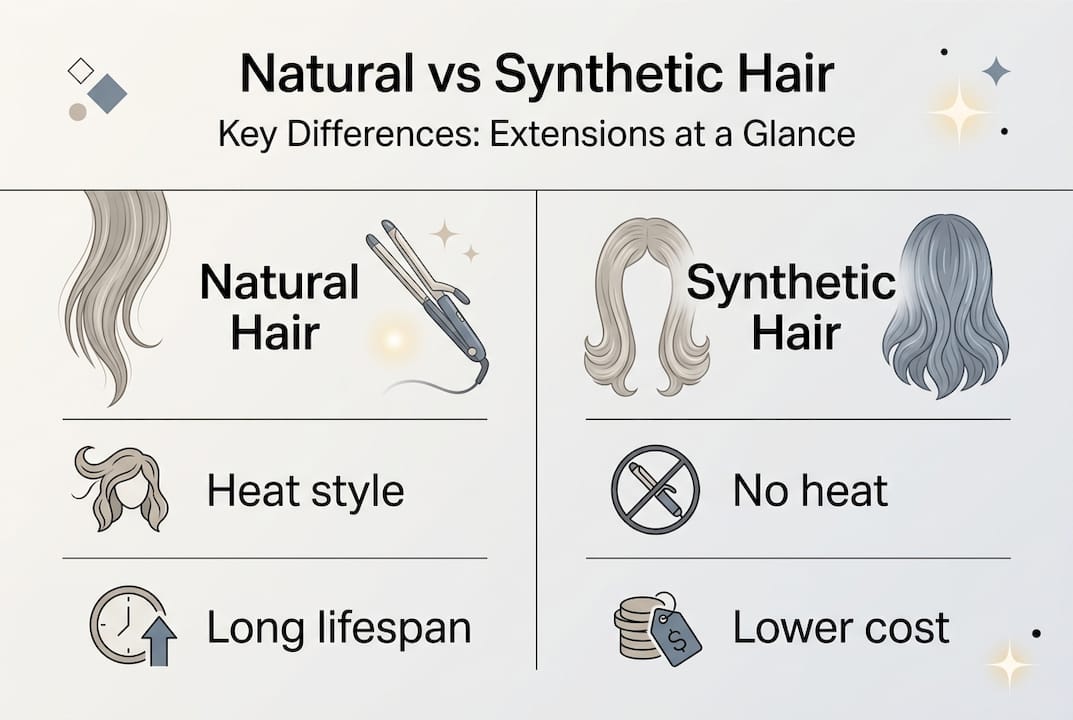
| Heat tolerance differences | Natural hair tolerates high heat up to 200 degrees Celsius, while most synthetic fibres melt at lower temperatures. |
Understanding the difference between natural and synthetic hair
The fundamental distinction between natural and synthetic hair extensions lies in their composition and resulting characteristics. Natural hair is composed of real human strands, allowing for natural movement and heat styling, whilst synthetic hair is manufactured from man-made fibres like acrylic, polyester, or modacrylic designed to mimic the appearance of real hair. This core difference impacts every aspect of how these extensions perform, from their ability to hold a curl to how they respond to environmental factors like humidity.
Natural hair extensions offer unparalleled versatility because they’re essentially identical to the hair growing from your scalp. You can apply heat styling tools, experiment with different colours through dyeing or bleaching, and achieve styling results that blend seamlessly with your natural hair. The cuticles remain intact in high-quality virgin hair, which means the hair maintains its natural shine, softness, and movement. When you run your fingers through properly sourced natural extensions, they feel indistinguishable from your own hair.
Synthetic hair extensions, by contrast, come with significant styling limitations. Most synthetic fibres cannot tolerate heat above 80-90 degrees Celsius, meaning standard curling irons, straighteners, and even some hair dryers can cause irreversible melting or damage. Some manufacturers produce heat-friendly synthetic hair that can withstand temperatures up to 180 degrees Celsius, but these cost considerably more and still don’t match the heat tolerance of natural hair. The texture of synthetic hair remains uniform and predictable, which can be advantageous for maintaining a specific style, but it lacks the organic variation and lustre that makes natural hair so appealing.
The cost difference between these two options reflects their production methods and performance capabilities. Natural hair extensions typically cost two to five times more than synthetic alternatives because sourcing, processing, and quality control require significantly more resources. You’re paying for hair that’s been ethically collected, carefully sorted by texture and length, and minimally processed to preserve its natural properties. Synthetic hair, being factory-produced from petroleum-based materials, costs far less to manufacture and can be produced quickly in large quantities.
Pro Tip: When examining natural hair extensions, gently tug a few strands. Real human hair will stretch slightly before breaking, whilst synthetic fibres tend to snap immediately without any elasticity.
Key characteristics of natural hair extensions:
- Sourced from human donors, maintaining natural protein structure
- Can withstand heat styling up to 200 degrees Celsius safely
- Accepts permanent and semi-permanent hair colour treatments
- Moves and flows naturally with body movement
- Lasts significantly longer with proper maintenance routines
Key characteristics of synthetic hair extensions:
- Manufactured from plastic-based fibres in controlled factory settings
- Melts or loses shape when exposed to high heat
- Cannot be chemically processed or coloured
- Maintains preset style but lacks natural movement
- More affordable but requires frequent replacement
Styling capabilities and maintenance differences
The styling possibilities for natural and synthetic hair extensions differ dramatically, directly impacting your daily routine and creative options. Natural hair can withstand heat styling tools and chemical treatments, giving you complete freedom to curl, straighten, or wave your extensions just as you would your biological hair. You can experiment with different looks for various occasions, switch between sleek straight styles and bouncy curls, and even opt for balayage or highlights to add dimension. This versatility makes natural hair extensions ideal for anyone who enjoys regularly changing their hairstyle or works in an industry where appearance variety matters.
Synthetic hair extensions require a completely different approach to styling and care. Because the fibres cannot tolerate high temperatures, you must avoid direct heat from styling tools, which severely limits your styling options. The extensions arrive pre-styled in a specific texture, whether straight, wavy, or curly, and that texture remains relatively fixed throughout the product’s lifespan. Some wearers appreciate this consistency because it eliminates daily styling time, but others find it restrictive when they want to adapt their look for different settings or seasons.
Maintenance routines vary considerably between the two hair types, affecting both time commitment and ongoing costs. Natural hair extensions need regular washing with sulphate-free shampoos and moisturising conditioners, similar to caring for your own hair. You should wash them every seven to ten wears, or more frequently if you use heavy styling products. Deep conditioning treatments once or twice monthly help maintain softness and prevent tangling. Natural hair also benefits from leave-in conditioners and heat protectant sprays before any thermal styling, which adds steps to your routine but significantly extends the hair’s lifespan.
Synthetic hair requires specialised cleaning products formulated specifically for man-made fibres. Regular shampoos can strip the coating that gives synthetic hair its shine and can cause tangling or frizzing. You’ll need to invest in synthetic hair shampoo and conditioner, which typically cost less than premium natural hair products but represent an additional expense category. Washing frequency depends on wear, but most synthetic extensions need cleaning every fifteen to twenty wears. The washing process itself differs: you soak synthetic hair in cool water with cleaning solution rather than scrubbing it, then gently squeeze out excess water without wringing or twisting.
Pro Tip: Always detangle natural hair extensions from the ends upward using a wide-tooth comb before washing. This prevents matting at the roots and preserves the hair’s integrity, potentially doubling its usable lifespan.
Natural hair styling advantages:
- Heat style with curling irons, straighteners, and blow dryers safely
- Apply hair colour, highlights, or lowlights professionally
- Use standard hair care products from your existing routine
- Achieve varied looks from sleek to textured styles
- Respond naturally to humidity and environmental conditions
Synthetic hair styling limitations:
- Cannot use heat styling tools on most varieties
- Colour and chemical treatments will destroy the fibres
- Requires specialised cleaning and conditioning products
- Maintains one preset style with minimal variation possible
- Can become frizzy or lose shape in humid conditions
Durability and lifespan comparison
The longevity of your hair extensions directly impacts their overall value and cost-effectiveness, making durability a crucial consideration in your purchasing decision. Natural hair extensions last significantly longer than synthetic, often many months with proper care, whilst synthetic options typically show visible wear within weeks to a few months depending on usage frequency and care quality. This substantial difference in lifespan means that whilst natural hair costs more initially, the per-wear cost often works out similarly or even more favourably compared to repeatedly replacing synthetic extensions.
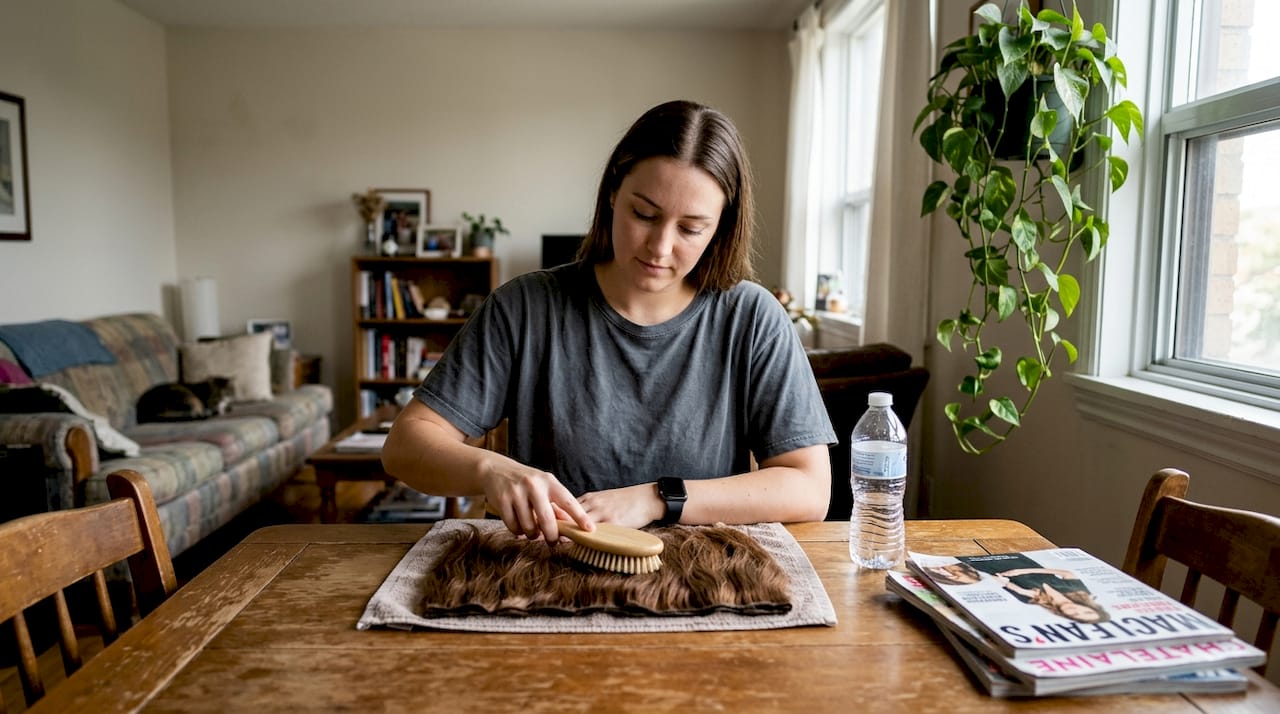
Natural hair extensions, when properly maintained, can last anywhere from six months to over a year with regular wear. High-quality virgin hair that hasn’t been chemically processed tends to last longest because the cuticles remain intact and aligned, reducing tangling and breakage. The hair maintains its lustre, softness, and styling capabilities throughout most of its lifespan, only gradually showing signs of wear as the cuticles naturally deteriorate over time. Many users report that their natural extensions still look presentable even after ten to twelve months, though styling may require slightly more effort as the hair ages.
Synthetic hair extensions typically last between one to three months with regular wear, though this varies significantly based on quality grade and care routine. Lower-priced synthetic options may start looking worn, frizzy, or tangled within just a few weeks, whilst premium heat-friendly synthetic hair can maintain its appearance for several months. The fibres gradually lose their coating, leading to increased shine loss, tangling, and an obviously artificial appearance. Once synthetic hair reaches this degraded state, no amount of care or product application can restore its original look, necessitating complete replacement.
Several factors influence how long both types of extensions maintain their quality and appearance. Styling frequency plays a major role: natural hair that’s heat-styled daily will show wear faster than hair that’s styled weekly, though it still outlasts synthetic alternatives. Your care routine significantly impacts longevity, with gentle handling, proper storage, and appropriate products extending lifespan considerably. Environmental exposure matters too, as chlorine from swimming pools, salt water, and prolonged sun exposure can damage both natural and synthetic hair, though natural hair proves more resilient to these stressors.
Pro Tip: Before bed, braid or loosely tie natural hair extensions and store them on a silk pillowcase or in a satin bag. This simple nightly routine prevents tangling and friction damage, often extending usable life by several months.
| Factor | Natural hair extensions | Synthetic hair extensions |
|---|---|---|
| Average lifespan | 6-12+ months with proper care | 1-3 months with regular wear |
| Cost per month | £15-30 depending on initial investment | £20-40 due to frequent replacement |
| Maintenance time | Moderate: regular washing and conditioning | Low: minimal styling but frequent replacement |
| Styling durability | Maintains styling capability throughout life | Loses preset style and becomes frizzy |
| Appearance over time | Gradual, graceful ageing with consistent look | Rapid deterioration with obvious wear signs |
Choosing the right hair extensions for your needs
Selecting the most suitable hair extension type requires honest assessment of your priorities, lifestyle, and budget constraints. The decision isn’t simply about choosing the “best” option in absolute terms, but rather identifying which type aligns most closely with your specific circumstances and expectations. Both natural and synthetic extensions serve valid purposes for different users, and understanding your own needs will guide you toward the choice that delivers maximum satisfaction and value.
Selecting hair extensions depends on desired look, budget constraints, and maintenance willingness, so working through a systematic evaluation process helps clarify which option suits you best. Consider how frequently you’ll wear the extensions: daily wear strongly favours natural hair due to its durability and styling flexibility, whilst occasional use for special events might make synthetic hair’s lower cost more appealing. Think about your styling habits too: if you regularly use heat tools or enjoy changing your hairstyle, natural hair is essentially your only viable option.
Your budget situation requires realistic consideration beyond just the initial purchase price. Natural hair extensions demand a larger upfront investment, typically ranging from £100 to £400 or more depending on length, quality, and quantity. However, this investment spreads across many months of use, potentially offering better value than repeatedly purchasing £30-60 synthetic extensions every few months. Calculate the total cost over a six-month or yearly period to understand the true financial comparison, factoring in any specialised products each type requires.
Professional hairstylists advising clients should consider several additional factors when making recommendations. Client lifestyle plays a crucial role: active individuals who swim regularly or work in humid environments may find natural hair more resilient, whilst clients seeking low-maintenance options for infrequent wear might prefer synthetic alternatives. The client’s natural hair texture and colour matching needs also matter, as natural extensions can be customised through cutting and colouring whilst synthetic options must match closely from the start.
Step-by-step selection process:
- Assess your wearing frequency: daily, weekly, or occasional special events only
- Evaluate your heat styling needs: regular curling/straightening versus minimal styling
- Calculate your realistic budget: initial investment plus ongoing maintenance costs
- Consider your maintenance commitment: time and effort you’re willing to invest
- Determine your colour and texture flexibility needs: fixed style versus varied looks
- Factor in your lifestyle: swimming, sports, humid climates, or protective environments
- Review your experience level: first-time user versus experienced extension wearer
Synthetic extensions make practical sense in specific scenarios despite their limitations. They’re excellent for testing whether you enjoy wearing extensions before committing to a larger natural hair investment. Costume purposes, theatrical performances, or one-time special events where you need a dramatic temporary change also suit synthetic hair perfectly. Some users keep both types: natural extensions for regular wear and synthetic pieces in bold colours or dramatic styles for occasional fun without risking damage to their primary extensions.
Natural hair extensions represent the superior choice when you prioritise quality, longevity, and styling versatility. They’re ideal for daily wear, professional settings requiring polished appearance, and anyone who views their extensions as a long-term investment in their appearance. The ability to heat style, colour, and treat natural extensions just like your biological hair provides unmatched flexibility and ensures your extensions can evolve with your changing style preferences rather than limiting your options.
Discover high-quality natural hair extensions at Gaurash Beauty Supply
When you’re ready to invest in premium natural hair extensions that deliver the styling versatility and durability you deserve, Gaurash Beauty Supply offers an exceptional selection of virgin Indian hair products. Our virgin Indian straight human hair extensions provide the sleek, sophisticated look that blends seamlessly with your natural hair whilst maintaining incredible softness and shine.
For those seeking natural texture and movement, our virgin wavy human hair bundle collection offers ethically sourced hair that holds styles beautifully whilst maintaining its gorgeous wave pattern. If you prefer more defined texture, explore our virgin Indian curly human hair bundles that deliver bouncy, voluminous curls perfect for creating statement looks. Every product in our collection undergoes rigorous quality control to ensure you receive unprocessed, authentic virgin hair that will serve you beautifully for months to come.
Frequently asked questions
Are synthetic hair extensions as durable as natural ones?
Synthetic hair extensions are considerably less durable than natural hair alternatives, typically lasting only one to three months with regular wear compared to six to twelve months for natural hair. The man-made fibres degrade more quickly, showing visible wear through increased tangling, frizzing, and loss of shine much faster than human hair. Frequent replacement becomes necessary as synthetic extensions cannot be restored once they deteriorate.
Can synthetic hair extensions be styled with heat tools?
Most synthetic hair extensions cannot withstand heat styling without sustaining permanent damage, as the fibres melt or lose their shape when exposed to temperatures above 80-90 degrees Celsius. Some premium heat-friendly synthetic options tolerate temperatures up to 180 degrees Celsius, but these cost significantly more and still offer far less styling flexibility than natural hair. Even heat-resistant synthetic hair has limitations and cannot match the heat tolerance of human hair extensions.
How do you care for natural vs synthetic hair extensions?
Natural hair extensions require gentle shampooing with sulphate-free products, regular conditioning treatments, and heat protectant sprays before thermal styling, similar to caring for your biological hair. Synthetic hair needs specialised cleaning products designed for man-made fibres, cool water washing without scrubbing, and complete avoidance of heat styling tools to prevent fibre damage. The maintenance routines differ substantially, with natural hair demanding more time but offering greater longevity and styling results.
Which is more cost-effective for long-term use: natural or synthetic hair?
Natural hair proves more cost-effective for long-term use despite higher upfront costs, as the extensions last six to twelve months compared to synthetic hair’s one to three month lifespan. When calculated on a per-month basis, natural hair often costs similarly or less than repeatedly replacing synthetic extensions whilst providing superior styling versatility and appearance. The initial investment in natural hair delivers better overall value for anyone planning regular or daily wear over extended periods.
Recommended
- Why Choose Natural Hair Extensions for Lasting Beauty – Gaurash Beauty Supply
- Why Prefer Real Hair Extensions for Lasting Beauty – Gaurash Beauty Supply
- Why Choose Virgin Hair Extensions: Natural Luxury – Gaurash Beauty Supply
- How to Choose Hair Extensions for a Natural, Lasting Look – Gaurash Beauty Supply