

Raw Human Hair Explained: Authentic Beauty Benefits
Looking for hair extensions that truly look and feel natural can be challenging, especially when words like raw, virgin, and Remy are used interchangeably. Choosing raw human hair matters because only authentic, unprocessed strands capture the rich texture and durability that beauty-conscious women crave. Understanding the real definition of raw hair, how it differs from treated options, and why it offers genuine longevity helps you invest confidently in hair that complements your unique style.
Table of Contents
- Raw Human Hair: Definition And Misconceptions
- Distinct Types Of Raw Human Hair Extensions
- Core Features And Natural Textures Explained
- Ethical Sourcing And Collection Practices
- Frequently Asked Questions And Buyer Mistakes
Key Takeaways
| Point | Details |
|---|---|
| Understanding Raw Human Hair | Raw human hair is unprocessed and sourced from a single donor, maintaining its natural cuticle structure and integrity. |
| Types of Hair Extensions | Hair extensions vary significantly; raw hair represents the highest quality due to its natural state, while other types undergo varying levels of processing. |
| Importance of Ethical Sourcing | Ethical sourcing practices prioritize donor dignity and fair compensation, ensuring transparency in the collection process. |
| Avoiding Common Buyer Mistakes | Buyers should prioritise quality over price, verify hair origin documentation, and understand texture compatibility to make informed purchasing decisions. |
Raw human hair: definition and misconceptions
Raw human hair represents an unprocessed, natural hair extension sourced directly from a single donor with minimal manipulation. Unlike traditional hair products, raw hair maintains its original cuticle structure and natural integrity, providing a uniquely authentic aesthetic for beauty enthusiasts.
Understanding raw hair requires distinguishing it from other hair types through several critical characteristics:
- Completely unprocessed and untreated
- Sourced from a single donor
- Cuticles aligned in the same direction
- Retains natural texture and original pigmentation
- Minimal chemical or mechanical intervention
Contrary to popular misconceptions, raw human hair is not simply another marketing term. Biological research confirms that human hair follicles are complex structures designed for thermal regulation and protection, with raw hair representing the most authentic representation of this biological function.
The key distinctions between raw hair and processed alternatives lie in their fundamental composition. Processed hair undergoes chemical treatments that alter its original structure, whereas raw hair remains in its most natural state. This preservation of original characteristics ensures superior longevity, natural appearance, and versatility for styling.
Raw human hair is not just a product; it’s a testament to the intricate biological design of human hair follicles.
Pro tip: When selecting hair extensions, always verify the sourcing documentation to ensure you’re purchasing authentic raw human hair from reputable suppliers.
Distinct types of raw human hair extensions
Hair extension enthusiasts have multiple options when selecting high-quality hair, with raw human hair extensions representing the pinnacle of authenticity and natural beauty. Hair extension research reveals several distinct categories that differ based on processing, sourcing, and cuticle alignment.
The primary types of human hair extensions include:
- Raw Hair: Completely unprocessed, single-donor hair
- Virgin Hair: Unprocessed but potentially from multiple donors
- Remy Hair: Cuticles aligned, minimal processing
- Non-Remy Hair: Mixed donor sources, more heavily processed
Each hair extension type offers unique characteristics that impact its overall quality, durability, and aesthetic appeal. Raw hair stands out as the most premium option, maintaining its original texture, strength, and natural appearance without any chemical intervention.
Understanding the nuanced differences between these hair extension types helps consumers make informed decisions. Virgin hair, while similar to raw hair, may undergo light steam processing to achieve specific textures, whereas Remy hair ensures cuticle alignment but might experience more significant chemical treatments.
Here’s a concise comparison of the main types of human hair extensions:
| Extension Type | Processing Level | Donor Source | Cuticle Alignment |
|---|---|---|---|
| Raw Hair | None, fully natural | Single individual | Intact and aligned |
| Virgin Hair | Steam or light treatment | Multiple individuals possible | Preserved, mostly aligned |
| Remy Hair | Minimal, may include dyes | Often multiple individuals | Generally aligned |
| Non-Remy Hair | Heavy, chemical treated | Mixed sources | Disrupted, not aligned |
Not all hair extensions are created equal - the sourcing and processing method dramatically influence the final product’s quality and longevity.
Pro tip: Always request detailed documentation about hair sourcing and processing to ensure you’re investing in the highest quality hair extensions.
Core features and natural textures explained
Genetic diversity in hair properties reveals the intricate biological complexity behind human hair textures. Natural hair characteristics are fundamentally determined by genetic factors, creating a rich tapestry of diverse hair types with unique structural compositions.
The core features of raw human hair include:
- Cuticle Integrity: Protective outer layer of hair shaft
- Fiber Thickness: Varies across different genetic backgrounds
- Mechanical Resilience: Determined by internal protein structures
- Texture Variation: Ranges from straight to tightly coiled
Each hair type possesses distinctive attributes influenced by biological markers. The hair cortex, composed of keratin proteins and intricate disulfide bonds, plays a crucial role in defining curl patterns and overall hair strength. These molecular structures determine whether hair appears straight, wavy, or curly.
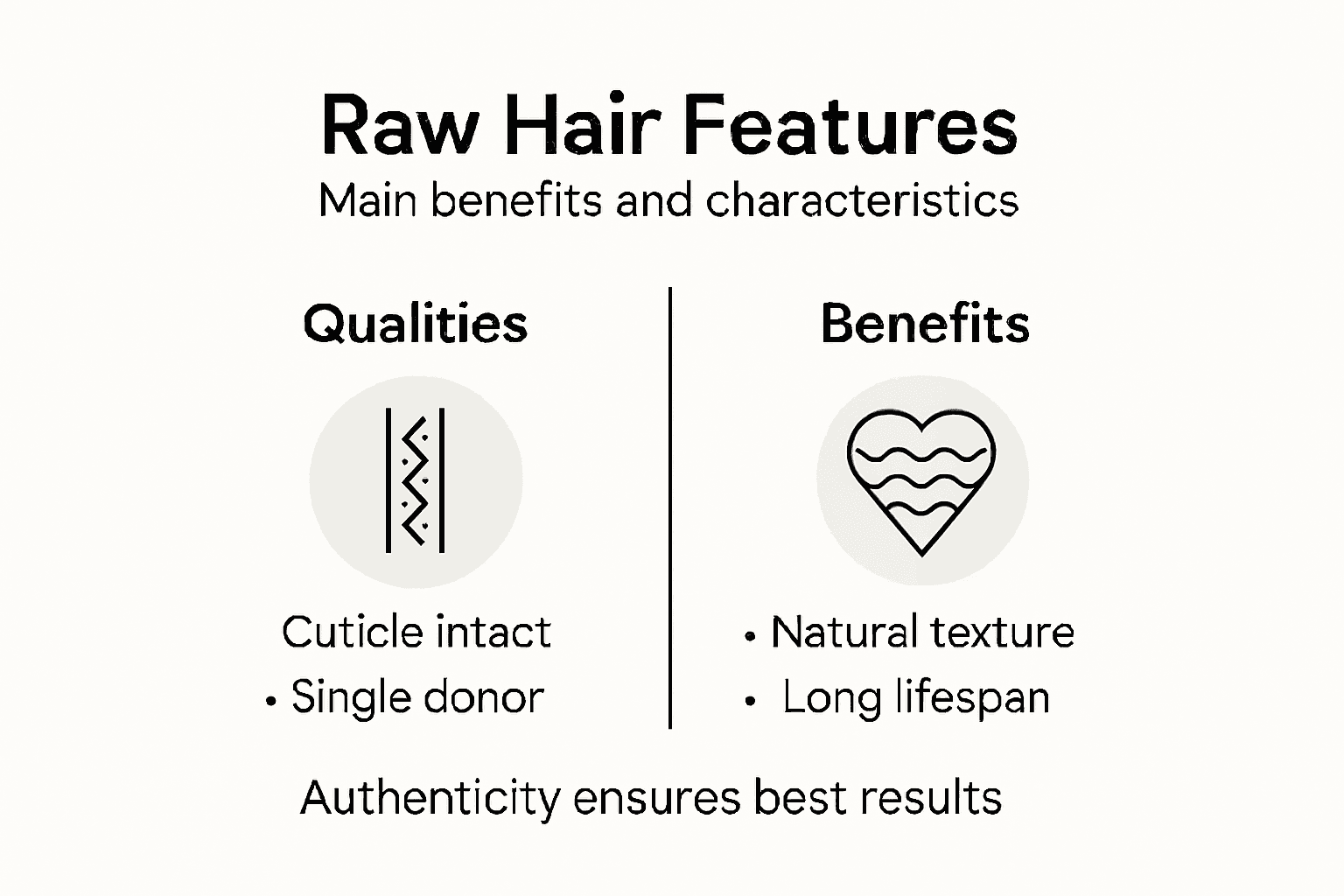
Understanding genetic variations helps explain why hair textures differ dramatically across ethnic backgrounds. Hair follicle shape and protein biomarker patterns contribute to unique characteristics, with African, Asian, and European hair types exhibiting remarkable differences in curvature, diameter, and elasticity.
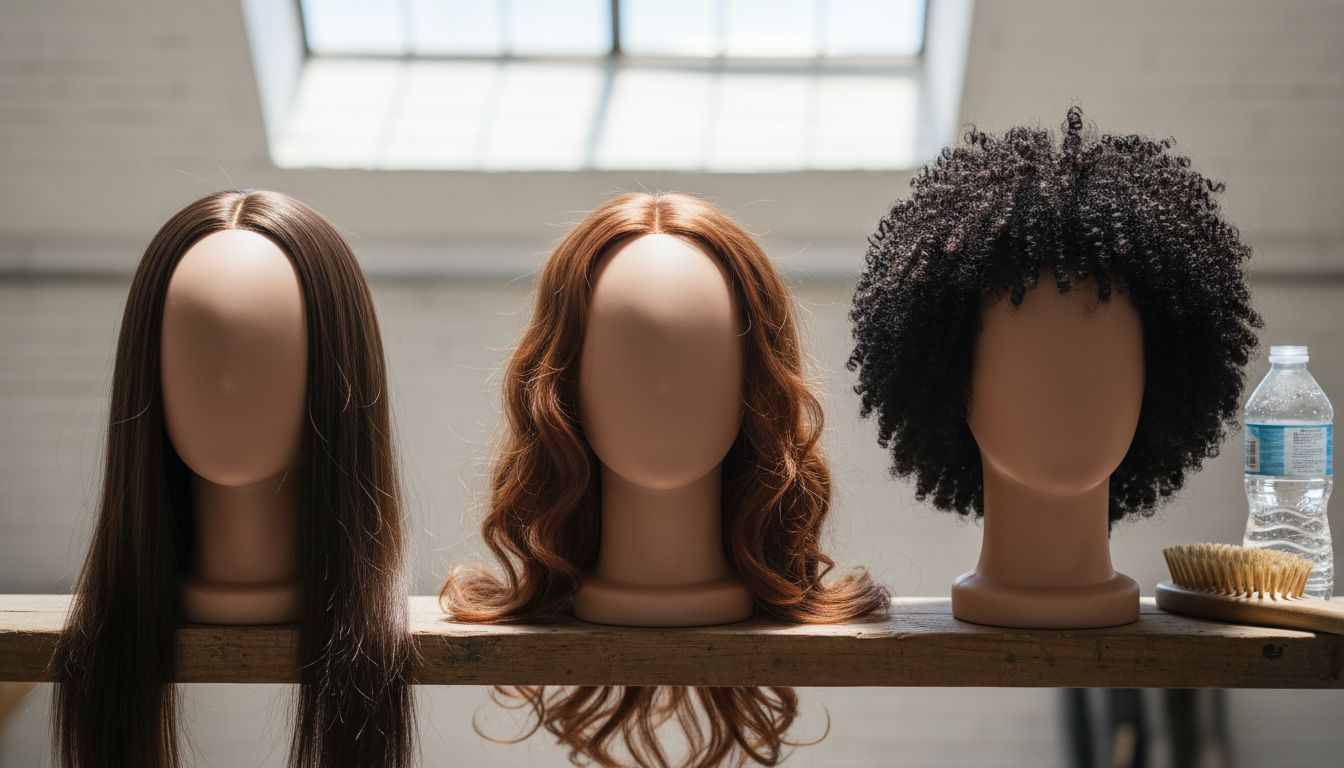
To better understand the unique features of natural hair textures, see this summary:
| Texture Type | Follicle Shape | Common Regions | Natural Resilience |
|---|---|---|---|
| Straight | Round | East Asian, European | Highly resistant |
| Wavy | Oval | Mediterranean | Good elasticity |
| Curly | Elliptical | African, Caribbean | High flexibility |
| Coiled/Kinky | Flat, ribbon-like | Sub-Saharan African | Maximum shrinkage |
Hair is not just a cosmetic feature, but a complex biological structure reflecting genetic heritage and individual uniqueness.
Pro tip: Select hair extensions that closely match your natural hair texture to ensure the most seamless and authentic appearance.
Ethical sourcing and collection practices
Complex ethical considerations define the human hair industry, revealing a nuanced landscape of economic opportunity and potential exploitation. Ethical sourcing represents a comprehensive approach that prioritizes donor dignity, fair compensation, and transparent collection practices.
Key principles of responsible hair collection include:
- Informed and voluntary donor consent
- Fair financial compensation
- Transparent sourcing documentation
- Hygienic and safe collection processes
- Prohibition of child labor
- Respect for cultural donation practices
Many hair donations originate from culturally significant practices, such as temple rituals in India, where hair is traditionally offered as a spiritual gesture. However, the industry must remain vigilant about preventing economic coercion and ensuring that donors receive appropriate economic benefits for their contributions.
Transparency becomes crucial in creating an accountable supply chain. Responsible manufacturers must implement rigorous verification processes that trace hair from donation to final product, guaranteeing ethical treatment throughout the entire collection and processing journey.
Ethical sourcing is not just a practice, but a commitment to human dignity and economic empowerment.
Pro tip: Always request comprehensive documentation about hair sourcing to ensure you’re supporting ethical and sustainable hair extension practices.
Frequently asked questions and buyer mistakes
Navigating the world of raw human hair extensions can be complex, with numerous potential pitfalls for uninformed buyers. Hair extension purchasing requires careful consideration and understanding of key quality indicators to ensure a successful investment.
Common buyer mistakes include:
- Prioritizing price over quality
- Ignoring hair origin documentation
- Failing to verify cuticle alignment
- Overlooking proper hair maintenance requirements
- Purchasing without understanding texture compatibility
- Neglecting to check return and warranty policies
Frequent questions from consumers often revolve around durability, styling versatility, and long-term value. Buyers typically want to understand how raw human hair differs from synthetic alternatives and what maintenance practices will preserve their investment. The most critical considerations include verifying the hair’s authentic sourcing, understanding its natural characteristics, and implementing appropriate care techniques.
Misconceptions about raw human hair can lead to unrealistic expectations and poor purchasing decisions. Many buyers assume all human hair extensions are identical, when in reality, significant variations exist in quality, processing, and longevity. Educating oneself about the nuanced differences between hair types is essential for making an informed selection.
Not all human hair extensions are created equal - knowledge is your most valuable asset in finding the perfect match.
Pro tip: Request detailed documentation about hair sourcing and conduct a thorough tactile and visual inspection before finalizing your purchase.
Discover the True Beauty of Authentic Raw Human Hair Extensions
The article highlights the challenges of finding truly unprocessed, single-donor raw human hair that maintains natural cuticle alignment and texture. If you are looking to elevate your style with long-lasting, natural-looking hair that reflects your unique beauty, understanding these details is crucial. Gaurash Hair specialises in premium Indian Raw Hair Bundles – 100% South Indian Temple Hair – Gaurash Beauty Supply, sourced ethically and crafted to preserve all the qualities that make raw hair so exceptional.
Experience the unmatched softness, durability, and authenticity of raw hair extensions designed to enhance your natural look with minimal intervention. Join countless beauty enthusiasts and professionals who trust Gaurash Hair for their luxurious hair needs. Explore our full range of Raw Hair bundles – Gaurash Beauty Supply and find the perfect match for your texture and style. Visit us today at https://gaurashhair.com and take the first step toward achieving flawless, natural hair that empowers your confidence now.
Frequently Asked Questions
What is raw human hair, and how is it different from processed hair?
Raw human hair is unprocessed hair sourced directly from a single donor, maintaining its original cuticle structure and natural integrity. Unlike processed hair, which undergoes chemical treatments, raw hair remains in its most natural state, ensuring superior longevity and authenticity.
What are the different types of human hair extensions?
The primary types of human hair extensions include raw hair (completely unprocessed), virgin hair (unprocessed but may come from multiple donors), Remy hair (cuticles aligned with minimal processing), and non-Remy hair (mixed sources and more heavily processed). Raw hair represents the highest quality option among these.
How can I ensure I’m purchasing authentic raw human hair?
To ensure you’re purchasing authentic raw human hair, always verify the sourcing documentation from the supplier. Look for details on the donation process, cuticle alignment, and minimal processing to confirm authenticity.
What maintenance do raw human hair extensions require?
Raw human hair extensions require regular care, including washing with sulfate-free shampoos, using deep conditioners, and avoiding excessive heat. It’s essential to follow maintenance tips from suppliers to keep the hair looking natural and prolong its lifespan.
Recommended
- Raw Hair Explained: Purity and Lasting Beauty – Gaurash Beauty Supply
- Indian Raw Hair Manufacturer: Quality, Sourcing, Impact – Gaurash Beauty Supply
- Why Choose Natural Hair Extensions for Lasting Beauty – Gaurash Beauty Supply
- 7 Advantages of Virgin Hair for Premium Extensions – Gaurash Beauty Supply