
What is hair extension durability? A 2026 expert guide
Many people assume all hair extensions last roughly the same amount of time, but this belief couldn’t be further from reality. Durability varies dramatically based on hair type, application method, and how well you maintain your extensions. Understanding these factors helps you make smarter choices and get the most value from your investment. This guide breaks down what truly affects extension lifespan, compares different types and methods, and shares practical maintenance strategies to keep your extensions looking beautiful for months.
Table of Contents
- How Hair Type Affects Extension Durability
- The Role of Application Methods in Hair Extension Longevity
- Maintaining Your Hair Extensions for Maximum Durability
- Comparing Hair Extension Options for Durability and Care
- Explore High Quality Hair Extensions for Lasting Beauty
- Frequently Asked Questions
Key takeaways
| Point | Details |
|---|---|
| Hair quality matters most | Human hair extensions last 6 to 12 months whilst synthetic versions typically survive only weeks to a few months |
| Application affects longevity | Different methods from clip ins to fusion bonds offer varying lifespans ranging from temporary daily wear to several months of continuous use |
| Maintenance is non negotiable | Regular professional care and gentle products dramatically extend extension life whilst harsh treatment shortens it significantly |
| Professional installation protects investment | Expert application reduces damage risk and maximises durability compared to DIY attempts |
| Material choice impacts versatility | Remy and virgin human hair provide superior styling options and resilience compared to synthetic alternatives |
How hair type affects extension durability
The material you choose for your extensions fundamentally determines how long they’ll last and how well they’ll perform. Human hair extensions generally last 6 to 12 months with proper care, whilst synthetic versions survive only a few weeks to a few months maximum. This dramatic difference stems from the biological structure and processing of the hair itself.
Remy human hair represents a premium category where all cuticles align in the same direction, just as they grow naturally on the scalp. This aligned cuticle structure reduces tangling and matting significantly, which directly translates to longer lifespan and easier maintenance. When cuticles point the same way, hair strands glide past each other smoothly rather than catching and knotting. Virgin hair takes quality even further by remaining completely unprocessed, meaning it hasn’t been exposed to chemicals, dyes, or heat treatments that compromise structural integrity.
Synthetic extensions cost considerably less upfront but offer limited styling flexibility and durability. You cannot heat style most synthetic fibres without melting them, and they respond poorly to humidity and friction. The plastic based materials break down faster than biological keratin, especially with regular washing and styling. For occasional wear or costume purposes, synthetic options work adequately, but anyone seeking lasting results should invest in human hair.
Proper care dramatically affects longevity regardless of hair type. Even the highest quality virgin Remy hair will deteriorate quickly if you subject it to harsh chemicals, excessive heat, or rough handling. Conversely, well maintained synthetic extensions might last slightly longer than their typical short lifespan. Understanding your hair type helps you set realistic expectations and choose appropriate care routines.
Pro Tip: Always ask your supplier about the specific grade and processing of human hair extensions before purchasing, as quality varies widely even within the Remy category.
Key factors distinguishing hair types:
- Human hair accepts heat styling, colouring, and chemical treatments just like natural hair
- Remy hair maintains cuticle alignment for smoother texture and reduced tangling
- Virgin hair offers maximum durability due to zero chemical processing
- Synthetic fibres cost less initially but require replacement much sooner
- Processing history directly impacts how extensions respond to styling and environmental factors
Choosing between these options depends on your budget, styling needs, and how long you plan to wear extensions. For anyone committed to wearing extensions regularly, human hair provides better value over time despite higher upfront costs.
The role of application methods in hair extension longevity
How your extensions attach to your natural hair significantly influences both their functional lifespan and the health of your own hair underneath. Each application method offers distinct advantages and maintenance requirements that affect overall durability.
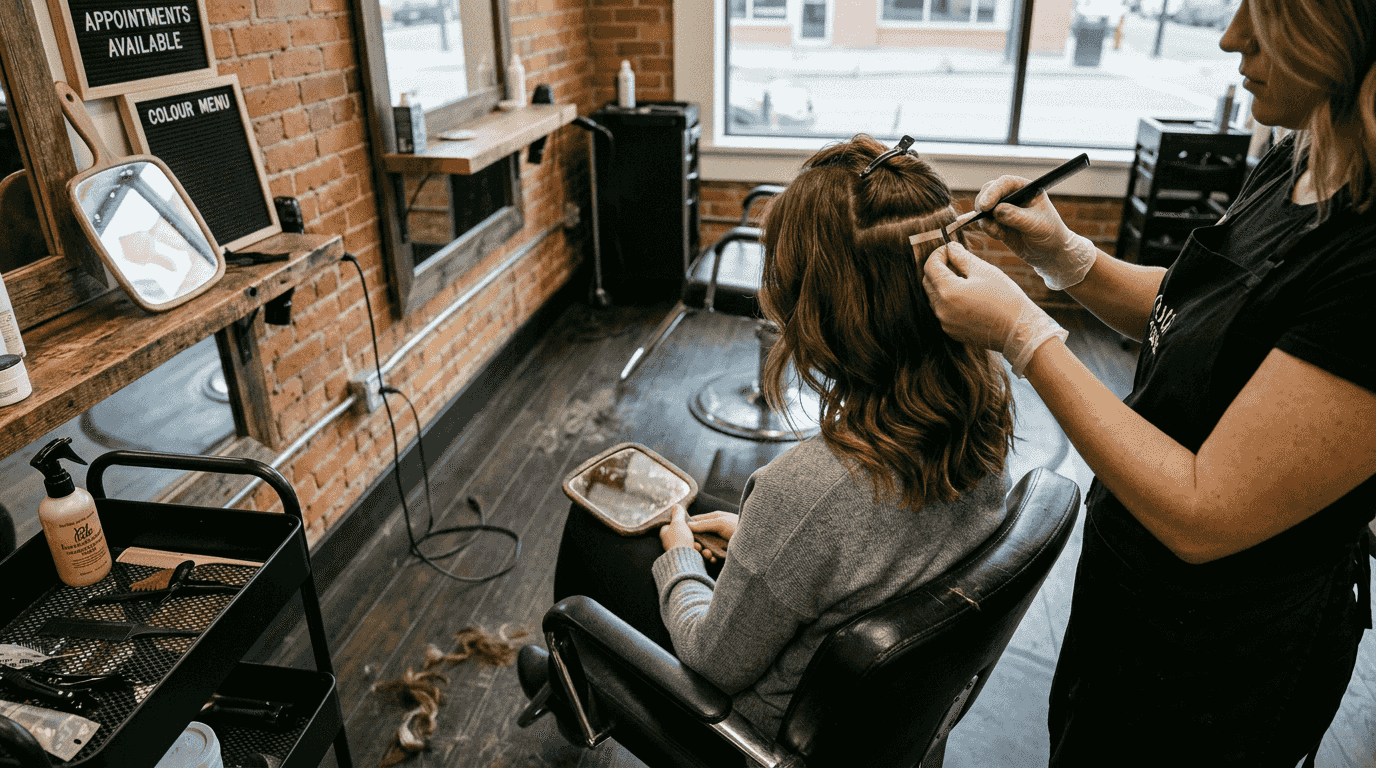
Clip in extensions provide the most flexibility, allowing you to remove them nightly and reuse them for 6 to 12 months with proper care. Because you take them out regularly, they experience less continuous stress from sleeping, showering, and daily activities. This intermittent wear pattern extends their usable life considerably compared to permanent methods. However, the clips themselves can weaken over time and may need replacement.
Tape in and sew in methods require professional reapplication every 6 to 8 weeks as your natural hair grows and pushes the attachment points away from your scalp. Whilst each installation cycle lasts only about two months, the actual hair wefts can be reused multiple times, potentially lasting 9 to 12 months total if you maintain them well between applications. The regular maintenance appointments allow your stylist to inspect the extensions and your natural hair for any damage.
Fusion bonds involve attaching individual strands using keratin or similar adhesives, creating a very natural look that lasts 2 to 6 months per application. These bonds gradually loosen as natural hair grows and sheds, requiring professional removal to prevent matting and damage. The application process takes considerable time and skill, making professional installation critical for both initial results and long term hair health.
Pro Tip: Schedule your maintenance appointments proactively rather than waiting until extensions feel loose or uncomfortable, as delayed maintenance increases damage risk to both extensions and natural hair.
Comparison of application methods:
| Method | Initial lifespan | Reusability | Maintenance frequency | Damage risk |
|---|---|---|---|---|
| Clip ins | 6 to 12 months | High | Daily removal | Low |
| Tape ins | 6 to 8 weeks | Moderate | Every 6 to 8 weeks | Low to moderate |
| Sew ins | 6 to 8 weeks | Moderate | Every 6 to 8 weeks | Moderate |
| Fusion bonds | 2 to 6 months | Low | Every 2 to 6 months | Moderate to high |
Installation quality matters as much as the method itself. Poorly applied extensions pull unevenly on natural hair, causing breakage and traction damage that shortens both extension life and your hair’s health. Professional stylists understand proper tension, placement, and sectioning to distribute weight evenly. They also use appropriate products and tools that won’t compromise bond integrity.
Steps for maximising application method longevity:
- Research experienced extension specialists in your area before booking installation
- Discuss your lifestyle and styling habits to choose the most suitable method
- Follow your stylist’s specific aftercare instructions for your chosen application type
- Book maintenance appointments at recommended intervals without delay
- Have extensions professionally removed rather than attempting DIY removal
Different methods suit different lifestyles and commitment levels. If you want occasional volume for special events, clip ins offer convenience and longevity. For continuous wear and a seamless look, tape ins or sew ins provide excellent durability with regular maintenance. Understanding these distinctions helps you select the method that aligns with your needs and maximises your investment.
Maintaining your hair extensions for maximum durability
Even the highest quality extensions installed by experts will fail prematurely without proper ongoing care. Your maintenance routine directly determines whether your extensions reach their maximum potential lifespan or deteriorate within weeks.
Harsh shampoos and conditioners containing sulfates, alcohols, or heavy silicones significantly reduce extension lifespan by stripping natural oils, drying out hair fibres, or creating buildup that weakens bonds. Choose sulfate free formulas specifically designed for extensions or colour treated hair. These gentler products clean effectively without compromising hair structure or attachment integrity. Apply conditioner from mid length to ends only, avoiding the attachment points where it can loosen bonds.
Heat styling damages extensions just as it harms natural hair, causing cuticle lifting, protein breakdown, and moisture loss. Limit flat iron and curling iron use to special occasions, and always apply heat protectant spray beforehand. Keep temperature settings below 180 degrees Celsius for human hair extensions. Air drying whenever possible extends lifespan considerably compared to daily blow drying.
Regular professional maintenance appointments allow your stylist to tighten loose bonds, trim split ends, and assess overall condition before minor issues become major problems. These check ins typically occur every 6 to 8 weeks depending on your application method and hair growth rate. Skipping appointments to save money usually backfires, as neglected extensions require earlier full replacement.
Moisture management proves especially critical for weft based extensions. Thoroughly drying weft bases after washing prevents mildew, odour, and bond weakening that occurs when water sits trapped against your scalp. Use a blow dryer on cool or low heat to dry the attachment area completely, even if you air dry the length. This simple step prevents numerous durability issues.
Pro Tip: Braid or loosely tie your extensions before sleeping to minimise tangling and friction against pillowcases, which gradually wears down hair cuticles and shortens lifespan.
Essential maintenance practices:
- Wash extensions only 2 to 3 times weekly rather than daily to reduce wear
- Detangle gently from ends upward using a wide tooth comb or loop brush
- Avoid swimming in chlorinated or salt water without protective measures
- Apply leave in conditioner or hair oil to ends regularly to prevent dryness
- Store clip in extensions properly on hangers or in boxes when not wearing them
Recognising warning signs helps you address problems before they cause permanent damage. Excessive shedding, visible matting near bonds, persistent itching, or unusual odours all indicate issues requiring immediate professional attention. Traction alopecia, a form of hair loss caused by prolonged tension, can develop if extensions pull too tightly on natural hair. Discomfort should never be ignored as normal.
Your daily habits impact durability as much as specific care products. Sleeping with wet extensions, roughly towel drying, or using metal hair accessories near attachment points all accelerate wear. Small adjustments to your routine, like switching to silk pillowcases or scrunchies, protect your investment without requiring significant effort. These maintenance fundamentals separate extensions that last their full potential lifespan from those requiring premature replacement.
Comparing hair extension options for durability and care
Understanding how different combinations of hair type and application method affect durability helps you make informed decisions aligned with your priorities and lifestyle. No single option works best for everyone, but certain patterns emerge when comparing longevity and maintenance needs.
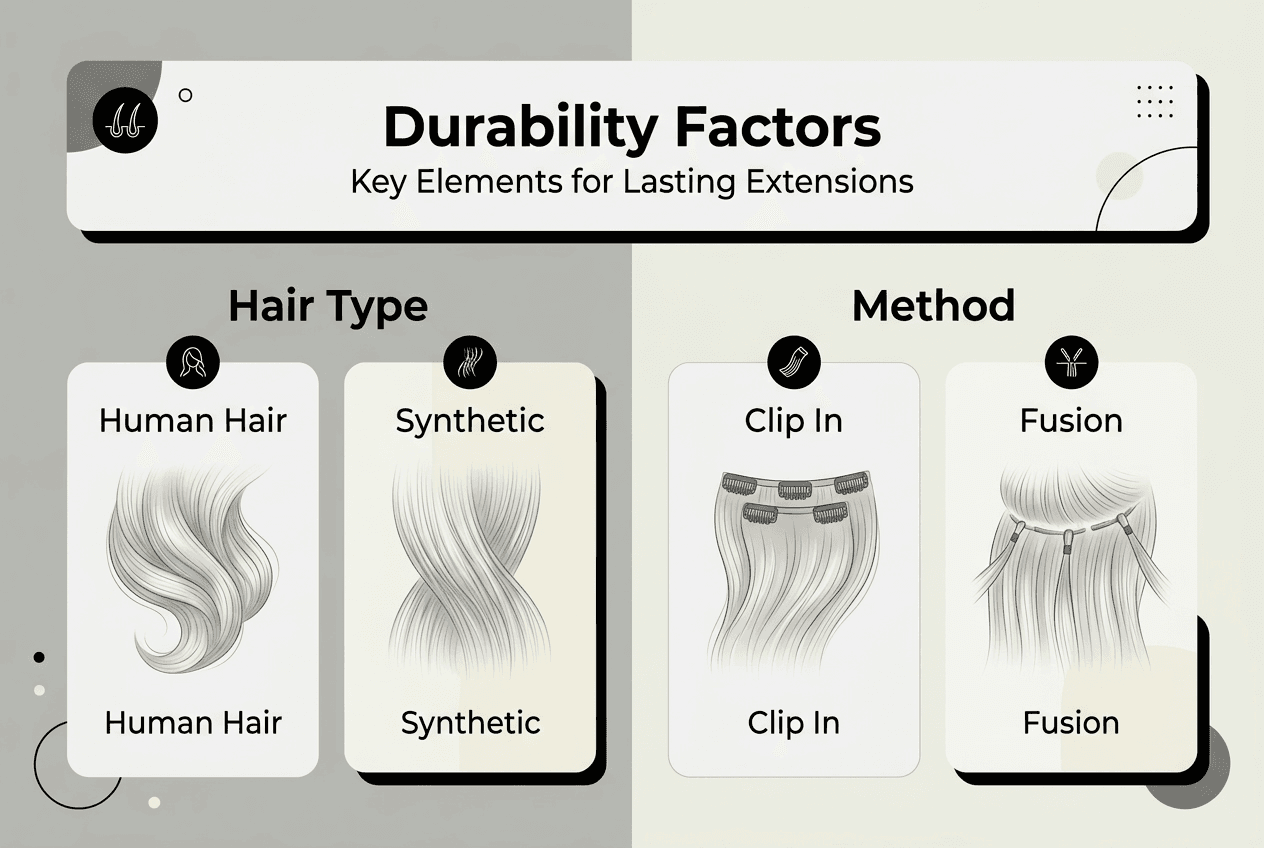
Remy human hair consistently outperforms other materials across all application methods, offering the optimal balance of durability, styling versatility, and natural appearance. The aligned cuticle structure resists tangling and maintains shine longer than non Remy human hair or synthetic alternatives. When properly maintained, Remy hair reaches the upper end of lifespan ranges regardless of whether you choose clip ins, tape ins, or fusion bonds.
Synthetic extensions serve specific purposes despite their shorter lifespan. For costume wear, temporary colour experimentation, or extremely budget conscious situations, synthetic options provide acceptable short term solutions. However, the durability differences are substantial, with synthetic extensions typically lasting 1 to 3 months maximum compared to 6 to 12 months or more for human hair.
Application methods create a secondary layer of durability variation. Clip ins offer maximum longevity potential because you remove them regularly, reducing cumulative stress. Semi permanent methods like tape ins and sew ins balance durability with convenience, requiring maintenance every 6 to 8 weeks but allowing the hair itself to be reused multiple times. Fusion bonds provide the most seamless appearance but demand careful maintenance and professional removal to avoid damage.
Durability and care comparison:
| Hair type | Best application | Average lifespan | Maintenance level | Styling flexibility |
|---|---|---|---|---|
| Virgin Remy human | Any method | 9 to 12 months | Moderate | Excellent |
| Standard human | Clip ins or tape ins | 6 to 9 months | Moderate | Good |
| Synthetic | Clip ins only | 1 to 3 months | Low | Limited |
| Non Remy human | Temporary methods | 3 to 6 months | High | Fair |
Professional involvement remains crucial regardless of which combination you select. DIY installation and removal attempts frequently cause damage that shortens extension life and harms natural hair. The cost of professional services represents an investment in longevity rather than an optional expense. Experienced stylists understand proper techniques that protect both extensions and your biological hair.
Key selection factors:
- Budget constraints versus long term value calculations
- Desired wearing frequency and duration
- Styling versatility requirements
- Natural hair health and thickness
- Willingness to commit to maintenance schedules
Your lifestyle should guide your choice more than any single factor. Active individuals who swim frequently or exercise intensely daily might find clip ins more practical than semi permanent options. Someone seeking continuous wear for a special extended period like a wedding season might prefer tape ins or sew ins despite more frequent maintenance. Matching extension characteristics to your actual habits maximises both satisfaction and practical durability.
The intersection of quality, method, and care determines real world longevity. Premium virgin Remy hair installed professionally and maintained diligently can exceed typical lifespan estimates, whilst lower quality extensions with poor care fail before reaching minimum expected duration. Understanding these relationships empowers you to optimise your extension experience.
Explore high quality hair extensions for lasting beauty
Now that you understand what makes extensions durable, you can make confident choices about products that deliver genuine longevity. Our collection focuses exclusively on premium Remy and virgin human hair sourced ethically from India, ensuring you receive extensions built to last with proper care. Each bundle undergoes minimal processing to preserve natural strength and lustre.
Choose from virgin Indian straight, wavy, or curly textures that match your natural hair seamlessly whilst offering the durability advantages discussed throughout this guide. Professional hairstylists trust our quality for client satisfaction and styling versatility that lasts. Explore options designed specifically to maximise lifespan when paired with expert installation and the maintenance practices you’ve learned here.
Frequently asked questions
What is hair extension durability?
Hair extension durability refers to how long extensions maintain their quality, appearance, and functionality before requiring replacement. Primary factors controlling durability include hair type quality, application method, maintenance routine, and styling practices. Human hair extensions typically last 6 to 12 months whilst synthetic versions last only weeks to a few months.
How often should I maintain my hair extensions?
Maintenance frequency depends on your application method and hair growth rate. Tape ins and sew ins require professional reapplication every 6 to 8 weeks as your natural hair grows. Fusion bonds need attention every 2 to 6 months. Clip in extensions need thorough cleaning and conditioning every few weeks but no professional maintenance between uses.
What are signs my extensions need removal?
Excessive shedding beyond normal amounts, visible matting near attachment points, persistent scalp itching or discomfort, unusual odours, or loose bonds that slip easily all indicate extensions require professional attention or removal. Ignoring these warning signs risks damaging your natural hair and shortening extension lifespan further.
Why do human hair extensions last longer than synthetic?
Human hair contains natural keratin protein structure that withstands styling, washing, and environmental factors better than synthetic plastic based fibres. Human hair also accepts heat styling and chemical treatments without melting or immediate degradation. The biological composition simply proves more resilient than manufactured alternatives under normal use conditions.
Does professional installation really affect durability?
Professional installation dramatically impacts durability by ensuring proper tension distribution, correct placement, and appropriate bonding techniques that prevent premature loosening or damage. Experts understand how to protect your natural hair whilst maximising extension lifespan. DIY attempts frequently result in uneven stress, weak bonds, and damage requiring earlier replacement.
Recommended
- What makes hair extensions durable: expert guide 2026 – Gaurash Beauty Supply
- Top Hair Extension Longevity Tips for Lasting Results – Gaurash Beauty Supply
- Understand Indian hair extension durability in 2026 – Gaurash Beauty Supply
- Hair Extension Longevity: Key Factors and Success – Gaurash Beauty Supply