

Why Choose Virgin Hair for Luxurious Style
Finding the perfect hair extensions often means sifting through confusing labels and marketing claims. For beauty lovers who want the best, understanding what truly sets unprocessed Indian virgin hair apart is key to investing in quality every time. When you know the real difference between virgin, Remy, and processed hair, you protect your look, your wallet, and your confidence with every bundle you buy.
Table of Contents
- Virgin Hair Defined And Common Misconceptions
- Types, Textures, And Global Origins Explained
- Key Features: Quality, Longevity, And Styling
- Virgin Hair Versus Remy And Processed Hair
- Cost, Value, And Common Buying Mistakes
Key Takeaways
| Point | Details |
|---|---|
| Understanding Virgin Hair | Virgin hair is unprocessed and has never been chemically treated, ensuring intact cuticles for strength and shine. |
| Myths and Misconceptions | Common myths include that virgin hair is fragile or won’t hold styles, but it is durable and retains curls effectively. |
| Sourcing and Quality | Authentic virgin hair comes from trusted suppliers with ethical sourcing, affecting its longevity and overall value. |
| Investment vs. Cost | While virgin hair may have a higher upfront cost, its durability and performance over time make it a more economical choice. |
Virgin Hair Defined and Common Misconceptions
When you start researching hair extensions, the term “virgin hair” gets thrown around constantly. But here’s the thing: most people don’t actually understand what makes it different from other hair types available on the market. Virgin hair refers to unprocessed, uncoloured human hair that has never been chemically treated, bleached, dyed, or permed. It comes directly from donors and retains its natural cuticle structure intact, running in the same direction from root to tip. This matters because it’s what gives the hair its strength, longevity, and that coveted natural shine that processed alternatives simply cannot match.
The confusion begins when you compare virgin hair to terms like “raw hair” or “remy hair,” which sound interchangeable but aren’t quite the same thing. Raw hair is essentially unprocessed and untreated, similar to virgin hair, but the cuticle alignment might not be as carefully preserved. Remy hair has its cuticles aligned in one direction, which is great, but it may have been dyed or treated before reaching you. Virgin hair meets both criteria: it’s raw, unprocessed, and maintains perfect cuticle alignment. Understanding the difference between hair grades helps you make informed decisions rather than settling for marketing hype.
Now let’s tackle the misconceptions that trip up customers regularly. One major myth is that virgin hair won’t hold curls or styles well, which couldn’t be further from the truth. Because the cuticles are pristine and undamaged, virgin hair actually holds styles longer than processed hair and accepts curls beautifully. Another common belief is that virgin hair is fragile and requires extreme care. While it does benefit from proper maintenance, quality virgin hair from reputable sources like Gaurash Hair is remarkably durable and can last 2 to 3 years with standard care routines. People also mistakenly think virgin hair costs significantly more because it’s “better,” when in reality, the pricing reflects the quality sourcing, ethical practices, and genuine unprocessed nature of the product. Some customers believe they can identify virgin hair just by looking at it, but actually, professional evaluation of the cuticle structure under proper conditions is what determines authenticity. The most dangerous misconception? That all virgin hair is created equally. Sourcing methods, donor care, and processing conditions vary dramatically between suppliers, which is why choosing a trusted provider matters enormously for your investment.
Pro tip: When shopping for virgin hair, ask your supplier for detailed information about the source, cuticle direction, and any treatments applied post-harvest; genuine virgin hair providers are transparent about their entire process and happy to answer these questions.
Types, Textures, and Global Origins Explained
Virgin hair comes in three primary textures, each with its own aesthetic appeal and styling versatility. Straight hair offers a sleek, polished look that works for professional settings or anyone wanting a clean silhouette. Wavy hair sits in the middle ground, providing natural volume and movement without the commitment of tighter curls. Curly hair delivers bounce, texture, and that coveted full-bodied aesthetic that many women chase through heat styling. What’s crucial to understand is that texture isn’t just about appearance. Straight hair tends to show length more dramatically, wavy hair blends beautifully with most natural hair types, and curly hair requires specific care to maintain its curl pattern and prevent frizz. The texture you choose should align with your lifestyle, styling skills, and how much time you’re willing to invest in maintenance.
Now, the origin story behind your hair matters far more than most people realize. Indian virgin hair dominates the global market for good reason. Hair sourced from India tends to have a naturally strong cuticle structure, thick strands, and excellent colour retention. Indian hair adapts well to various styling techniques and holds curl memory beautifully. Understanding how sourcing affects hair quality reveals why Indian suppliers like Gaurash Hair command such attention from beauty professionals. Other regions produce quality hair too. Brazilian hair is known for being silky and versatile, often naturally wavy. Peruvian hair tends to be thicker with more texture. Malaysian hair sits somewhere between Indian and Brazilian in terms of thickness and smoothness. Vietnamese hair is fine and lightweight, perfect if you prefer a delicate feel. However, Indian hair specifically dominates because the donor population has centuries of natural hair care traditions, resulting in hair that’s simply superior in cuticle alignment and overall health before processing even begins.
Beyond the three main textures, you’ll encounter variations within each category. Some suppliers offer body wave hair, which is straight with subtle waves that add movement without full curl. There’s also deep wave and loose wave, which provide different levels of texture intensity. The origin of your hair affects how these textures behave. Indian straight hair, for instance, stays straighter longer than Brazilian straight hair, which naturally wants to wave slightly. This is where brand reputation becomes your best friend. Quality suppliers track their hair by both texture type and origin, providing detailed information so you know exactly what you’re purchasing. When you buy from Gaurash Hair, you’re getting transparency about both texture and sourcing, which means predictable results and hair that performs exactly as promised.
This summary shows the main qualities of global origins for virgin hair:
| Origin | Typical Texture | Strand Thickness | Styling Strength |
|---|---|---|---|
| Indian | Naturally straight or wavy | Medium to thick | Excellent curl retention |
| Brazilian | Often wavy and silky | Medium | High versatility |
| Peruvian | Textured and thick | Thicker | Resistant to humidity |
| Malaysian | Smooth and shiny | Medium to thick | Holds volume well |
| Vietnamese | Fine and lightweight | Fine | Easily styled and blended |
Pro tip: Match your chosen texture and origin to your climate and maintenance routine; if you live in humidity, Indian straight hair might frizz more than Brazilian wavy hair, so consider your environment when selecting your texture type.
Key Features: Quality, Longevity, and Styling
Quality in virgin hair comes down to one thing: how well the cuticles are preserved and aligned. When you run your fingers through authentic virgin hair, you’re feeling the result of meticulous sourcing and handling. The cuticles should feel smooth in one direction and slightly textured in the other, similar to how your natural hair feels. This alignment is what prevents tangling, matting, and that dreaded frizz that plagues lower quality extensions. High quality virgin hair has a lustrous shine that catches light beautifully because those intact cuticles reflect light uniformly. You can actually see the difference when comparing premium virgin hair to processed alternatives. The hair feels substantial, not papery or brittle. Weight distribution is even throughout the bundle, not clumpy or inconsistent. When you examine the roots, they should show natural variation in colour and texture, not uniformity that screams artificial processing. This is why sourcing from reputable suppliers matters so intensely. Not all virgin hair is equal, and understanding what defines premium hair quality protects your investment.
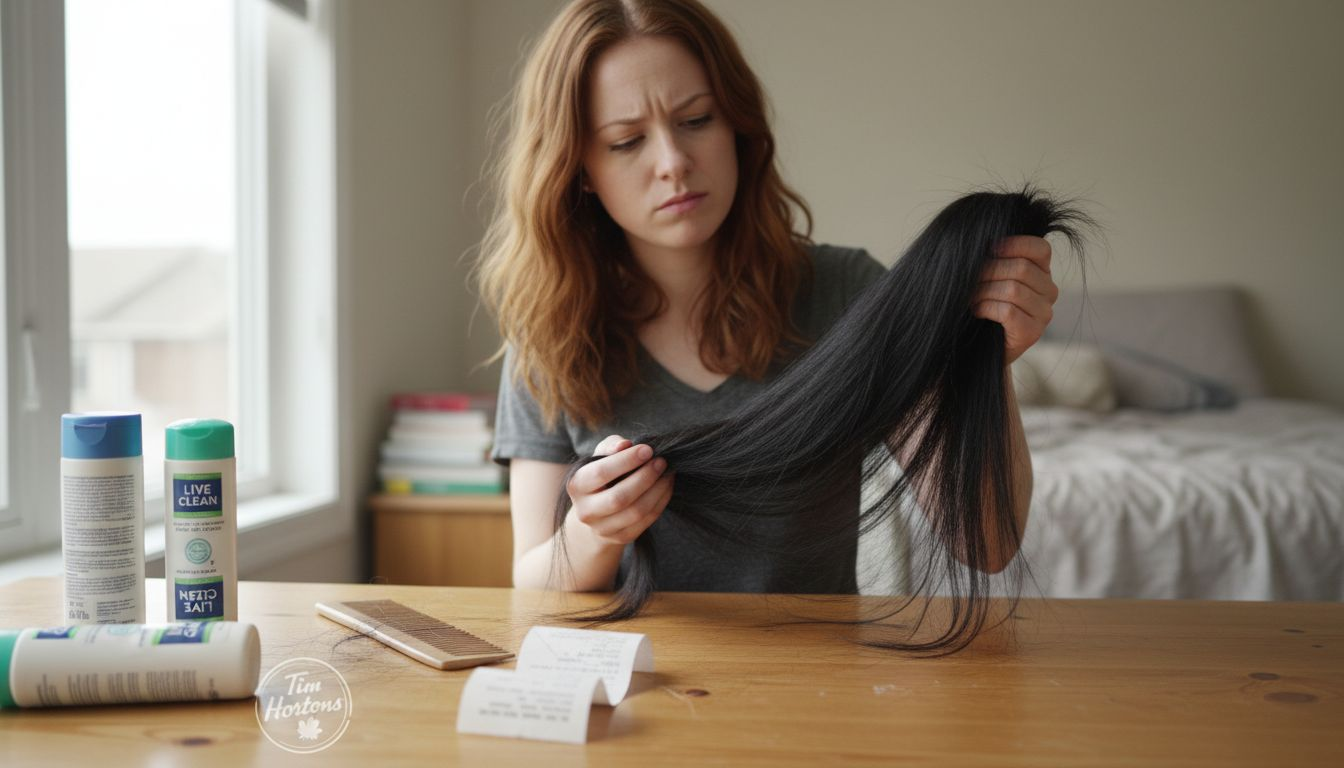
Longevity is where virgin hair truly shines compared to synthetic or heavily processed options. Quality virgin hair lasts between 2 to 3 years with proper care, while some customers report wearing the same bundles for even longer. This lifespan assumes you’re following basic maintenance routines: washing with sulphate free shampoo, deep conditioning regularly, and avoiding excessive heat. The reason virgin hair outlasts processed hair is simple: the cuticles remain intact and protected, so the hair maintains its structural integrity over time. It doesn’t become dry, brittle, or weak after a few months of wear. You can restyle it repeatedly without degradation. You can colour it, blend it with your natural hair, straighten it, curl it. The hair adapts to your styling needs without complaining. That durability translates to actual financial savings. Yes, virgin hair costs more upfront, but when you wear it for 2 to 3 years instead of replacing synthetic hair every 6 months, the mathematics become obvious. You’re paying more for something that lasts substantially longer and performs better throughout its lifespan.
Styling versatility sets virgin hair apart from everything else available. Because the cuticle structure is intact and healthy, virgin hair accepts chemicals and heat styling beautifully. You can bleach it, dye it, straighten it, wave it, curl it with a wand, or braid it without concern. The hair responds like your natural hair would. You can use hot tools without the artificial plastic smell that comes with processed hair. You can swim in salt water or chlorine and the hair remains undamaged. You can sleep on it wet and style it the next morning without issues. This adaptability means one bundle of virgin hair can transform your look multiple times. Monday you’re sleek and straight. Wednesday you’re wavy and romantic. Friday you’re curly and bold. The same hair accommodates all these changes because it’s genuinely versatile, not limited by chemical processing or synthetic materials. Professional stylists choose virgin hair because it gives them complete creative freedom.
Pro tip: Invest in a quality sulphate free shampoo and deep conditioning treatment when you purchase virgin hair; these two products alone will extend your hair’s lifespan by months and maintain that luxurious shine that makes virgin hair worth the investment.
Virgin Hair Versus Remy and Processed Hair
Let’s clear up the confusion once and for all. Virgin hair and Remy hair sound similar, but they’re fundamentally different products. Virgin hair is completely unprocessed human hair collected from a single donor that has never encountered chemicals, dyes, or heat treatments. It arrives in its natural state with every cuticle perfectly intact and aligned. Remy hair, on the other hand, preserves cuticle alignment but may undergo minimal processing such as dyeing or texturising. This distinction matters enormously because it affects how the hair performs, how long it lasts, and what you can do with it. When you understand the differences between virgin and Remy hair, you make better purchasing decisions based on your actual needs rather than marketing terminology.
Processed hair sits at the opposite end of the spectrum entirely. Processed hair has been chemically treated, often multiple times. It may have been bleached, dyed, permed, or relaxed before reaching you. Each chemical process damages the cuticle layer, creating gaps and misalignment. This damage compounds over time because once cuticles are compromised, they don’t regenerate. Processed hair tangles more easily because rough cuticles catch on each other. It becomes dry and brittle because the protective cuticle layer no longer shields the inner hair shaft. Processed hair typically lasts only 4 to 6 months before showing significant degradation, compared to virgin hair lasting 2 to 3 years. The colour fades faster. The texture changes unpredictably. You can’t restyle it as freely because additional heat or chemicals will accelerate deterioration. Many budget conscious shoppers choose processed hair initially, then realise within months that they’ve wasted money on something that doesn’t perform.
The practical differences become obvious when you actually wear these hair types. Virgin hair feels silky and substantial from day one. It holds styles beautifully whether you’re wearing it straight, wavy, or curly. You can swim, sleep on it wet, apply heat, dye it, or braid it without concern. The hair forgives neglect better than other types because the structural integrity is genuinely strong. Remy hair performs reasonably well initially but starts showing wear after several months of styling and washing. It may tangle more frequently than virgin hair, especially if you’re using heat tools regularly. Processed hair immediately feels papery or straw like. It tangles constantly. Styling it requires excessive product and often looks dull even when freshly washed. The colour appears flat or uneven. By week two, most people realise they’ve made a mistake. The financial calculation becomes clear quickly: virgin hair costs more upfront but delivers value across 2 to 3 years of wear, whilst processed hair costs less initially but requires replacement every few months. When you calculate cost per month of actual wearable quality, virgin hair wins decisively.
Here’s what often surprises customers: the price difference between virgin and Remy hair is actually modest. You might pay 15 to 20 percent more for virgin hair compared to Remy, but the performance difference justifies that premium entirely. You’re not paying for a luxury. You’re paying for genuine quality that lasts substantially longer. Processed hair might be cheaper upfront, but it’s essentially false economy because you’ll replace it repeatedly. Quality beauty professionals almost exclusively use virgin hair because they understand that their reputation depends on products that perform reliably. They’ve learned the hard way that cheap processed hair damages client relationships and creates costly refunds or replacements.
Here’s a clear comparison of virgin, Remy, and processed hair types to help your purchasing decision:
| Hair Type | Processing Level | Lifespan | Styling Versatility |
|---|---|---|---|
| Virgin Hair | Unprocessed, natural | 2 to 3 years | Can be coloured and heat styled |
| Remy Hair | Cuticle aligned, possibly dyed | 1 to 2 years | Accepts some heat and colouring |
| Processed Hair | Chemically treated | 4 to 6 months | Limited, may become damaged |
Pro tip: When comparing prices between virgin and Remy hair from different suppliers, calculate the cost per month of wear rather than just looking at the upfront price; virgin hair at a higher initial cost often becomes significantly cheaper when you factor in how long it actually lasts.
Cost, Value, and Common Buying Mistakes
Virgin hair costs more than other hair types, and that’s not a flaw in the pricing. It’s a reflection of reality. Authentic virgin hair comes from a single donor and remains completely unprocessed, which means sourcing it requires ethical practices, careful handling, and verification of authenticity at every step. You’re not just paying for hair. You’re paying for the integrity of the supply chain, the quality assurance processes, and the guarantee that what you’re purchasing is genuinely what the label claims. Budget brands offering virgin hair at rock bottom prices are almost certainly selling something else entirely. When you see virgin hair priced suspiciously low, your instinct should be sceptical. Legitimate suppliers invest heavily in sourcing and authentication because counterfeit hair damages their reputation and creates costly returns. The premium you pay to reputable suppliers like Gaurash Hair reflects their commitment to actual quality, not inflated marketing.
Understanding value means looking beyond the initial price tag. A bundle of virgin hair costs between 50 to 200 Canadian dollars depending on weight, length, and texture. That same bundle lasts 2 to 3 years with proper care, meaning your cost per month of wear is remarkably affordable once you do the mathematics. Compare that to processed hair at 30 to 60 dollars that you replace every 4 to 6 months, and suddenly the virgin hair investment becomes obviously smarter financially. You’re also paying for versatility. One bundle of virgin hair transforms into multiple looks through styling, whereas processed hair’s limited styling options mean you need different bundles for different aesthetics. When you factor in durability, styling flexibility, and long term cost, virgin hair delivers exceptional value. The mistake many customers make is viewing hair purchases as a single transaction rather than an investment in months of wearability.
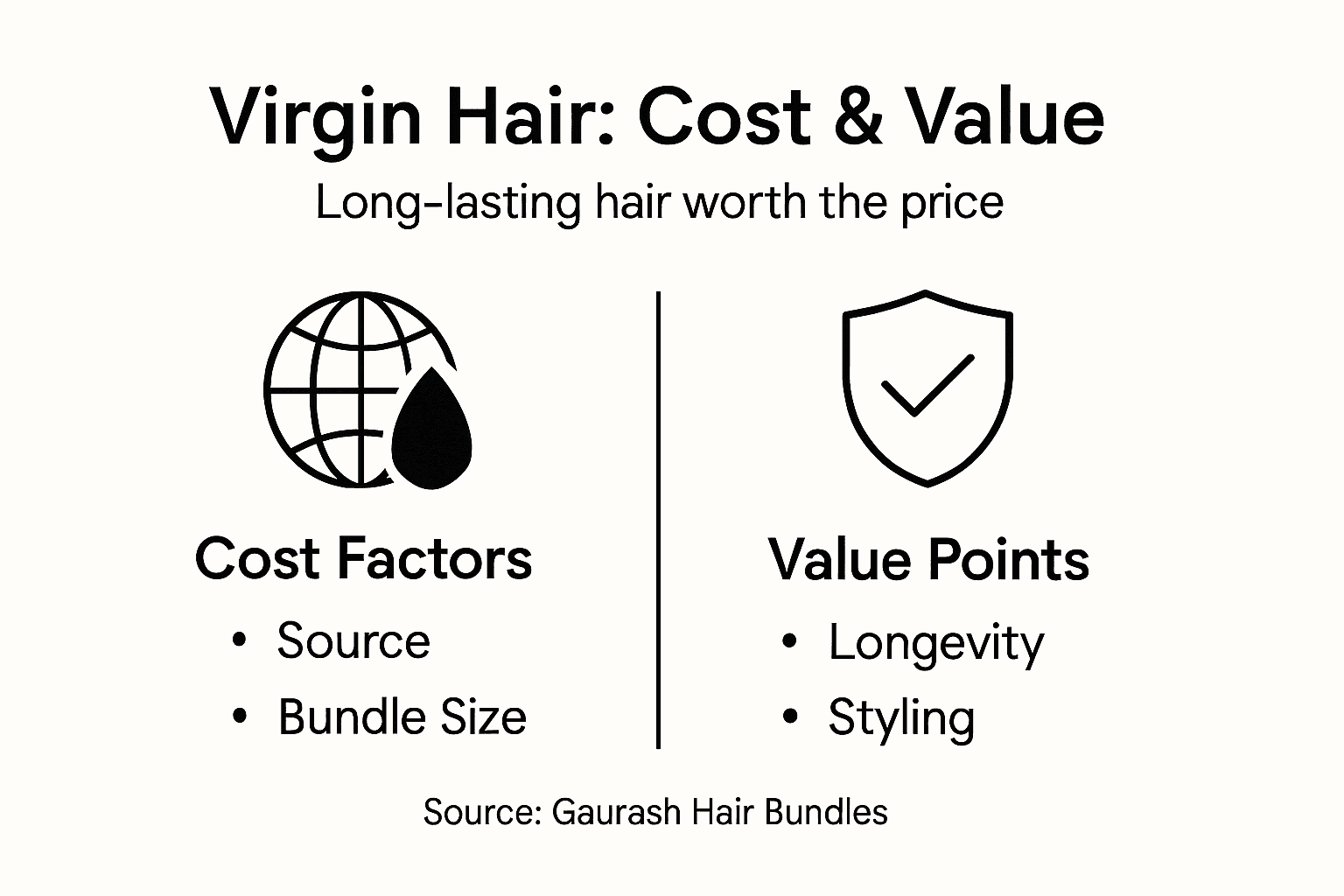
Common buying mistakes cost people money and frustration regularly. The biggest error is purchasing from unverified sellers with no reputation to protect. Counterfeit virgin hair is rampant online, with mislabeled processed hair or synthetic blends marketed as virgin. You might receive hair that’s been chemically treated, contains synthetic fibres, or has cuticles running in mixed directions. These compromised products fail to hold styles properly, tangle excessively, and deteriorate rapidly. Another mistake involves ignoring vendor transparency. Authentic suppliers provide detailed information about virgin hair authenticity, including sourcing methods, cuticle direction verification, and complete documentation of handling practices. If a seller won’t answer your questions or provides vague responses, walk away. People also buy without inspecting samples first. Genuine virgin hair displays consistent natural colour variation and texture within each bundle. If every strand looks identical, that’s a red flag indicating artificial processing or blending. You should feel the hair before committing significant money. Request samples, examine the cuticle alignment by running your fingers in both directions, and assess softness and weight distribution. Budget minded customers sometimes compromise by buying mixed lots or flash sales from unknown sellers, then wonder why their hair performs poorly. This false economy costs far more than purchasing thoughtfully from established suppliers.
Making smart purchasing decisions protects your investment. Start by researching suppliers thoroughly. Read customer reviews, check how long they’ve been operating, and verify they provide detailed product information and authenticity guarantees. Reputable suppliers offer return policies and customer support because they stand behind their products. Inspect hair carefully when it arrives. The roots should show natural variation in colour and texture, not uniformity. The cuticles should feel smooth in one direction and slightly textured in the other. The hair should feel silky and substantial, not papery or brittle. Verify you’re actually receiving what you ordered by checking weight, length, and texture against your purchase specifications. Ask questions before buying. How was the hair sourced? Can they prove cuticle integrity? What is their return policy? Quality suppliers answer these questions eagerly because transparency is their competitive advantage.
Pro tip: Always purchase virgin hair from suppliers who offer return guarantees and detailed product documentation; spending an extra 10 to 15 percent more to buy from established retailers eliminates the risk of receiving counterfeit hair and saves you money compared to discovering problems after weeks of wear.
Discover the Power of Authentic Virgin Hair for Unmatched Style
Choosing virgin hair for your luxurious look means embracing natural strength, long-lasting quality, and effortless styling versatility. This article highlights common challenges like confusion over hair types, durability concerns, and styling limitations. At Gaurash Hair, we solve these issues by offering 100 percent raw Indian virgin hair with perfectly aligned cuticles that ensure minimal tangling and excellent curl retention. Whether you want sleek straight strands or bouncy curls, our meticulously sourced bundles deliver the premium performance and shine you deserve.
Elevate your beauty routine now with our exclusive selection of Virgin Human Hair Bundles | Virgin Hair Bundle | Gaurash Beauty Supply that bring natural softness and durability to your styling experience.
Don’t settle for less when your hair is your crown. Explore our full range at https://gaurashhair.com and enjoy fast global shipping alongside trusted quality you can feel confident in. Invest in hair that lasts and transforms effortlessly. The authentic virgin hair you need is just a click away.
Frequently Asked Questions
What is virgin hair and how is it different from other hair types?
Virgin hair is unprocessed, uncoloured human hair that has never been chemically treated. It retains its natural cuticle structure, which provides strength, longevity, and shine. In contrast, Remy hair may be treated or dyed, while processed hair has undergone chemical alterations that damage the cuticles.
How long does virgin hair typically last compared to other types of hair?
Quality virgin hair can last between 2 to 3 years with proper care, while processed hair usually lasts only 4 to 6 months before showing signs of wear. This longevity makes virgin hair a more economical choice over time.
Can virgin hair hold styles and curls effectively?
Yes, virgin hair holds curls and styles exceptionally well due to its intact cuticle structure. Unlike processed hair, which can struggle to maintain styles, virgin hair adapts easily to various styling techniques, including heat styling and dyeing.
What should I consider when caring for virgin hair to ensure its longevity?
To ensure the longevity of virgin hair, use a sulphate-free shampoo and deep conditioning treatments regularly. Additionally, avoid excessive heat and follow a proper maintenance routine to keep the hair healthy and vibrant.
Recommended
- Loose Curly Flat Hair | Virgin I Tip Hair | Gaurash Beauty Supply
- Indian Wavy Hair | Virgin Wavy Bundles | Gaurash Beauty Supply
- Indian Virgin Hair Frontal | Human Hair Frontal |Gaurash Beauty Supply
- Virgin Burgundy Indian Wavy Hair Bundles – Gaurash Beauty Supply
- Sulfate Free, Argan Oil & Hair Growth Shampoos | LUXEVA Haircare
- Effective Treatment for Virgin Hair Growth: Simple Natural Remedies | MyHair