

How to blend hair extensions for a natural look in 2026
Achieving a seamless blend with hair extensions can feel frustrating when visible lines, colour mismatches, or texture differences give away your secret. Many people struggle to make their extensions look natural, even with premium virgin human hair. This comprehensive guide walks you through preparation, expert blending techniques, common troubleshooting solutions, and maintenance practices that deliver flawless, undetectable results. You’ll learn professional methods for selecting, positioning, and styling extensions that merge perfectly with your natural hair, creating the polished appearance you desire.
Table of Contents
- What You Need Before Blending Hair Extensions
- Step-By-Step Guide To Blending Hair Extensions Seamlessly
- Common Mistakes And Troubleshooting When Blending Extensions
- Achieving And Maintaining A Flawless Natural Blend With Hair Extensions
- Discover Premium Virgin Human Hair Extensions At Gaurash Beauty Supply
- FAQ
Key takeaways
| Point | Details |
|---|---|
| Preparation matters | Selecting quality virgin human hair matching your texture and colour creates the foundation for seamless blending |
| Sectioning is critical | Proper hair sectioning and strategic extension placement prevent visible lines and ensure natural integration |
| Styling creates polish | Heat styling, layering techniques, and finishing products merge extensions with natural hair flawlessly |
| Maintenance preserves results | Regular care routines including gentle washing and proper storage extend blend quality and extension lifespan |
What you need before blending hair extensions
Successful extension blending starts long before you clip or sew anything into your hair. The right foundation materials and preparation determine whether your extensions look natural or obviously fake. You need premium quality extensions, proper tools, and a clear understanding of your natural hair condition.
Start by selecting high-quality virgin human hair extensions that provide the most natural look. Virgin hair accepts heat styling, holds colour, and moves like your natural strands because it has never been chemically processed. Match your extensions to your natural hair texture first, then focus on colour matching. If you have wavy hair, straight extensions will never blend convincingly no matter how much you style them.
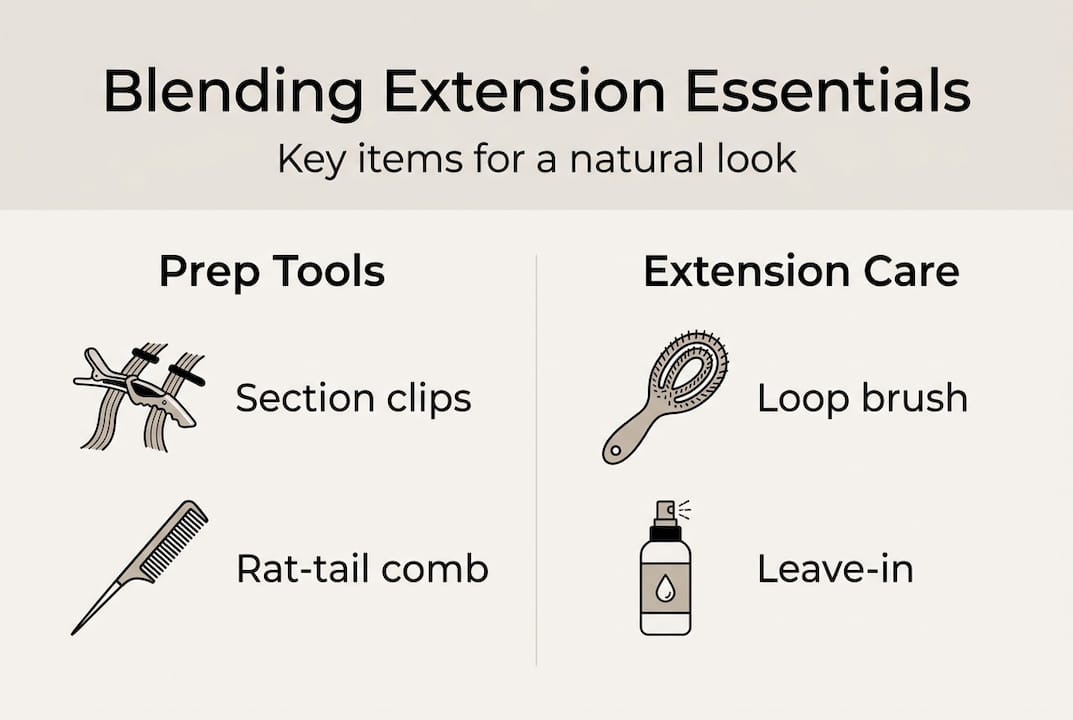
Gather essential blending tools before you begin. You need sectioning clips to divide hair cleanly, a rat-tail comb for precise parting, and a paddle brush for smoothing. Heat styling tools including a flat iron and curling wand help merge textures. Stock up on heat protectant spray, lightweight hair oil, and flexible-hold hairspray. A handheld mirror lets you check blending from every angle.
Understand your natural hair’s current condition. Dry, damaged hair won’t blend well with silky virgin extensions. Assess your hair’s porosity, texture pattern, and colour depth in natural lighting. Check for any chemical treatments or colour variations that might affect how extensions integrate.
| Category | Items needed | Purpose | | — | — | | Extensions | Virgin human hair bundles matching texture and colour | Foundation for natural blending | | Styling tools | Flat iron, curling wand, sectioning clips, combs, brushes | Creating seamless texture integration | | Products | Heat protectant, lightweight oil, flexible hairspray, dry shampoo | Protecting hair and enhancing blend | | Preparation | Clean natural hair, moisturised strands, colour-matched extensions | Optimal starting point for application |
Pro Tip: Deep condition your natural hair two days before applying extensions. Moisturised hair blends more easily with virgin extensions and creates a cohesive texture that looks naturally uniform.
When choosing hair extensions naturally, examine how light reflects off both your hair and the extensions. They should have similar shine levels. Overly glossy extensions against matte natural hair create an obvious contrast. Test a small section by holding the extension against your hair in sunlight and indoor lighting to verify the match works in different environments.
Step-by-step guide to blending hair extensions seamlessly
The blending process requires methodical sectioning, strategic placement, and careful styling to create an invisible transition. Follow these steps precisely for professional results that look completely natural.
-
Section your hair horizontally. Create a clean horizontal part from ear to ear across the back of your head, about two inches above your nape. Clip the top section away. This bottom layer anchors your foundation row and stays hidden beneath upper layers. Use your rat-tail comb to ensure the part is perfectly straight.
-
Apply your first extension row. Attach your extensions to the bottom section, positioning them about half an inch from your scalp. Whether using clip-in extensions for natural blending or sew-ins, ensure they sit flat against your head without bulging. Proper sectioning and layering prevent extension lines from showing through.
-
Release and blend the covering layer. Let down enough natural hair to completely cover the extension attachment points. Brush through gently, allowing your natural hair to fall over the extensions. The covering layer should be thick enough to hide clips or tracks but thin enough to blend seamlessly.
-
Continue sectioning upward. Create another horizontal part one to two inches above your first extension row. Repeat the attachment process, working from bottom to top. Each new row should be slightly shorter than the one below to create natural layering. This prevents a blunt, heavy appearance.
-
Blend textures with heat styling. Once all extensions are secured, assess texture differences. Use a flat iron or curling wand to create uniform waves or curls that merge extension and natural hair. Apply heat protectant first. Focus on the transition zones where your hair meets the extensions.
-
Trim and texturise for seamless integration. Use blending shears to soften any harsh lines between your natural ends and extension hair. Point-cut into the ends at an angle rather than cutting straight across. This creates soft, feathered edges that look naturally grown.
-
Check from all angles. Use your handheld mirror to examine the blend from behind, both sides, and in different lighting. Look for visible attachment points, colour mismatches, or texture inconsistencies. Make adjustments immediately.
Pro Tip: Position a mirror behind you and hold another mirror in front to see the back of your head clearly. Check your blend in both natural daylight and artificial lighting, as extensions can look different depending on the light source.
Taking time to section precisely and layer extensions properly prevents the telltale signs of added hair. Rushing through placement creates visible lines, bulky areas, and an obviously unnatural appearance that no amount of styling can fix.
The key to invisible blending lies in mimicking how natural hair grows. Hair doesn’t fall in uniform layers of identical thickness. Create variation by using different extension widths and adjusting how much natural hair covers each row. This randomness paradoxically creates a more natural, cohesive look.
For detailed techniques on achieving flawless integration, explore professional hair bundles blending tips that address texture matching and colour coordination.
Common mistakes and troubleshooting when blending extensions
Even with careful application, blending problems can emerge. Recognising these issues quickly and knowing how to fix them saves you from an obviously fake appearance.
Poor sectioning creates the most frequent blending disasters. When sections are too thick, extensions can’t lay flat and create bumps. Too-thin sections leave gaps where tracks or clips show through. The solution involves removing extensions and re-sectioning with more precision. Use your comb to create parts that are consistently one to two inches apart, measuring from your scalp to ensure uniformity.
Uneven extension distribution makes some areas look fuller than others. You might have volume on one side but flatness on the other. Fix this by redistributing your extension pieces more evenly across your head. Move clips or adjust sewing patterns to balance the fullness. Sometimes you need additional extension pieces in sparse areas.
Colour and texture mismatches stand out immediately in natural light. Indoor lighting might hide these problems, but sunlight reveals every difference. Avoiding heavy extension placement and improper colour matching prevents an unnatural appearance. If your extensions are slightly lighter or darker than your natural hair, use temporary colour-depositing products to adjust the shade. For texture issues, consistent heat styling creates uniformity.
Quick fixes for common blending issues:
- Visible clips or tracks: Add more natural hair coverage by lowering your sectioning lines and creating thicker covering layers
- Extensions sliding down: Tease the roots slightly before clipping to create grip, or adjust sew-in tension for better security
- Bulky, heavy appearance: Remove every other extension piece or use thinner wefts to reduce volume and weight
- Flyaways at blend line: Apply a tiny amount of lightweight oil or smoothing serum to tame frizz without creating greasiness
- Extensions sitting too high: Reposition clips or tracks closer to your scalp, ensuring they’re anchored securely but comfortably
- Unnatural shine difference: Use dry shampoo on overly glossy extensions or add shine serum to matte natural hair for balance
Extensions that don’t lay flat usually indicate incorrect positioning. They should follow your head’s natural curve rather than sticking out. Adjust the angle of clips or the tightness of sewn tracks. Sometimes hair is too slippery for clips to grip properly. Backcomb the roots gently before attaching to create texture that holds clips securely.
When extensions look obviously separate from your natural hair, the issue often involves inadequate blending at the transition zone. Spend extra time styling where your hair meets the extensions. Curl or wave both together in the same iron barrel. This physical integration makes them move as one cohesive unit.
For comprehensive guidance on preventing these problems from the start, review professional blending mistakes to avoid before your next application.
Achieving and maintaining a flawless natural blend with hair extensions
Creating the initial blend is just the beginning. Maintaining that seamless appearance requires ongoing styling attention and proper care routines that preserve both your natural hair and extensions.
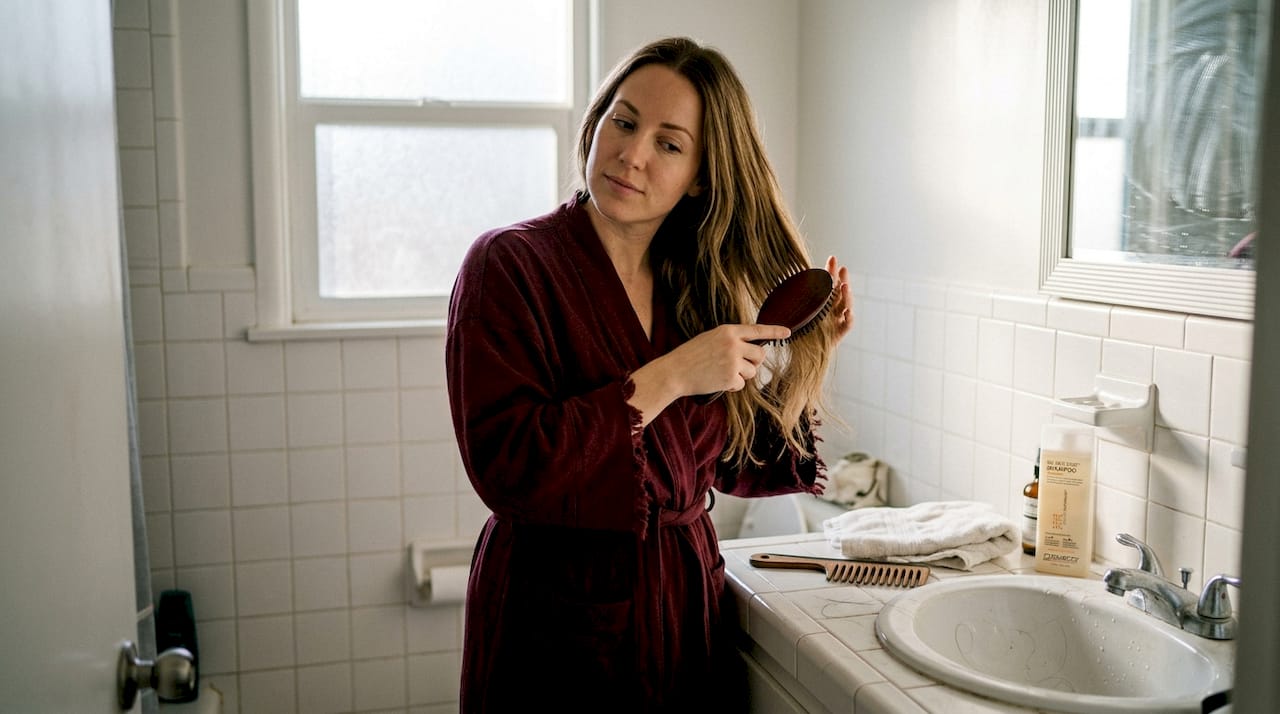
Use styling methods that treat your natural hair and extensions as one unified entity. When curling, take sections that include both your hair and the extensions together. This creates cohesive waves that move naturally. Avoid styling them separately, which creates obvious texture breaks. Braiding damp hair overnight creates gentle waves in both your natural strands and extensions simultaneously.
Establish a maintenance schedule that keeps everything looking fresh. Extensions need different care than natural hair because they don’t receive oils from your scalp. Virgin human hair extensions require moisture replenishment through conditioning treatments. However, over-washing strips natural oils and shortens extension lifespan.
| Frequency | Maintenance tasks | Purpose | | — | — | | Daily | Gentle brushing from ends upward, finger-combing blend zones | Prevents tangling and maintains seamless integration | | Weekly | Washing with sulphate-free shampoo, deep conditioning, air drying | Cleanses without stripping, restores moisture and softness | | Bi-weekly | Heat styling touch-ups, reblending texture, checking attachment security | Refreshes uniform appearance and ensures extensions stay secure | | Monthly | Professional assessment, repositioning if needed, trimming split ends | Maintains optimal placement and healthy hair condition |
Styling products play a crucial role in maintaining blend quality. Choose formulas that work for both natural hair and virgin extensions. Lightweight oils add shine without greasiness. Flexible-hold hairspray maintains styles without stiffness. Avoid heavy waxes or pomades that create buildup on extensions.
Recommended products for natural texture blending:
- Argan oil or jojoba oil: Adds moisture and shine to both natural hair and extensions without weighing them down
- Heat protectant spray: Essential before any heat styling to prevent damage to virgin hair extensions
- Sulphate-free shampoo: Cleanses gently without stripping natural oils or drying out extension hair
- Leave-in conditioner: Maintains softness and prevents tangling, especially important for wavy and curly textures
- Dry shampoo: Absorbs oil at roots between washes and adds texture for better clip grip
- Smoothing serum: Tames flyaways and frizz at the blend line for a polished finish
Regular styling and proper care extend the life of virgin hair extensions while preserving their natural look. Treat extensions as an investment that requires consistent attention rather than a temporary addition you can neglect.
Pro Tip: Before sleeping, loosely braid your hair with extensions to prevent tangling overnight. Use a silk or satin pillowcase to reduce friction that causes matting and maintains the smooth blend you worked hard to create.
When washing, focus shampoo on your scalp and roots where natural oils accumulate. Let the suds rinse through the length rather than scrubbing extensions vigorously. Apply conditioner from mid-length to ends, avoiding the attachment points which can loosen with heavy product buildup. Rinse thoroughly with cool water to seal cuticles and enhance shine.
Detangle extensions carefully using a loop brush or wide-tooth comb. Start at the ends and work upward gradually. Never brush from roots to ends in one stroke, which yanks on attachment points and causes breakage. Hold the hair above where you’re brushing to avoid pulling on your scalp or extension bonds.
For detailed guidance on keeping your extensions looking fresh and natural long-term, explore styling and care tips for virgin hair extensions that address specific texture needs and styling versatility.
Discover premium virgin human hair extensions at Gaurash Beauty Supply
Applying the professional blending techniques you’ve learned requires starting with exceptional quality extensions. Gaurash Beauty Supply specialises in 100% virgin human hair sourced ethically from India, offering the natural texture and movement essential for seamless blending. Our extensions have never been chemically processed, allowing them to accept styling and integrate flawlessly with your natural hair.

Explore our collection of virgin Indian straight human hair extensions for sleek, polished styles that blend effortlessly. If you prefer texture, our virgin wavy human hair bundles offer natural movement perfect for everyday wear. For maximum volume and definition, discover our virgin Indian curly human hair bundles that create stunning dimension. Each product delivers the premium quality needed to execute the blending methods outlined in this guide, ensuring your extensions look naturally grown rather than obviously added.
FAQ
How do I choose hair extensions that blend well with my natural hair?
Select extensions that precisely match your natural hair colour, examining them in both natural daylight and indoor lighting to verify the match works everywhere. Choose virgin human hair in the same texture pattern as your natural hair, whether straight, wavy, or curly, because texture matching is more critical than colour for seamless blending. Quality matters significantly, as premium virgin hair accepts styling and moves naturally, making integration much easier. For comprehensive selection guidance, review tips on choosing hair extensions naturally before purchasing.
What are the best techniques to blend hair extensions for a natural look?
Proper horizontal sectioning creates the foundation for invisible blending, with each extension row positioned one to two inches apart and covered completely by natural hair. Layer extensions from bottom to top, making each successive row slightly shorter to prevent blunt, heavy appearances. Use heat styling tools to merge textures, curling or straightening your natural hair and extensions together in the same sections so they move as one cohesive unit. Careful colour matching and texture blending are absolutely critical for achieving professional results. Explore detailed hair bundles blending tips for advanced integration methods.
How can I maintain my hair extensions to keep them looking blended and natural?
Wash extensions weekly with sulphate-free shampoo, focusing cleansing on your natural roots and letting suds rinse through the length rather than scrubbing vigorously. Deep condition from mid-length to ends bi-weekly, avoiding attachment points to prevent loosening. Detangle gently using a loop brush, starting at ends and working upward to avoid pulling on bonds or clips. Store extensions properly when not wearing them, and avoid excessive heat or harsh chemicals that damage virgin hair. Following these practices preserves both extension quality and the seamless blend you created. Review comprehensive hair extension longevity tips for detailed maintenance guidance.
Can I blend hair extensions if my natural hair is damaged or chemically treated?
Yes, but you’ll need extra preparation to create a successful blend between damaged natural hair and healthy virgin extensions. Deep condition your natural hair for two weeks before application to improve its texture and moisture levels. Consider using colour-depositing treatments to even out any colour variations from previous chemical processes. The texture difference between damaged and virgin hair can be significant, so plan to use heat styling to create uniformity. Sometimes a trim of damaged ends before applying extensions creates a cleaner starting point. With proper preparation and consistent styling, you can achieve a natural blend even with compromised natural hair.
Recommended
- Clip-in extensions guide for natural blending in 2026 – Gaurash Beauty Supply
- Hair Bundles Blending: Achieve 92% Natural Look Success – Gaurash Beauty Supply
- How to Choose Hair Extensions for a Natural, Lasting Look – Gaurash Beauty Supply
- 7 Types of Hair Extensions for a Natural Look Explained – Gaurash Beauty Supply