

How to style virgin hair extensions: 40% longer look
Virgin hair extensions promise unmatched softness and natural shine, but improper styling quickly strips away these qualities. Without the right techniques, you risk damaging the delicate cuticle structure, leading to frizz, dryness, and shortened lifespan. This guide provides expert-backed methods to style virgin hair correctly, helping you maintain that luxurious texture and achieve results that last 30 to 40 percent longer than conventional approaches.
Table of Contents
- Introduction To Styling Virgin Hair
- Prerequisites: Tools, Products, And Preparation
- Step-By-Step Styling Process For Virgin Hair Extensions
- Common Mistakes And Troubleshooting Tips
- Expected Results And Maintenance Tips
- Explore Luxury Virgin Hair Extensions At Gaurash Beauty Supply
- Frequently Asked Questions
Key takeaways
| Point | Details |
|---|---|
| Proper preparation and mild products keep virgin hair hydrated and soft | Use sulfate-free formulas and wide-tooth combs to protect the natural cuticle structure |
| Heat protectants and controlled temperature prevent damage during styling | Apply protectant evenly and keep tools under 350°F to reduce cuticle stress by up to 50% |
| Non-heat styling methods extend style longevity significantly | Braids, rollers, and air-drying can increase style retention by 30 to 40% |
| Gentle detangling and limited washing prevent breakage | Wash extensions only 1 to 2 times weekly to preserve moisture and texture |
| Monthly clarifying treatments remove buildup and restore natural shine | Regular deep cleaning maintains softness without stripping essential oils |
Introduction to styling virgin hair
Virgin hair is completely unprocessed, meaning the cuticle remains intact and aligned in its natural direction. This preservation gives virgin hair its signature softness, natural sheen, and ability to blend seamlessly with your own hair. Unlike chemically treated extensions, virgin hair retains its original texture, whether wavy, straight, or curly.
Improper styling methods disrupt this delicate cuticle alignment. High heat without protection, harsh products, or rough handling can lift the cuticle layers, causing immediate frizz and dullness. Over time, these practices lead to dryness, tangling, and a significantly shortened lifespan for your extensions. The hair loses its luxurious feel and starts to look dull or matted.
Maintaining virgin hair’s natural properties requires intentional care. When you protect the cuticle during styling, you preserve the hair’s moisture balance and structural integrity. This careful approach keeps your extensions looking fresh, feeling soft, and blending naturally with your hair for months longer than extensions subjected to harsh treatments.
Key characteristics of virgin hair include:
- Unaltered cuticle layers that lie flat and uniform
- Natural protein structure without chemical modification
- Ability to absorb and retain moisture efficiently
- Authentic texture that responds predictably to styling
- Longevity that extends beyond processed hair when cared for properly
Prerequisites: tools, products, and preparation
Successful virgin hair styling starts with assembling the right tools and products. Quality matters because virgin hair, while durable, responds sensitively to what you apply and how you handle it. Investing in proper preparation protects your investment and ensures consistently beautiful results.
Begin with a sulfate-free shampoo and moisturizing conditioner. Sulfates strip natural oils aggressively, leaving virgin hair dry and prone to tangling. Moisturizing formulas maintain the hair’s hydration balance, keeping it soft and manageable. Look for products specifically labeled for extensions or natural hair care.
Detangling requires patience and the right tool. A wide-tooth comb prevents unnecessary stress on individual strands, reducing breakage significantly. Start from the ends and work upward slowly, never forcing through knots. Wet hair is especially vulnerable, so handle it gently during and after washing.
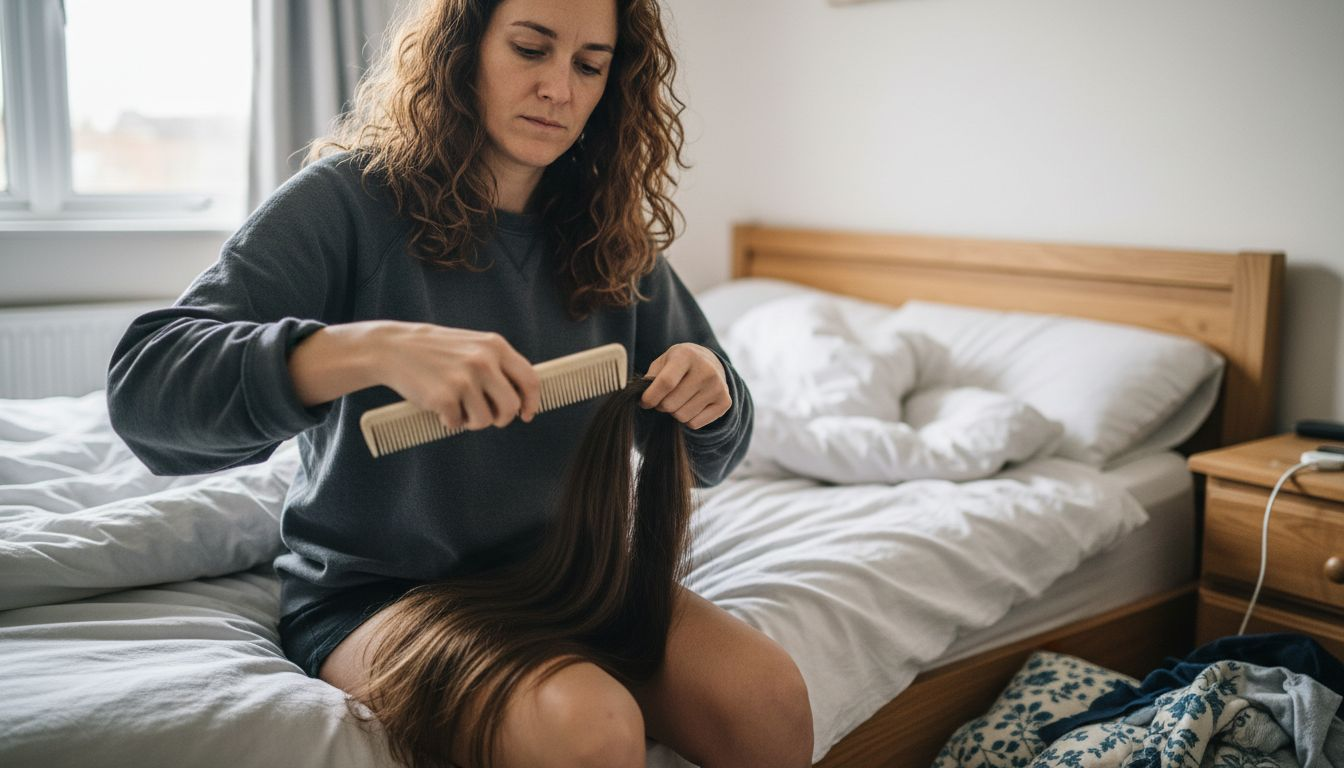
Air-drying decreases hair shaft damage by 35% compared to immediate blow drying after washing. Allow your extensions to dry naturally whenever possible. If you must use heat, apply a quality heat protectant spray evenly throughout the hair before styling. This creates a barrier that reduces direct heat exposure to the cuticle.
Choose styling tools with adjustable temperature controls. Keeping heat between 250°F and 350°F protects virgin hair while still allowing effective styling. Higher temperatures may work faster but cause cumulative damage that shortens your extensions’ lifespan dramatically.
Essential styling tools:
- Wide-tooth comb for gentle detangling
- Heat protectant spray with silicone or natural oils
- Flat iron or curling wand with digital temperature control
- Microfiber towel to reduce friction during drying
- Sulfate-free shampoo and deep conditioner
| Preparation Step | Purpose | Frequency |
|---|---|---|
| Sulfate-free wash | Remove buildup without stripping oils | 1 to 2 times weekly |
| Deep conditioning | Restore moisture and softness | Weekly |
| Detangling session | Prevent breakage and matting | Before each wash and styling |
| Heat protectant application | Shield cuticle from thermal damage | Every heat styling session |
Pro Tip: Before preparing natural hair for extensions, perform a strand test with any new product. Apply a small amount to one section and wait 24 hours to ensure no adverse reaction occurs. This simple step prevents widespread damage and helps you understand how your specific extensions respond to different formulas. For more guidance on maintaining quality, review hair extension longevity tips and consult the smart hair extension buying guide to make informed purchasing decisions.
Step-by-step styling process for virgin hair extensions
Now that your tools and products are ready, follow this systematic approach to style your virgin hair extensions while preserving their natural beauty. Each step builds on the previous one, creating a protective routine that delivers lasting results.
-
Wash your extensions with sulfate-free shampoo in lukewarm water, gently squeezing the product through rather than rubbing vigorously. This preserves cuticle alignment and prevents tangling.
-
Apply a moisturizing conditioner from mid-shaft to ends, avoiding the root area if your extensions are sewn in or bonded. Leave for 3 to 5 minutes, then rinse thoroughly with cool water to seal the cuticle.
-
Gently squeeze excess water using a microfiber towel. Avoid wringing or twisting, which can cause breakage and disrupt the cuticle structure.
-
Allow hair to air-dry completely or until 80 percent dry before applying any heat. This step is critical for minimizing damage and maintaining softness.
-
Once mostly dry, detangle carefully using a wide-tooth comb. Start at the ends and work upward in small sections, holding the hair above where you’re combing to reduce tension on any attachment points.
-
Apply heat protectant spray evenly throughout all sections you plan to style. Hold the bottle 6 to 8 inches away and mist lightly, then comb through to distribute the product uniformly.
-
Set your styling tool to low or medium heat, ideally between 280°F and 320°F for virgin hair. Test the temperature on a small hidden section first.
-
Style in small sections, passing the tool through each section only once or twice. Multiple passes increase heat exposure unnecessarily and can cause dryness over time.
Alternatively, use no-heat styling methods like braiding damp hair overnight for waves, or setting hair in foam rollers for bouncy curls. These techniques eliminate heat damage entirely while creating beautiful, long-lasting styles.
| Styling Method | Temperature | Damage Risk | Style Duration |
|---|---|---|---|
| Flat iron (low heat) | 280-320°F | Low with protectant | 3 to 5 days |
| Curling wand (medium) | 300-350°F | Moderate | 2 to 4 days |
| Braiding (no heat) | N/A | Minimal | 5 to 7 days |
| Roller set (no heat) | N/A | Minimal | 4 to 6 days |
Heat protectants reduce cuticle damage by up to 50% during heat styling at high temperatures. This protection is essential for maintaining virgin hair’s integrity over multiple styling sessions. Never skip this step, even when using lower temperature settings.
Pro Tip: For a natural blend, style your own hair and extensions together using the same technique and temperature. This creates a seamless look and ensures consistent texture throughout. Learn more in the beginner’s guide to hair bundles and discover why choose virgin hair extensions for your styling needs.
Common mistakes and troubleshooting tips
Even with proper technique, certain mistakes can compromise your virgin hair extensions. Recognizing these errors early and knowing how to correct them keeps your hair looking its best and extends its lifespan significantly.
Using high heat without adequate protection is the most common mistake. Temperatures above 380°F cause immediate cuticle damage, leading to brittleness, split ends, and loss of natural sheen. Always apply heat protectant and keep your tools on lower settings. If you notice dryness after styling, you likely used too much heat.
Frequent washing increases hair porosity by 20%, accelerating texture loss and frizz. Limit washing to once or twice weekly. Between washes, use dry shampoo on your natural hair at the roots if needed, keeping it away from the extensions themselves. This approach maintains cleanliness without over-washing.
Rough detangling causes breakage and weakens the hair structure. Always use a wide-tooth comb, never a brush with tight bristles on wet extensions. If you encounter a stubborn tangle, apply a leave-in conditioner or detangling spray to that section and work through it slowly. Forcing a comb through matted hair will cause permanent damage.
Product buildup accumulates from styling products, leave-in treatments, and even hard water minerals. This buildup makes hair feel heavy, look dull, and become difficult to style. Incorporate a clarifying treatment monthly to remove these deposits without stripping essential moisture. Look for formulas designed for color-treated or natural hair.
Additional mistakes to avoid:
- Sleeping with loose, unsecured extensions that tangle overnight
- Applying heavy oils or serums directly to attachment points
- Using regular cotton pillowcases that create friction and frizz
- Skipping heat protectant because hair “feels fine” after styling
- Brushing extensions aggressively from root to tip in one motion
For comprehensive care strategies, review hair extension longevity tips to maintain quality and appearance long term.
Expected results and maintenance tips
When you style virgin hair extensions correctly, you can expect impressive results that justify the careful approach. Understanding realistic timelines and maintenance requirements helps you plan your styling routine effectively.
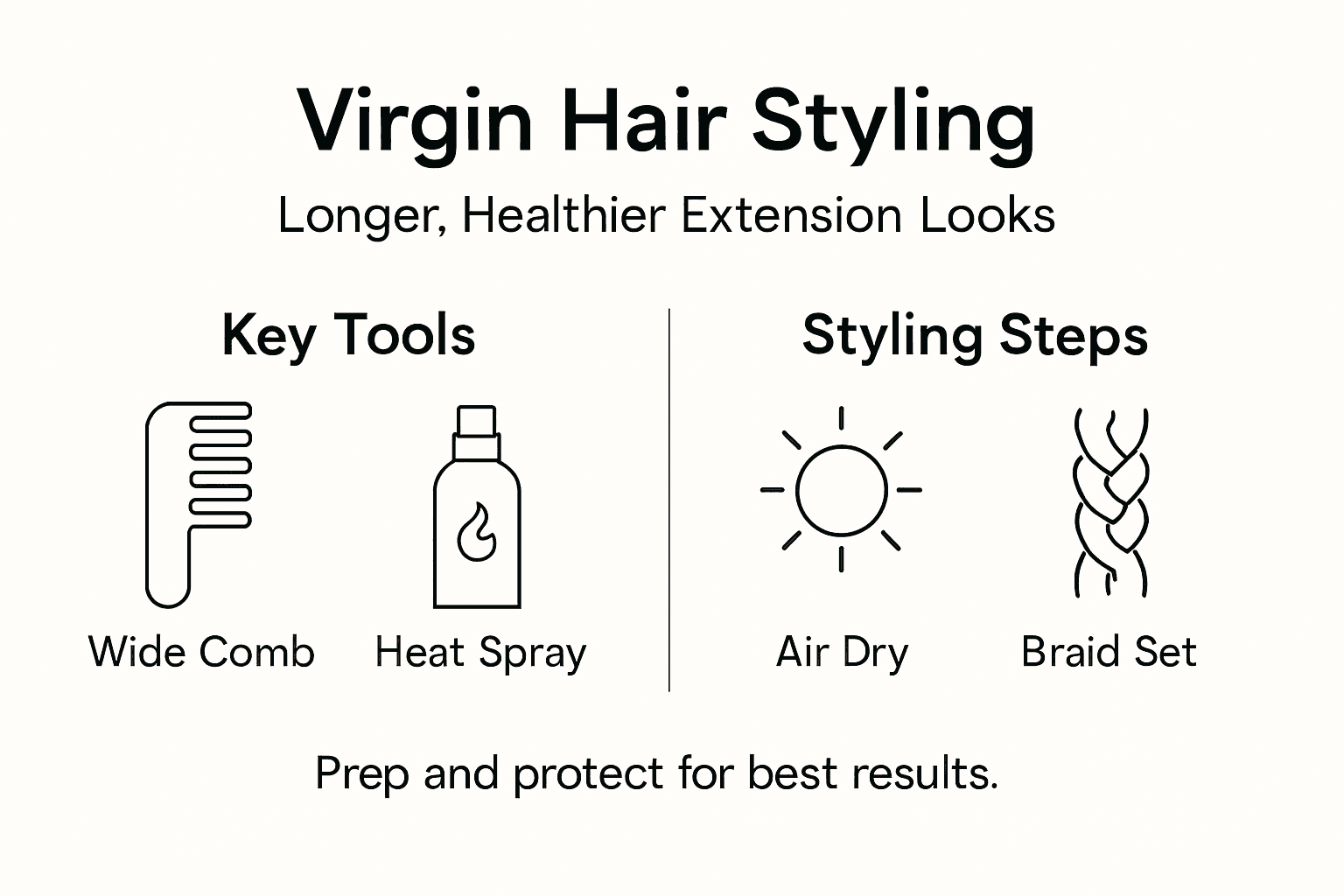
Properly styled virgin hair maintains softness and shine for 7 to 10 days. This duration assumes you protect your hair while sleeping, avoid excessive touching, and keep it away from chlorine or salt water. Heat-styled looks typically last 3 to 5 days before needing a refresh, while non-heat methods can extend style retention by 30 to 40 percent.
Non-heat styling methods offer significant advantages for virgin hair longevity. Braiding, twisting, or using foam rollers eliminates thermal stress entirely while creating beautiful texture. These styles often hold longer because the hair hasn’t been weakened by heat exposure. They also allow you to style more frequently without cumulative damage concerns.
Monthly clarifying treatments are essential for removing product buildup, hard water deposits, and environmental pollutants. Choose a gentle clarifying shampoo without sulfates, and follow immediately with a deep conditioning treatment to restore moisture. This monthly reset keeps your extensions feeling fresh and responding well to styling products.
Professional styling services can enhance both the appearance and health of your virgin hair extensions. A skilled stylist understands how to work with the hair’s natural texture, creating cuts and styles that blend seamlessly. Professional treatments like keratin smoothing or protein treatments can strengthen the hair when applied correctly, though always verify the stylist has experience with virgin hair specifically.
| Maintenance Task | Frequency | Benefit |
|---|---|---|
| Gentle washing | 1 to 2 times weekly | Preserves natural oils and moisture |
| Deep conditioning | Weekly | Restores softness and manageability |
| Clarifying treatment | Monthly | Removes buildup without drying |
| Trim ends | Every 8 to 12 weeks | Prevents split ends from traveling upward |
| Professional assessment | Every 3 to 4 months | Identifies issues early and optimizes care |
Daily maintenance habits that extend style life:
- Wrap hair in a silk or satin scarf before sleeping
- Use a satin pillowcase to reduce friction and frizz
- Avoid touching or playing with styled hair excessively
- Keep hair tied loosely when exercising or in humid conditions
- Reapply light serum or oil to ends daily for moisture retention
For natural maintenance approaches, explore maintain virgin hair bundles naturally and understand the essential qualities of virgin hair that proper care preserves. Find additional hair maintenance tips for comprehensive care strategies.
Explore luxury virgin hair extensions at Gaurash Beauty Supply
Now that you have expert knowledge on styling virgin hair extensions, enhance your results with premium products designed specifically for natural beauty and durability. Gaurash Beauty Supply offers a curated selection of 100% virgin human hair sourced directly from India, ensuring every bundle maintains the authentic texture and softness you need for flawless styling.

Our collection includes bundles, closures, frontals, and tape-in extensions in multiple textures, from sleek straight to natural wavy and curly patterns. Each product is carefully inspected to guarantee intact cuticles and unprocessed quality. Whether you prefer classic elegance or modern versatility, you’ll find options that blend seamlessly with your natural hair and respond beautifully to the styling techniques covered in this guide.
Explore types of hair extensions for a natural look to find your perfect match, discover luxury hair extensions benefits that elevate your styling experience, or shop our bestselling virgin Indian straight human hair extensions for timeless sophistication.
Frequently asked questions
How often should I wash virgin hair extensions after styling?
Wash your virgin hair extensions only 1 to 2 times per week to maintain moisture balance and prevent dryness. Over-washing strips natural oils and increases porosity, which accelerates texture loss and frizz. Between washes, refresh your natural hair roots with dry shampoo while keeping it away from the extensions.
Can I use flat irons on virgin hair safely?
Yes, you can safely use flat irons on virgin hair by keeping the temperature between 280°F and 320°F and always applying heat protectant first. Pass each section through the iron only once or twice to minimize heat exposure. Higher temperatures or repeated passes cause cumulative damage that shortens your extensions’ lifespan and reduces softness.
What are the best no-heat styling options for virgin hair?
Braiding damp hair overnight creates natural waves, while foam rollers produce bouncy curls without any heat damage. Twist-outs and bantu knots also deliver beautiful texture for virgin hair. These methods extend style longevity by 30 to 40 percent compared to heat styling while eliminating thermal stress entirely.
How do I prevent tangling when styling virgin hair?
Detangle gently before every styling session using a wide-tooth comb, starting from the ends and working upward. Sleep with hair in a loose braid or wrapped in a silk scarf to prevent overnight tangling. Apply a light leave-in conditioner to ends daily and avoid touching or playing with your hair excessively throughout the day.
Is it necessary to use heat protectant every time I style with heat?
Absolutely. Heat protectant creates a protective barrier that reduces cuticle damage by up to 50 percent during thermal styling. Skipping this step, even occasionally, allows direct heat to damage the hair’s protein structure, leading to dryness, breakage, and loss of natural shine. Apply protectant evenly before every heat styling session without exception.
Recommended
- Top Hair Extension Longevity Tips for Lasting Results – Gaurash Beauty Supply
- How to Choose Hair Extensions for a Natural, Lasting Look – Gaurash Beauty Supply
- Why Choose Virgin Hair Extensions: Natural Luxury – Gaurash Beauty Supply
- Role of Hair Extensions – Elevating Personal Style and Confidence – Gaurash Beauty Supply