

5 benefits of unprocessed hair for natural beauty
TL;DR:
- Unprocessed hair is sourced from single donors without chemical treatments, ensuring higher quality and longevity.
- It offers better heat styling, color adaptability, and seamless blending compared to processed hair.
- Proper maintenance and ethical sourcing are essential for maximizing the benefits and ensuring safe, long-lasting extensions.
Not all hair extensions are created equal, and if you have ever invested in a set that tangled, dulled, or fell apart within months, you already know this. The difference between a frustrating experience and one that genuinely transforms your look often comes down to one factor: whether the hair has been chemically processed. Unprocessed hair, sourced directly from donors without any chemical alteration, offers a level of quality that processed alternatives simply cannot match. This guide breaks down exactly what unprocessed hair is, why it outperforms other options, and how to care for it so your investment lasts as long as possible.
Table of Contents
- What is unprocessed hair and why does it matter?
- Benefits of unprocessed hair for styling and durability
- Health and safety: Myths versus facts with unprocessed hair
- How to maximise and maintain the benefits of unprocessed hair
- Our perspective: What most guides miss about unprocessed hair
- Discover high-quality unprocessed hair options at Gaurash Hair
- Frequently asked questions
Key Takeaways
| Point | Details |
|---|---|
| Natural quality stands out | Unprocessed hair maintains its natural strength and shine for longer-lasting beauty. |
| Styling is highly versatile | You can style, colour, and treat unprocessed hair just like your own with proper care. |
| Risks depend on application | Most health concerns are related to how extensions are attached rather than the hair quality itself. |
| Care ensures longevity | Regular gentle maintenance is the best way to unlock all the benefits of unprocessed hair. |
What is unprocessed hair and why does it matter?
When we talk about unprocessed hair, we mean hair that has been cut directly from a single donor and kept in its completely natural state from that moment forward. No bleaching, no dyeing, no perming, and no chemical straightening. The hair arrives exactly as it grew, which sounds simple but is actually quite rare in the extension market.
The most critical quality that unprocessed hair preserves is cuticle alignment. Every strand of human hair has a cuticle layer, a protective outer coating made up of overlapping scales. When all strands in a bundle run in the same direction with cuticles intact, the hair reflects light evenly, resists tangling, and maintains its strength. As defining unprocessed hair explains, cuticle alignment and minimal chemical processing are what separate truly premium extensions from the rest.
Processed hair, by contrast, often has its cuticles stripped using acid baths to prevent tangling from misaligned strands. Silicone coatings are then applied to restore shine temporarily. This looks great in the packaging but wears off quickly, leaving hair that mats and dullens within weeks.
Here is a quick breakdown of what unprocessed hair preserves:
- Natural moisture balance from the donor’s scalp
- Full cuticle layer running root to tip
- Original tensile strength and elasticity
- No residual chemicals that can react with future treatments
- Authentic colour variation and texture
Comparison of hair types at a glance:
| Feature | Unprocessed hair | Processed hair |
|---|---|---|
| Cuticle intact | Yes | Usually stripped |
| Chemical treatment | None | Bleach, dye, or acid |
| Initial shine source | Natural | Silicone coating |
| Longevity | 1 to 3 years+ | 3 to 6 months |
| Styling flexibility | High | Limited |
As medical insights on hair sourcing note, the origin and handling of hair before it reaches the consumer directly affects how it performs and how long it lasts. Understanding this distinction is the first step toward making a genuinely informed purchase.
Benefits of unprocessed hair for styling and durability
Now that you know what defines unprocessed hair, the practical advantages for daily wear and styling become much easier to appreciate. The purity of the hair is not just a marketing point. It translates into real, measurable differences in how the hair behaves.
The top three styling benefits are:
- Heat-styling flexibility. Because the cuticle is intact and no chemicals have weakened the strand, unprocessed hair tolerates heat tools far better. You can curl, straighten, or blow-dry without the rapid damage that processed hair suffers. As raw human hair benefits confirm, versatile heat styling is one of the standout advantages of unprocessed options.
- Colour adaptability. Want to go lighter or add highlights? Unprocessed hair accepts colour treatments the way your natural hair does, with predictable, even results. Processed hair, already stripped of its cuticle, can react unpredictably or break under further chemical stress.
- Seamless blending. Because unprocessed hair retains its natural texture and movement, it integrates with your own hair in a way that looks genuinely convincing rather than obviously added.
Durability comparison:
| Care routine | Unprocessed hair lifespan | Processed hair lifespan |
|---|---|---|
| Minimal styling | Up to 3 years | 4 to 6 months |
| Regular heat use | 1 to 2 years | 2 to 3 months |
| Colour treated | 1 year+ | Often unusable |
The evidence on durability and risks supports what many experienced wearers already know: unprocessed hair’s durability means fewer replacements and better value over time, especially for those who style frequently.
“Choosing unprocessed hair is not just about aesthetics. It is about investing in a product that works with your lifestyle rather than against it.”
Unprocessed hair also holds up remarkably well to frequent washing and daily manipulation, which is a real concern for active wearers. The intact cuticle acts as a natural barrier against moisture loss and mechanical friction.
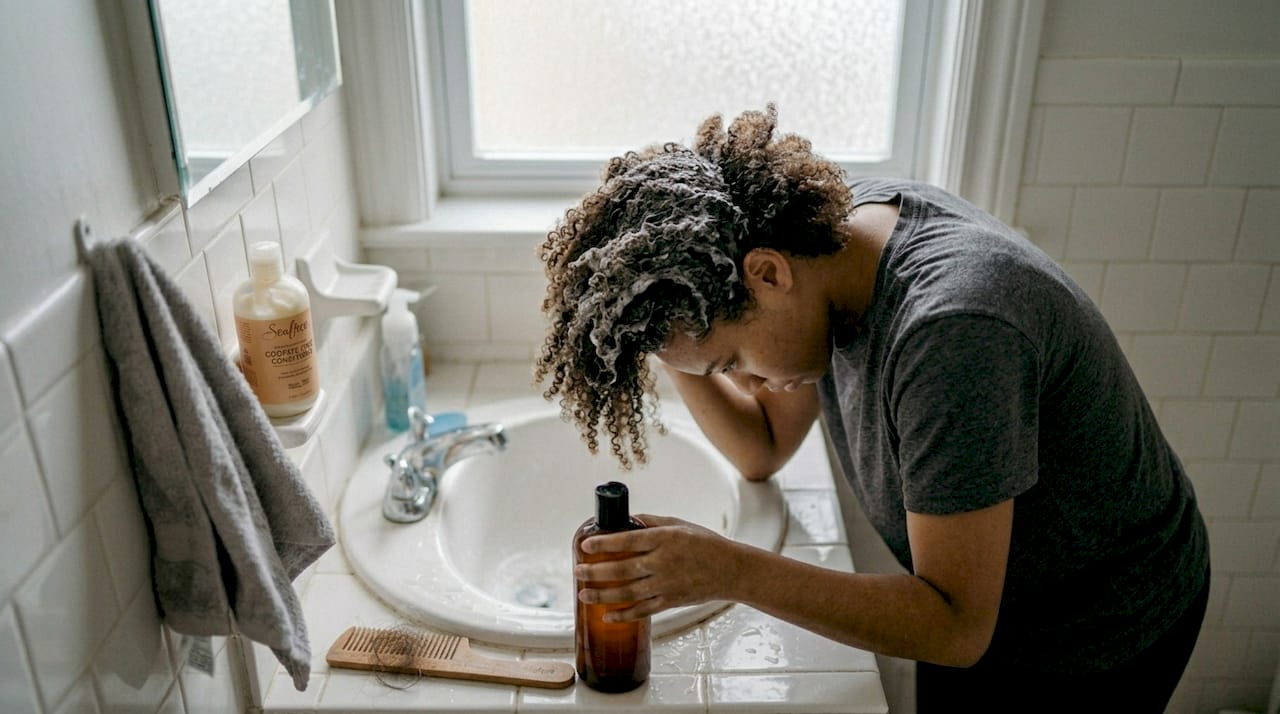
Pro Tip: Use a gentle, sulphate-free shampoo every 7 to 10 days and follow with a moisturising conditioner. This single habit can add months to the life of your extensions and keep them looking freshly installed.
Health and safety: Myths versus facts with unprocessed hair
With the styling advantages clear, it is worth addressing the health questions that often come up around extensions in general. Many people assume that any extension carries inherent risks, but the reality is more nuanced.
The most important thing to understand is that risks from extensions such as traction alopecia, scalp irritation, and follicle stress are almost always linked to how extensions are attached and maintained, not to whether the hair itself is unprocessed. Tight braiding, heavy bundles, and leaving extensions in too long are the real culprits.
Common myths and the facts behind them:
- Myth: Unprocessed hair causes scalp irritation. Fact: The hair itself is inert. Irritation typically comes from adhesives, tight attachment, or infrequent cleansing.
- Myth: All hair extensions are equally hygienic. Fact: Unprocessed hair, free of residual chemicals, is actually gentler on the scalp environment when properly cared for.
- Myth: You need to see a professional every time. Fact: With proper home care, you can maintain extensions safely between salon visits.
- Myth: Extensions always damage your natural hair. Fact: Damage is preventable with correct installation and regular rotation of attachment points.
For those exploring the raw versus processed hair debate, it is worth noting that unprocessed hair carries no residual bleach or acid that could interact with your scalp over time. This makes it a genuinely safer choice for long-term wear, particularly for those with sensitive scalps.
The natural hair extensions benefits are well documented, but the key takeaway here is that safety is primarily a function of your habits, not the hair’s purity.
Pro Tip: Rotate your extension attachment points every four to six weeks and give your scalp a break between installs. This simple practice dramatically reduces the risk of traction-related hair loss.
How to maximise and maintain the benefits of unprocessed hair
Knowing the risks and realities, here is how to get the most from your unprocessed extensions through consistent, thoughtful care.
Step-by-step maintenance routine:
- Wash gently. Use a sulphate-free shampoo and work it through in a downward motion, never scrubbing in circles. This preserves the cuticle direction.
- Deep condition regularly. Apply a moisturising deep conditioner every two weeks. Unprocessed hair responds to hydration the same way your natural hair does.
- Detangle carefully. Always start from the ends and work upward using a wide-tooth comb or a soft-bristle brush. Never force through knots.
- Dry thoughtfully. Blot with a microfibre towel rather than rubbing. Air-dry when possible, or use a low-heat setting on your dryer.
- Store properly. When not in use, store extensions in a satin bag or on a hanger to prevent tangling and dust accumulation.
As how to care for raw hair outlines, proper maintenance can significantly extend the life of unprocessed extensions, sometimes by a full year or more compared to neglected sets.
Recommended practices:
- Use moisturising, silicone-free leave-in treatments
- Sleep with hair loosely braided or in a satin bonnet
- Schedule professional checks every six to eight weeks
- Avoid excessive heat above 180°C on a daily basis
Practices to avoid:
- Sulphate or alcohol-heavy shampoos
- Sleeping with wet extensions
- Skipping deep conditioning
- Tight ponytails or buns that stress attachment points
For more on getting the most from your investment, the virgin hair care tips resource covers product selection and routine adjustments for different textures and lifestyles.
Our perspective: What most guides miss about unprocessed hair
Most articles about unprocessed hair focus almost entirely on the hair itself, its purity, its cuticle, its origin. That matters, but it is only part of the picture.
What often gets lost in beauty industry conversations is the role of ethical sourcing and installation quality in the final result. A beautifully unprocessed bundle installed with excessive tension or sourced without fair compensation to the donor is not truly a premium product, regardless of what the label says.
At Gaurash Hair, we believe that real results from raw hair come from treating the entire supply chain with integrity. The donor’s contribution matters. The installer’s skill matters. Your aftercare matters. Longevity and satisfaction are not just about buying the right buzzword. They are about making informed choices at every stage.
The next time you see a product labelled “virgin” or “raw,” ask where it came from and how it was handled. That question separates genuine quality from clever marketing.
Discover high-quality unprocessed hair options at Gaurash Hair
If this guide has helped you see unprocessed hair differently, the next step is finding a source you can actually trust. At Gaurash Hair, every bundle is ethically sourced from Indian donors and handled with care from cut to delivery.
Whether you prefer sleek and polished or natural and textured, the range covers every style. Explore straight unprocessed hair extensions for a classic, refined look, or try wavy unprocessed hair bundles for effortless movement and volume. For a complete transformation, browse the full collection of premium hair wigs designed to blend beautifully with your natural hair. Fast global shipping and a commitment to quality make Gaurash Hair the trusted choice for beauty-conscious shoppers.
Frequently asked questions
What is the difference between unprocessed and virgin hair?
Unprocessed hair is cut from a single donor and never chemically or colour treated, while virgin hair distinctions refer to hair that meets similar criteria but may occasionally come from multiple donors. Both are high-quality options, but unprocessed single-donor hair offers the most consistent cuticle alignment.
Does unprocessed hair last longer than processed hair?
Yes, significantly. Superior durability is one of the defining advantages of unprocessed hair, with well-maintained sets lasting one to three years compared to just a few months for most processed alternatives.
Are there risks to using unprocessed hair extensions?
Risks mainly stem from attachment techniques and maintenance habits rather than the hair’s purity. Choosing proper installation methods and following a consistent care routine eliminates most concerns.
Can I style unprocessed hair the way I do my natural hair?
Absolutely. Flexible styling and colouring are core benefits of unprocessed hair. You can apply heat, colour, or chemical treatments much as you would with your own hair, provided you follow appropriate care steps afterward.
Recommended
- Discover the benefits of raw human hair for natural beauty – Gaurash Beauty Supply
- 7 Essential Qualities of Virgin Hair for Natural Styling – Gaurash Beauty Supply
- Top advantages of raw hair extensions for lasting beauty – Gaurash Beauty Supply
- 7 Key Advantages of Raw Indian Hair for Stylists – Gaurash Beauty Supply