

Hair wefts explained: enhance your style with quality extensions
TL;DR:
- Hair wefts are versatile, customizable extension options that blend naturally.
- They come in hand-tied and machine-tied types, made from human or synthetic hair.
- Proper care extends weft lifespan and maintains natural appearance.
Not all hair extensions are created equal, and if you’ve ever felt overwhelmed choosing between clip-ins, tape-ins, and wefts, you’re not alone. Hair wefts are one of the most misunderstood yet most versatile options available to both everyday wearers and professional stylists. They offer a level of customisation and natural blending that other methods simply can’t match. This guide walks you through exactly what hair wefts are, the different types available, their key benefits, how to care for them properly, and what to look for when investing in quality wefts that genuinely transform your look.
Table of Contents
- What is a hair weft?
- Types of hair wefts and their uses
- Benefits of using hair wefts
- How to care for hair wefts for long-lasting results
- Our perspective: What most miss when choosing and using hair wefts
- Find your perfect hair weft at Gaurash Beauty Supply
- Frequently asked questions
Key Takeaways
| Point | Details |
|---|---|
| Hair wefts defined | A hair weft is a curtain of hair sewn or bonded at the top used for seamless, versatile hairstyles. |
| Type selections matter | Choosing between hand-tied, machine-tied, natural, or synthetic wefts affects both styling options and longevity. |
| Care ensures longevity | Following regular care routines helps both human and synthetic wefts look natural and last longer. |
| Quality impacts results | Authentic craftsmanship, not just hair origin, is what produces a flawless-looking hair weft. |
What is a hair weft?
A hair weft is essentially a curtain of hair strands sewn or bonded together along a single track at the top. That top edge, called the weft seam, is what gets attached to your natural hair or a foundation. The rest of the hair hangs freely, creating natural movement and volume. It’s a deceptively simple construction that produces remarkably natural results when done well.
What sets wefts apart from other extension methods is their adaptability. You can cut a weft to any width without the hair unravelling, which means a stylist can customise the fit precisely to your head shape and parting. Clip-in extensions come pre-sized and pre-clipped, offering convenience but limited flexibility. Tape-in extensions use adhesive strips applied in sections, which work beautifully for fine hair but can’t be resized. Keratin bond extensions are applied strand by strand, offering precision but requiring significant time and cost.

Hair wefts, by contrast, can be installed using several methods: sewn into braided cornrows (a sew-in), attached with tiny beads or rings (beaded wefts), or secured with adhesive (glue-in). Each method suits different hair types and lifestyle needs. As Healthline’s overview of extension types notes, the installation method significantly affects wear time and hair health.
Here’s what makes wefts a favourite among professional stylists:
- Customisable width: Cut to fit any section without fraying
- Natural movement: Hair hangs freely from the seam for realistic flow
- Multiple install options: Sew-in, beaded, or glue-in to suit different needs
- Reusable: High-quality human hair wefts can be reinstalled multiple times
- Blending ease: Matches natural hair texture and density more seamlessly
“Hair wefts offer greater versatility compared to many other extension methods, making them a preferred choice for stylists seeking customised, natural-looking results.”
For clients who want a look that genuinely passes as their own hair, and for stylists who need a reliable, flexible tool, wefts consistently deliver. Understanding natural vs synthetic hair extensions is also key before you commit to any weft type.
Types of hair wefts and their uses
Once you understand what a weft is, the next step is knowing which kind suits your goals. The two broadest categories are hand-tied wefts and machine-tied wefts, and the difference matters more than most people realise.
Machine-tied wefts are produced on a loom, creating a thicker, more durable seam. They’re robust and great for sew-in installs. Hand-tied wefts are crafted manually, resulting in an ultra-thin, flexible seam that lies flat against the scalp. They’re ideal for beaded installs and clients with finer hair who need a lightweight option.
Beyond construction, material is everything. Human hair wefts, particularly those made from Remy or raw Indian hair, retain the cuticle layer intact and aligned in one direction. This means less tangling, longer lifespan, and the ability to style with heat. Synthetic wefts are more affordable but can’t be heat-styled and typically last only a few months. As noted in synthetic vs human wefts, choosing the right material directly impacts longevity and styling results.
| Feature | Hand-tied weft | Machine-tied weft |
|---|---|---|
| Seam thickness | Ultra-thin | Thicker, more rigid |
| Best install method | Beaded, hand-sewn | Sew-in cornrow |
| Ideal hair type | Fine to medium | Medium to thick |
| Durability | High with care | Very high |
| Cost | Higher | More affordable |
Here’s how to approach selecting your weft type:
- Assess your natural hair density — fine hair benefits from hand-tied; thick hair handles machine-tied well
- Define your styling goals — heat styling requires human hair; low-maintenance looks can use quality synthetics
- Consider your install preference — sew-in installs suit machine-tied; beaded methods pair best with hand-tied
- Think about longevity — if you want wefts that last longer, invest in raw or Remy human hair
- Match texture to your own — wavy, straight, or curly wefts should mirror your natural pattern for seamless blending
Pro Tip: Always request a small sample of the weft before committing to a full install. Run your fingers through it, check the seam thickness, and examine whether the cuticles feel smooth from root to tip. A quality weft will feel consistent throughout, not coarse at the ends.
Indian hair is particularly prized for its natural density and slight wave, which blends well with a wide range of hair types. The complete extension guide from Byrdie outlines how origin and texture both influence the final result.
Benefits of using hair wefts
The advantages of hair wefts go well beyond simply adding length. When chosen and installed correctly, wefts can genuinely transform the way your hair looks, moves, and feels.
The most significant benefit is seamless blending. Because wefts are applied in tracks that follow the natural growth pattern of your hair, they integrate far more naturally than individual strand methods. There’s no visible attachment point when the weft is properly placed and the hair is styled over it.
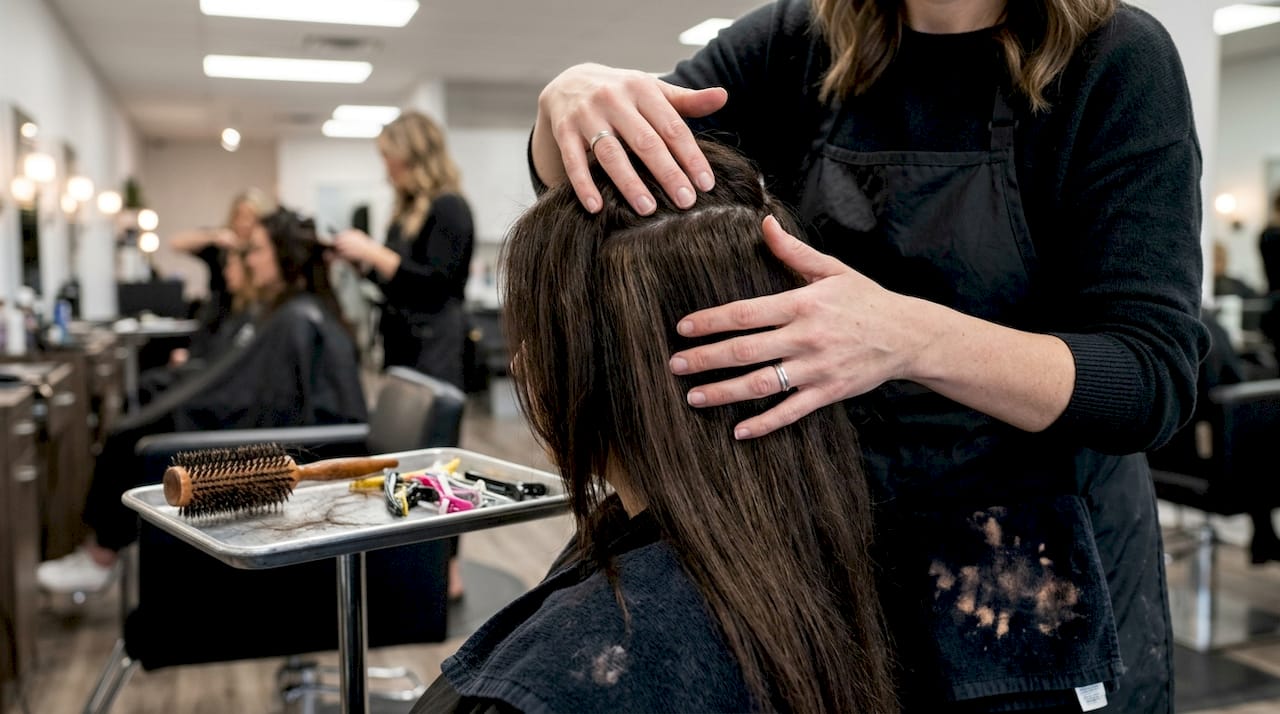
Customisation is another major strength. A skilled stylist can colour-match wefts to your exact shade, blend multiple lengths for a layered effect, and adjust density by layering wefts strategically. Human hair wefts can be dyed, toned, and cut just like your natural hair. That level of personalisation is simply not possible with most pre-made clip-in sets.
| Benefit | Hair weft | Clip-in | Tape-in |
|---|---|---|---|
| Natural blending | Excellent | Good | Very good |
| Customisation | High | Low | Medium |
| Heat styling | Yes (human hair) | Yes (human hair) | Limited |
| Reusability | High | High | Medium |
| Professional finish | Salon-grade | DIY-friendly | Salon-grade |
Styling flexibility is where human hair wefts truly shine. You can curl, straighten, blow-dry, and even lightly bleach them. Volume with wavy hair wefts adds natural movement more effectively than clip-ins for many styles, particularly when you want that lived-in, effortless look. For inspiration on achieving salon-quality finishes at home, learning how to style with hair wefts makes a real difference.
Pro Tip: When layering wefts for added density, start from the nape and work upward. Leave at least 2 centimetres between each track to prevent visible gaps and to allow your natural hair to cover the seams comfortably.
As Cosmopolitan’s extension benefits breakdown highlights, the right extension method can genuinely elevate a look from ordinary to editorial. Wefts, when sourced well and installed properly, are the method most likely to achieve that result.
How to care for hair wefts for long-lasting results
Quality wefts are an investment, and like any investment, they reward proper care. The good news is that maintaining wefts doesn’t require a complicated routine. It requires a consistent one.
Follow these steps for best results:
- Wash gently every 1-2 weeks — use a sulphate-free shampoo, work from root to tip without scrubbing, and rinse thoroughly with cool water
- Condition every wash — apply a moisturising conditioner from mid-length to ends, avoiding the weft seam to prevent loosening
- Dry carefully — gently squeeze out excess water with a microfibre towel, then air-dry or use a low-heat setting on a diffuser
- Detangle before washing — always brush from ends upward using a wide-tooth comb or a loop brush designed for extensions
- Store properly — when not in use, keep wefts in a silk or satin bag to prevent tangling and friction damage
- Avoid heavy product buildup — silicone-heavy serums and dry shampoos can coat the weft and dull its appearance over time
“Proper care significantly extends the lifespan and quality of both human and synthetic hair wefts, protecting your investment and maintaining a natural appearance.”
Pro Tip: Before applying any heat tool to your wefts, always use a heat protectant spray. Human hair wefts don’t have the natural oils your scalp produces, so they’re more vulnerable to heat damage than your own hair.
For a thorough routine, the weft care guide covers everything from product selection to drying techniques. You’ll also find practical extension longevity tips that help you get the most from your wefts over time. If you’re installing wefts for the first time, preparing natural hair beforehand makes a significant difference in how well they blend and how long they last. Allure’s washing instructions also offer a helpful visual reference for proper technique.
Watch for signs that your weft needs professional attention: excessive shedding from the seam, matting that won’t brush out, or a noticeably coarse texture despite conditioning. These are signals that the weft is nearing the end of its useful life or needs professional reconditioning.
Our perspective: What most miss when choosing and using hair wefts
Here’s something the beauty industry rarely says plainly: the word “virgin” on a product label means almost nothing on its own. We’ve seen wefts marketed as 100% virgin hair that shed within weeks, and we’ve seen modestly priced raw Indian hair wefts outlast far more expensive alternatives. The difference isn’t in the marketing. It’s in the construction.
What actually determines weft quality is the consistency of the seam, the alignment of the cuticles, and whether the sourcing process respected the integrity of the hair from collection through processing. A well-constructed weft feels even from top to bottom. The seam doesn’t bulk up or fray. The hair doesn’t mat after one wash.
Before investing, ask your supplier specific questions: How is the hair collected? Are the cuticles intact and aligned? What does the seam construction look like under close inspection? These questions separate suppliers who genuinely understand hair from those simply riding trends. Keeping up with latest hair extension trends is useful, but never let trend-chasing override your judgement about craftsmanship. The best weft for you is the one built to last, not the one with the best packaging.
Find your perfect hair weft at Gaurash Beauty Supply
Ready to experience the difference that genuinely crafted wefts make? At Gaurash Hair, every weft we offer is sourced with care and built to perform.
Whether you’re after flowing Virgin wavy human hair bundles for natural movement, the sleek finish of Virgin Indian straight hair extensions, or the bold texture of Raw curly human hair bundles, our collection covers every style goal. Each bundle is 100% raw or virgin Indian hair, ethically sourced, and crafted for seamless blending. Browse our full range today and find the weft that matches your vision perfectly.
Frequently asked questions
How do hair wefts differ from other types of hair extensions?
Unlike clip-ins or tape-ins, hair wefts are a curtain of hair that can be sewn, beaded, or glued in for seamless, customisable results. They offer more installation versatility than most other extension methods.
How do I select the right type of hair weft for my hair?
Consider your hair texture, desired style, and whether you want natural or synthetic hair; a stylist can help match the best weft type. Matching hair type to your goal is crucial for a natural look.
Can I dye or use heat on my hair weft?
You can dye and style human hair wefts with heat, but synthetic wefts may be damaged by colouring or high temperatures. Human hair wefts behave much like your natural hair when it comes to styling options.
How often should I wash my hair wefts?
Wash wefts every 1-2 weeks or after heavy styling, using gentle sulphate-free products to maintain quality and softness. Consistent proper washing extends weft life and keeps the appearance fresh.
How long do hair wefts usually last?
Well-cared-for human hair wefts can last 6 months to over a year, while synthetic wefts typically last 2-3 months. Following extension longevity tips consistently makes a measurable difference in lifespan.
Recommended
- Top ways to style hair extensions for salon looks – Gaurash Beauty Supply
- Transform your look: The true role of hair extensions – Gaurash Beauty Supply
- Luxury Hair Extensions: Elevate Style and Confidence – Gaurash Beauty Supply
- How to Choose Hair Extensions for a Natural, Lasting Look – Gaurash Beauty Supply