

Why proper hair sourcing matters for ethical beauty
TL;DR:
- Proper hair sourcing means traceability, donor consent, and ethical handling of hair.
- Well-sourced hair lasts longer, looks more natural, and maintains quality over time.
- Ethical sourcing impacts real people’s lives and requires transparency from suppliers.
Most people shopping for hair extensions focus on length, texture, and price. What rarely gets examined is where the hair actually comes from, how it was collected, and what it went through before landing on a shelf or in a salon. These hidden details shape everything: how the hair looks after a few washes, how long it lasts, and whether the people who donated it were treated fairly. This guide breaks down what proper hair sourcing really means, how it affects quality and durability, the human stories behind every strand, and how you can make smarter, more ethical choices as a consumer or stylist.
Table of Contents
- What does proper hair sourcing mean?
- The impact of sourcing on quality and durability
- Ethics behind the strands: Social and human issues in sourcing
- How to spot and choose proper hair: A practical guide
- Why shortcuts in hair sourcing never pay off
- Experience the difference with ethically sourced hair
- Frequently asked questions
Key Takeaways
| Point | Details |
|---|---|
| Source determines quality | Where and how hair is sourced majorly impacts the look, durability, and value of extensions. |
| Ethics matter | Choosing properly sourced hair supports fair treatment and respect for donors and discourages exploitative practices. |
| Transparency is key | Understanding your supplier’s sourcing process helps ensure your extensions are both high quality and ethically obtained. |
| Cheap hair has hidden costs | Extensions from poorly sourced hair may require more frequent replacement and could damage your reputation as a stylist or disappoint as a consumer. |
What does proper hair sourcing mean?
Proper hair sourcing is not just a marketing phrase. It refers to a traceable, transparent supply chain where hair is collected with the donor’s knowledge and consent, handled without harmful processing, and sold with honesty about its origins. When sourcing is done right, you can follow the hair from donor to product. When it is not, the gaps in that chain are often filled with shortcuts that hurt everyone involved.
Not all hair extensions are created equal, and the differences start long before you open the package. Ethical hair sourcing means the supplier can tell you exactly where the hair came from, how it was gathered, and whether the donor was compensated fairly. Sourcing that skips these steps often relies on floor hair (hair swept from salon floors), collected hair from brushes, or in the worst cases, hair taken without consent. These methods produce hair that is mixed in quality, tangled in direction, and stripped of its natural structure.
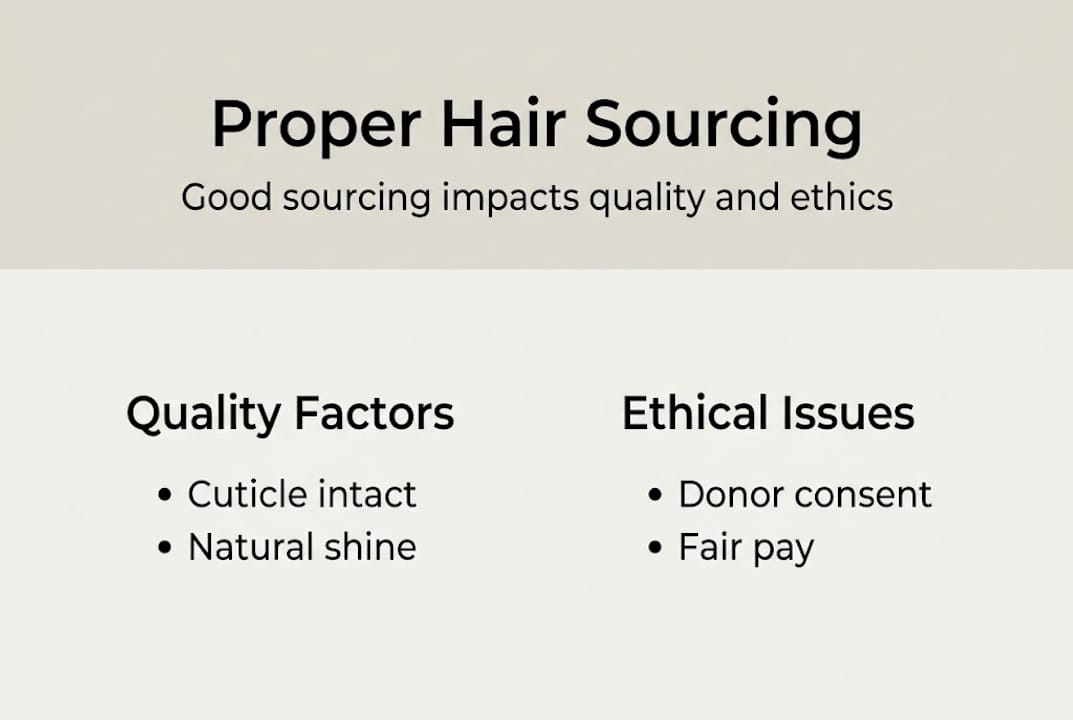
Unethical sourcing often involves fallen or floor hair, stolen hair, or exploitation, and requires harsh chemical processing that degrades quality. Acid baths and silicone coatings are used to make low-grade hair look presentable, but these treatments wear off quickly, leaving behind dull, brittle strands.
Here is a quick breakdown of the main hair types you will encounter:
- Virgin hair: Never chemically treated, collected directly from a single donor
- Remy hair: Cuticles aligned in one direction, minimising tangling, may or may not be virgin
- Non-remy hair: Mixed cuticle direction, often collected from multiple sources, prone to matting
- Temple hair: Donated at religious temples, considered more ethical when traceable
- Synthetic hair: Man-made fibres, no human sourcing concerns but limited styling versatility
Understanding these human hair extension benefits and distinctions helps you ask the right questions before you buy.
Pro Tip: When evaluating a supplier, ask directly: “Can you tell me where this hair was collected, and how donors were compensated?” A trustworthy supplier will answer clearly. Vague responses are a red flag.
The impact of sourcing on quality and durability
Sourced well, hair extensions can last over a year with proper care. Sourced poorly, they can start shedding and tangling within weeks. The difference is not random. It comes directly from how the hair was collected and what it was put through before it reached you.
Raw, traceable hair retains its natural cuticle layer intact. The cuticle is the protective outer layer of each strand, and when it is preserved and aligned in one direction, the hair stays smooth, reflects light naturally, and resists tangling. Raw hair explained in detail shows that this structure is what gives high-quality extensions their natural movement and longevity.
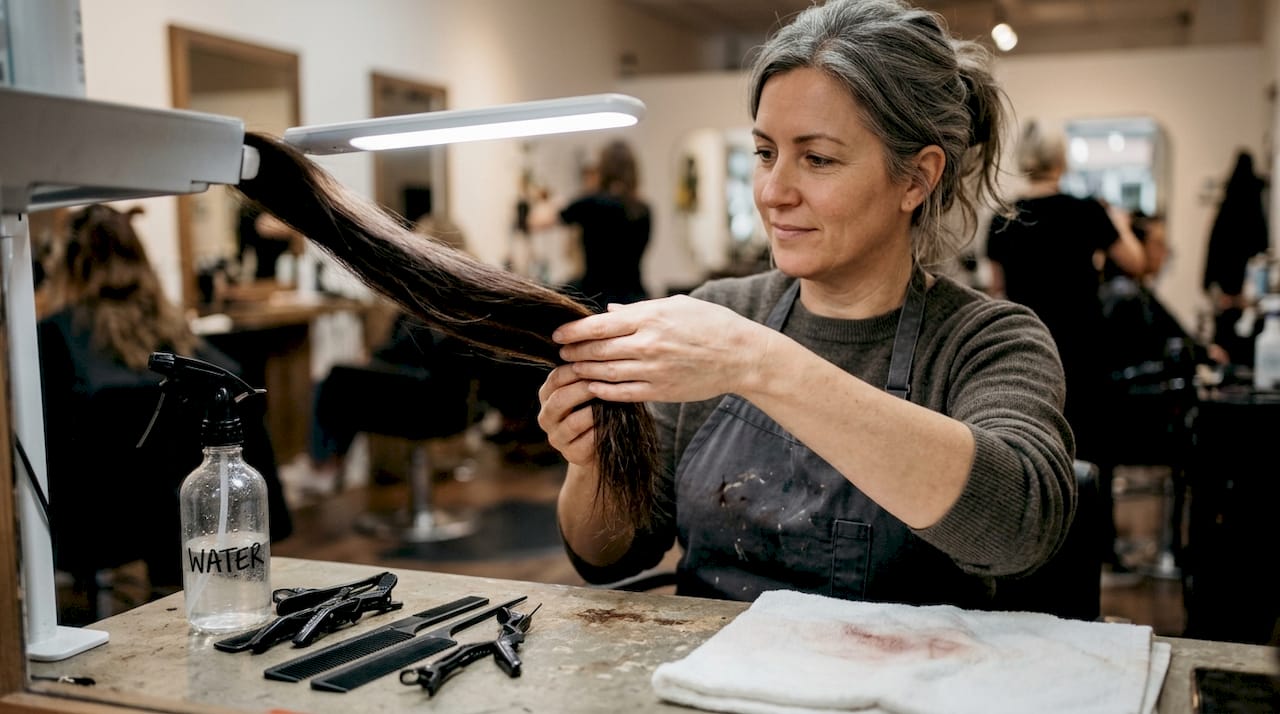
Processed non-remy hair, by contrast, has its cuticles stripped using acid baths, then coated with silicone to restore a temporary shine. That silicone washes away after a few shampoos, and what remains is rough, porous hair that tangles easily and loses its lustre fast. The raw vs processed hair comparison makes this difference strikingly clear.
| Criteria | Traceable raw hair | Processed non-remy hair |
|---|---|---|
| Appearance | Natural shine, consistent texture | Shiny at first, dulls quickly |
| Longevity | 12 to 24 months with care | 3 to 6 months typically |
| Maintenance | Low, behaves like natural hair | High, tangles and sheds frequently |
| Cost over time | Higher upfront, lower long-term | Lower upfront, higher replacement cost |
The durability in extensions depends almost entirely on the sourcing and processing history of the hair. Cheap hair is rarely a bargain once you account for replacements and salon fixes.
Practical signs of poor sourcing to watch for:
- Excessive tangling after the first or second wash
- Loss of shine once silicone coating wears off
- Silicone residue that feels waxy or stiff when dry
- Uneven texture across the bundle or weft
- Shedding from the weft within the first few weeks
Pro Tip: Run a single strand between your fingers from tip to root, then root to tip. Quality raw hair feels smooth in both directions. Processed hair will feel rough going against the cuticle direction, a clear sign of stripped or misaligned cuticles.
Ethics behind the strands: Social and human issues in sourcing
Behind every bundle of hair extensions is a real person. That person may have donated their hair willingly at a temple, sold it for income, or in troubling cases, had it taken without their knowledge. The ethics of hair sourcing are not abstract. They affect real lives, and as a buyer, your choices send a signal to the supply chain.
Temple hair from India is widely regarded as one of the more ethical sources when it is properly traceable and when the proceeds are reinvested into the community. Donors at temples like Tirupati offer their hair as a religious act, and the temples auction the hair to fund charitable programmes. However, critics point out that even temple donors may not fully understand that their hair will be sold commercially, raising questions about informed consent.
“The ethics of human hair sourcing hinge on transparency and traceability. Without knowing who donated the hair, under what circumstances, and whether they were fairly treated, buyers are essentially purchasing a product with an unknown human cost.”
Here are steps you can take to verify ethical sourcing before purchasing:
- Ask the supplier for documentation of their sourcing process
- Look for brands that publish their supply chain information publicly
- Research whether the company has partnerships with verified ethical collectors
- Check for third-party certifications or audits related to fair trade or ethical labour
- Read reviews from other stylists or consumers who have investigated the brand’s practices
For stylists, making informed choices about suppliers is part of professional responsibility. Your clients trust you to bring quality and integrity to every service. Choosing suppliers who cannot explain their sourcing is a risk to that trust.
Understanding the difference between synthetic vs human extensions can also help you weigh the ethical trade-offs based on your clients’ needs and values.
How to spot and choose proper hair: A practical guide
Knowing what to look for transforms you from a passive buyer into an informed one. Whether you are a salon owner ordering in bulk or a consumer buying your first set of extensions, these practical tools will help you make the right call.
| Checklist item | What to look for |
|---|---|
| Traceability | Supplier can name origin region and collection method |
| Texture and feel | Smooth, consistent, no waxy coating |
| Certifications | Fair trade, ethical sourcing, or third-party audits |
| Price point | Realistic for genuine raw or virgin hair |
| Supplier transparency | Published sourcing policies, responsive to questions |
| Cuticle alignment | Remy or raw hair with aligned cuticles |
The benefits of raw hair become obvious once you know what to compare against. Raw hair from a verified source simply behaves better, styles easier, and lasts longer.
Steps to verify a brand’s sourcing claims:
- Visit the brand’s website and look for a dedicated sourcing or ethics page
- Search for independent reviews or investigative coverage of the brand
- Contact customer service and ask specific questions about donor consent and supply chain
- Request a sample before committing to a large order
- Compare the raw hair advantages listed by the brand against what you physically receive
For salon owners specifically, vetting your suppliers is a business decision as much as an ethical one. Clients notice when hair quality is inconsistent, and one bad experience can cost you a loyal customer.
It is worth noting that some advocates suggest synthetic hair to eliminate human exploitation entirely, while others rely on transparency in human hair sourcing. The natural vs synthetic hair debate ultimately comes down to your priorities. For clients who want styling flexibility and a truly natural look, verified human hair remains the gold standard. The key is choosing a supplier who can back up their claims.
Understanding the premium extension benefits helps frame the investment correctly. You are not just buying hair. You are buying confidence in the supply chain behind it.
Why shortcuts in hair sourcing never pay off
We have seen it play out in salons repeatedly. A stylist sources cheaper hair to keep costs down, the client loves it for three weeks, then comes back frustrated with tangling and shedding. The fix takes more time, more product, and often a full replacement. What looked like a saving became a loss, in money, time, and the client’s trust.
For consumers, the story is similar. Budget hair that looks great in the package often disappoints by the second wash. The silicone wears off, the cuticles tangle, and the shine disappears. You end up spending more replacing it than you would have spent buying quality the first time.
The extension longevity advice from experienced stylists is consistent: invest in properly sourced hair once, and it will outlast three rounds of cheap alternatives. The upfront cost feels higher, but the value per wear is dramatically better. Shortcuts in sourcing are not just an ethical problem. They are a practical one that catches up with you quickly.
Experience the difference with ethically sourced hair
At Gaurash Hair, proper sourcing is not a selling point. It is the foundation everything is built on. Every product in our collection is traceable, unprocessed, and collected with donor consent, so you know exactly what you are getting and where it came from.
Whether you are looking for the silky movement of our Virgin Indian Straight extensions, the natural texture of our Virgin Wavy Human Hair, or a full transformation with our human hair wigs, every option reflects our commitment to quality and ethics. Explore the full collection and see what genuinely sourced hair feels like from the very first wear.
Frequently asked questions
How can I tell if hair extensions are ethically sourced?
Check for supplier transparency, donor consent documentation, and official certifications. Avoid brands that make generic claims or offer prices that seem unrealistically low, as unethical sourcing often involves exploitation and harsh chemical processing that degrades quality.
Does synthetic hair solve ethical issues with human hair sourcing?
Synthetic hair can avoid human exploitation, but it rarely matches the natural look and styling versatility of human hair. Some advocates suggest synthetics entirely, but weigh your client’s needs and your own priorities before deciding.
Are more expensive hair extensions always better sourced?
Not necessarily. Price can be a signal of quality, but it is not a guarantee. Always verify sourcing and transparency directly with the supplier rather than relying on price alone.
What is temple hair, and is it always ethical?
Temple hair comes from religious donations, most commonly in India, and is considered more ethical when proceeds support the community. However, even temple hair can involve limited donor awareness, so traceability still matters.
Recommended
- Ethical hair sourcing: Make informed beauty choices in 2026 – Gaurash Beauty Supply
- Raw Human Hair Explained: Authentic Beauty Benefits – Gaurash Beauty Supply
- Indian Raw Hair Manufacturer: Quality, Sourcing, Impact – Gaurash Beauty Supply
- Why invest in premium hair extensions? Real benefits – Gaurash Beauty Supply